
Turkish Journey
This podcast series features audio versions of videos from the Turkish Journey YouTube channel, focusing on Turkish grammar and daily usage with a multilingual twist. It aims to uncover the essence of Turkish beyond textbooks, showcasing its vibrant use in everyday life. The podcast is hosted by Sercan and is designed for learners of Turkish.
Bölümler
Turkish Adjectives with Opposites | Part 2
Learn Turkish adjectives together with their opposites and expand your everyday vocabulary naturally.This lesson is designed for English speakers learning Turkish, focusing on useful adjective pairs and real-life sentence usage.You’ll learn how adjectives are used in natural Turkish sentences, helping you remember vocabulary faster by learning opposites as connected pairs.
Demek vs Söylemek in Turkish | Reported Speech Practice (Part 4)
Practice the difference between demek and söylemek in Turkish through guided reported speech examples. This lesson is designed for English speakers learning Turkish, focusing on sentence formation, applying previous grammar naturally. You’ll have 5 seconds to form each sentence, helping you actively practice reported speech structures learned in Parts 1–3.
Söylemek “to say / to tell” | Reported Speech in Turkish | Part 3
Learn the difference between demek and söylemek in Turkish when forming reported speech, especially in sentences where someone says something to someone else. You’ll also learn how Turkish reports nominal sentences and how the verb "olmak" is necessary to make the connection while using the verb "söylemek". This lesson is designed for English speakers learning Turkish, focusing on sentence structu
Söylemek “to say / to tell” | Reported Speech in Turkish | Part 2
Learn the difference between demek and söylemek in Turkish when forming reported speech, especially in sentences where someone says something to someone else.You’ll also learn how Turkish reports imperative sentences and how söylemek changes the sentence structure.This lesson is designed for English speakers learning Turkish, focusing on sentence structure, verb choice and natural reported speech
Söylemek “to say / to tell” | Reported Speech in Turkish | Part 1
Have you ever wondered what the real difference is between “demek” and “söylemek” in Turkish? In this video you’ll learn how to use it correctly in reported speech.
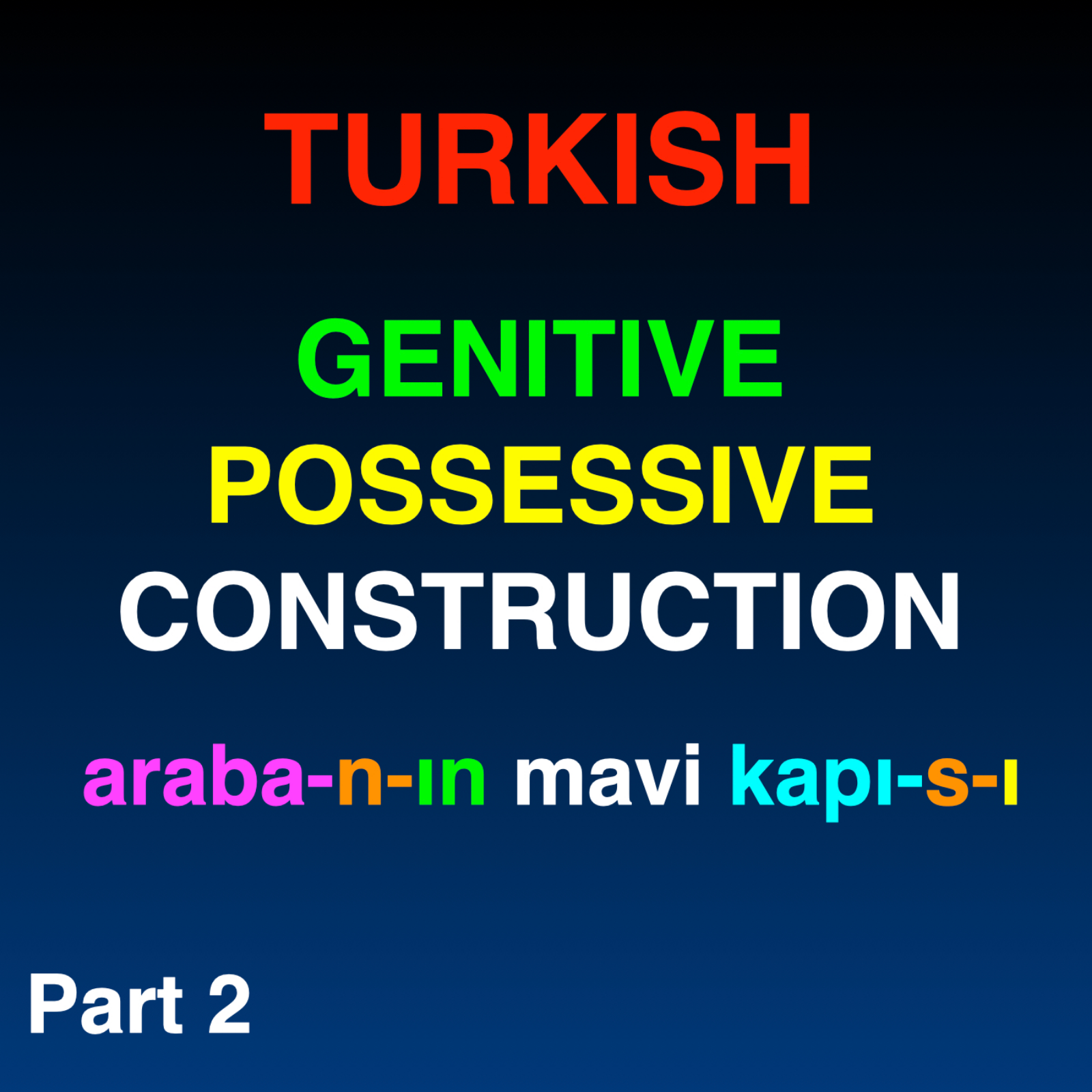
Genitive-Possessive Constructions with Examples | Belirtili İsim Tamlaması - Part 2
In Part 2 of Turkish Grammar: Genitive–Possessive Construction (Belirtili İsim Tamlaması), you’ll move from basics to confident, natural use. I clarify how tamlayan/tamlanan work together, where adjectives belong in the structure, and how to keep agreement and suffixing correct under vowel harmony, buffer letters, and consonant mutation. You’ll learn a simple pattern you can reuse, quick diagnosti
Turkish Verb Voices | Passive, Reflexive, Causative
Want to master Turkish verb forms like passive, reflexive, and causative? In this clear and practical lesson, you’ll explore 7 key Turkish verb voices (Fiil Çatısı) with real examples — no complex grammar terms!
21 Words for Emotions
Welcome to your Turkish journey! In this podcast, you’ll learn 21 essential Turkish words to describe emotions and feelings—each one explained with simple example sentences in both Turkish and English. From mutlu (happy) to çaresiz (helpless), you’ll see how these words are used in everyday situations.
Genitive-Possessive Constructions with Examples | Belirtili İsim Tamlaması
Learn how to express possession in Turkish with genitive–possessive constructions (Belirtili İsim Tamlaması)! In this podcast, we’ll break down suffixes, vowel harmony, buffer letters, and more—with lots of clear examples. You’ll learn how to say things like “the car’s door” or “my goal” the natural Turkish way. Perfect for beginners aiming to master essential grammar.

The verb “sevinmek” in Turkish
In this podcast, we’ll take a deep dive into the Turkish verb “sevinmek” and explore how to use it correctly in different contexts. “Sevinmek” means “to be happy” or “to be glad” — a useful verb for expressing positive feelings in Turkish!
Verb Negation in Turkish Language | How to Conjugate Negative Verbs in Turkish
Learning how to negate verbs in Turkish is essential for building sentences and expressing yourself accurately. In this lesson, I’ll cover how to conjugate Turkish verbs in negative forms step-by-step. Whether you’re a beginner or looking to improve your grammar, this video will give you a solid foundation in Turkish verb negation.
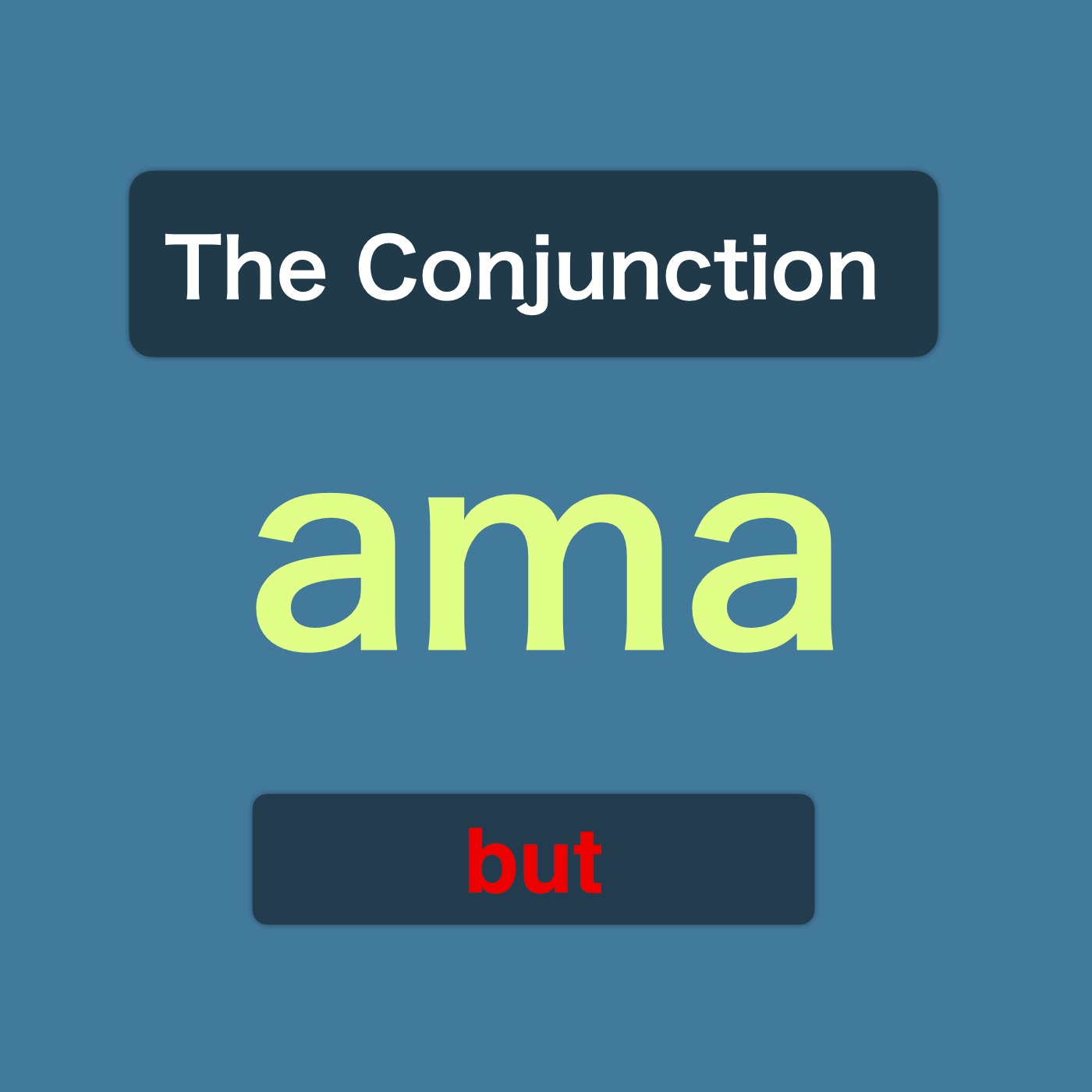
The Conjunction “ama”
Welcome to our Turkish language lesson! In this podcast, we’ll explore the conjunction “ama” in Turkish, which means “but” in English. Whether you're a beginner or looking to refine your Turkish grammar skills, this lesson will help you understand how to use “ama” correctly in sentences.
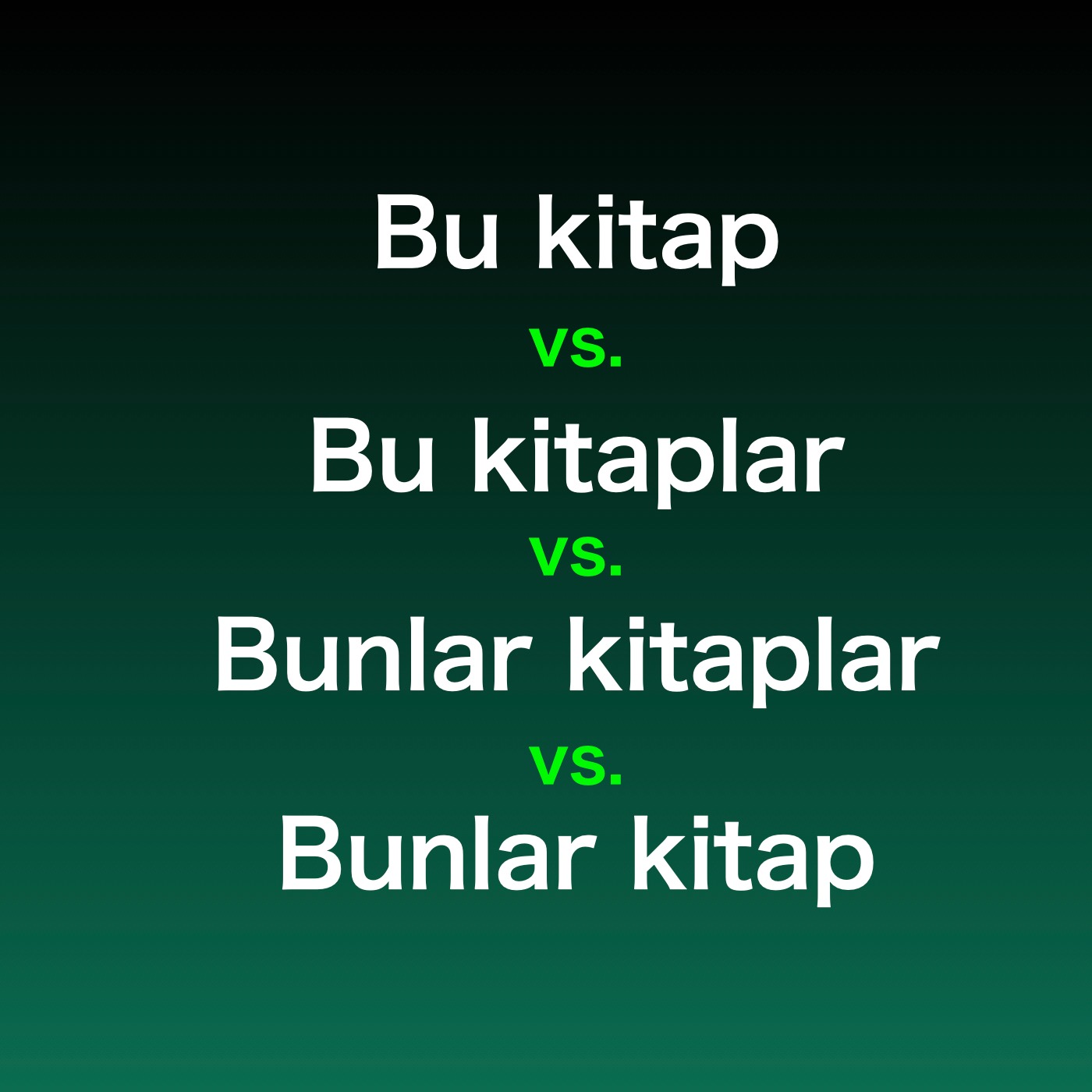
Bunlar kitap vs. Bu kitap vs. Bu kitaplar vs. Bunlar kitaplar
In this podcast, we break down the differences between these important Turkish structures: Bu kitapBu kitaplarBunlar kitapBunlar kitaplar
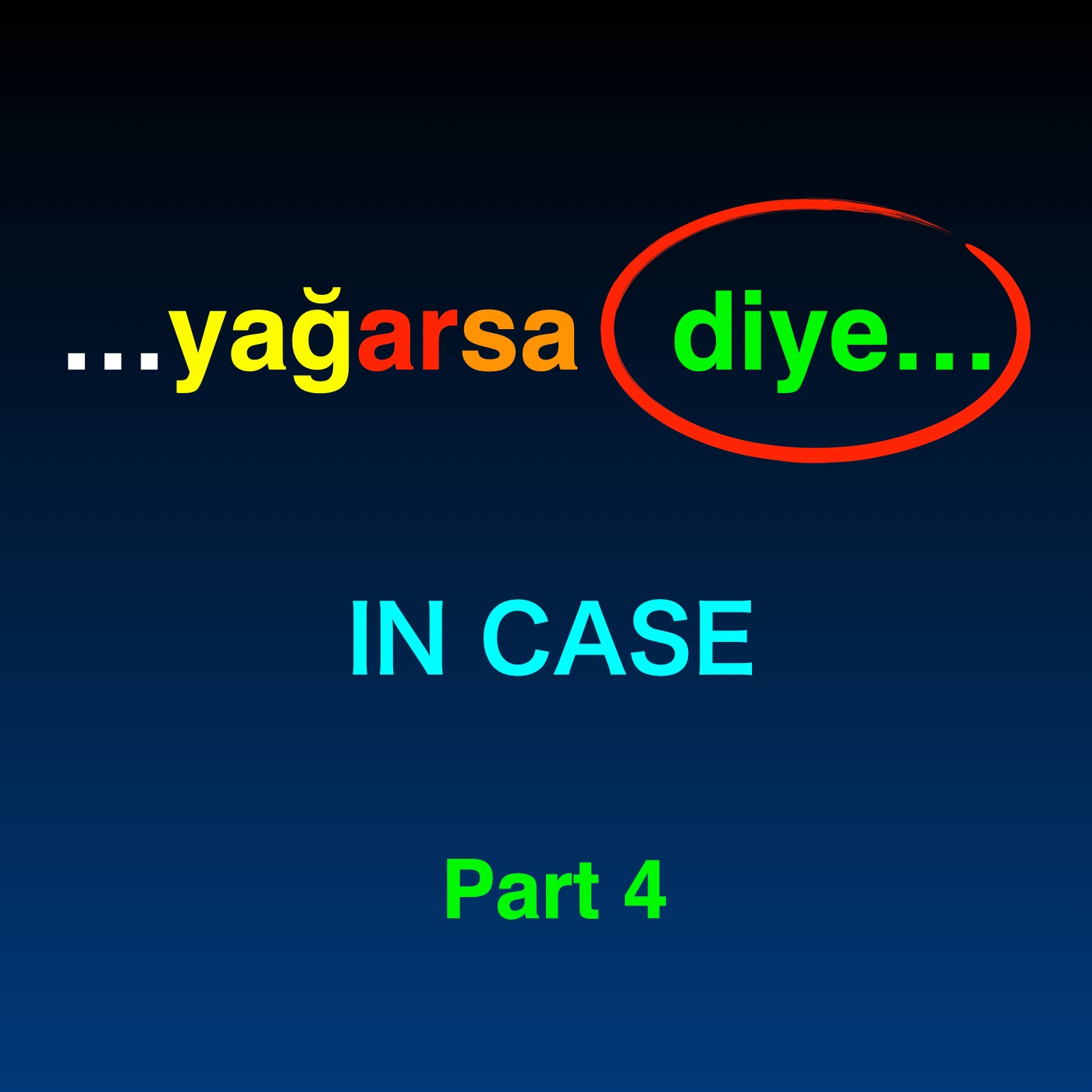
"diye" in Turkish | Precaution and Adjectival | Part 4
Dive into Part 4 of our Turkish Grammar: “diye”series, where we continue to explore the subordinator “diye” in Turkish! In this lesson, you’ll learn how to use “diye” to express precautionary meanings like “in case”. This is an essential video for anyone looking to deepen their understanding of Turkish grammar and sentence structures.
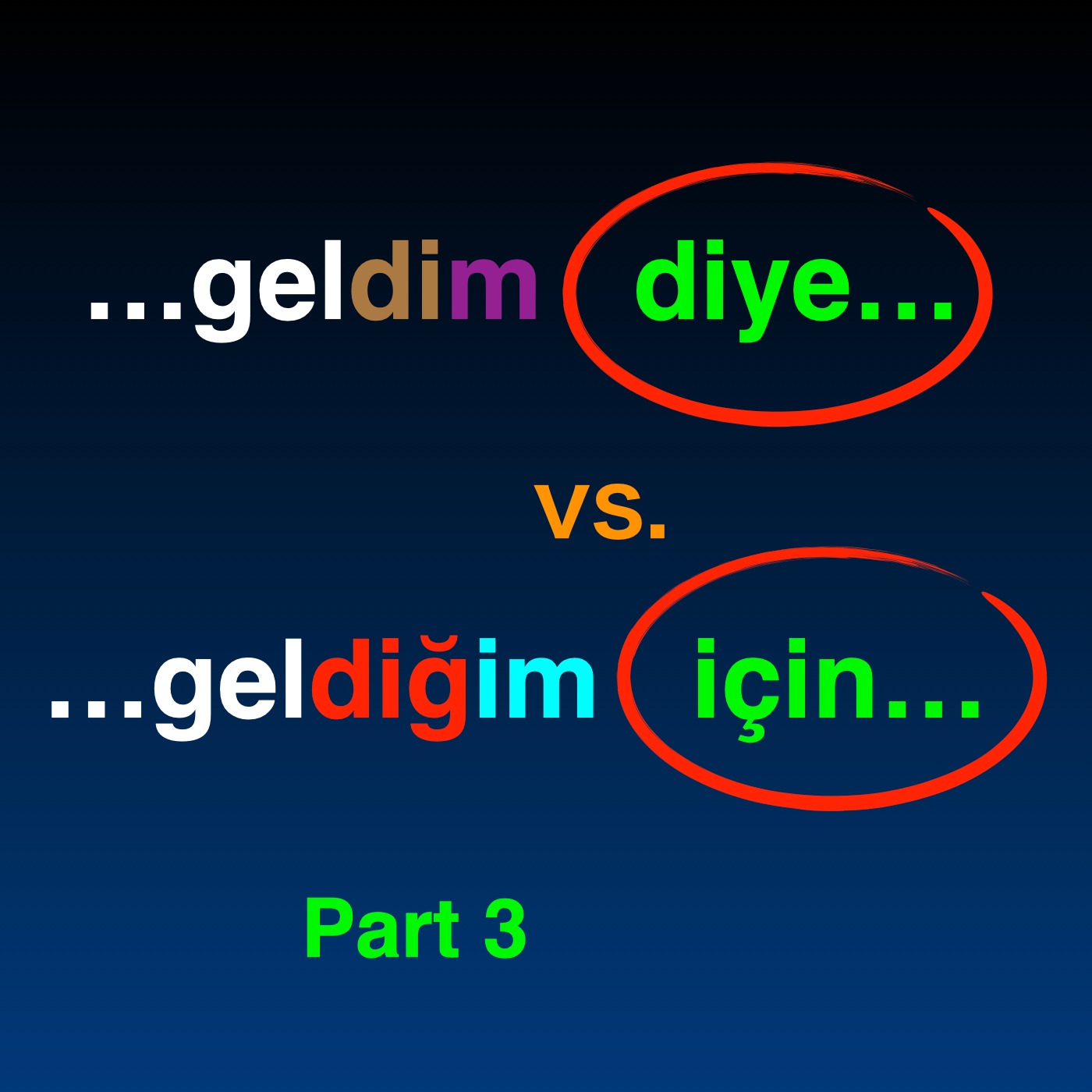
"diye" in Turkish | Reason & Result | Part 3
What you’ll learn in this podcast: ✅ How to use “diye” with result sentences ✅ How to use “diye” with purpose sentences ✅ The difference between “diye” and “için” ✅ How to connect reason and result sentences using “diye” ✅ Essential tips for mastering Turkish grammar
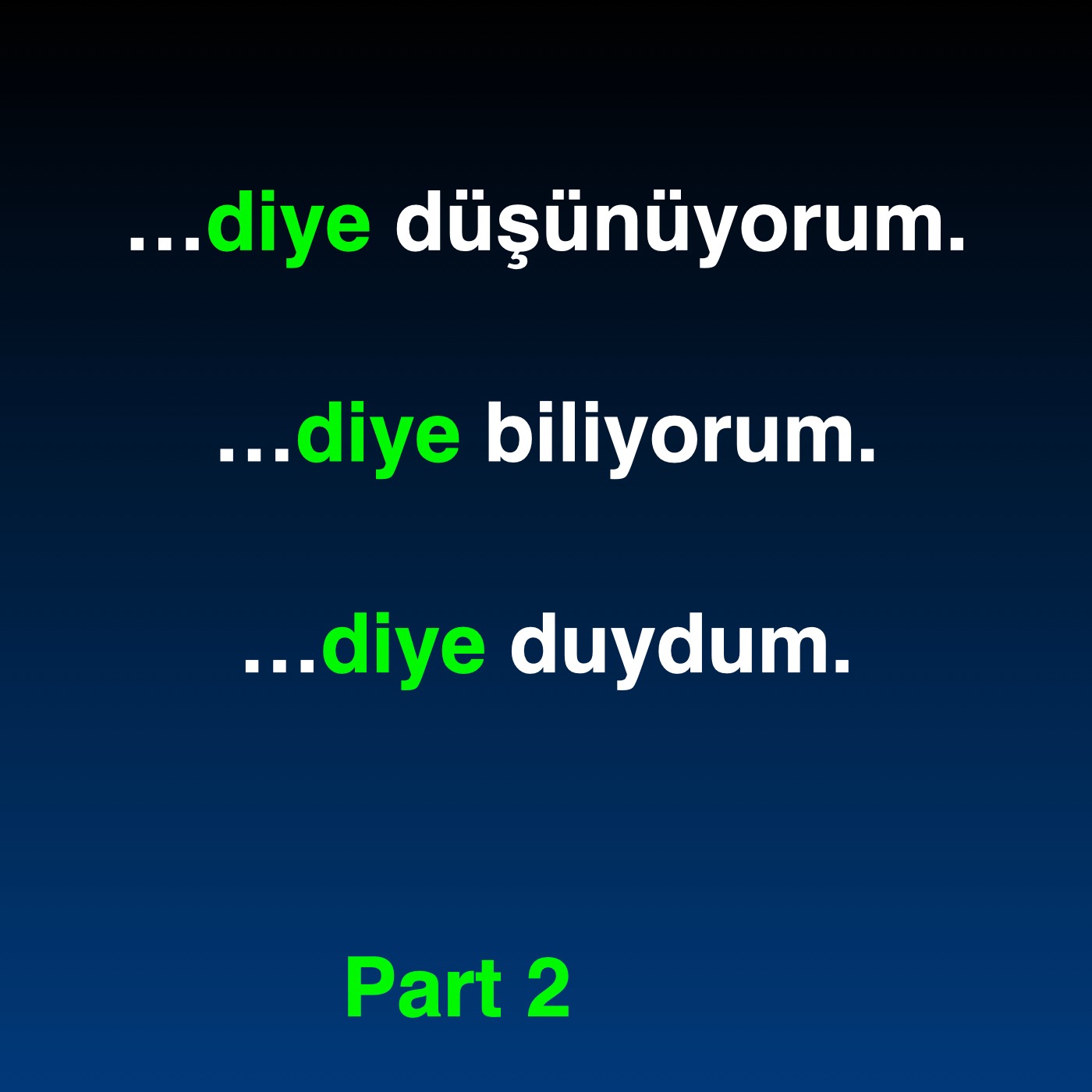
"diye" in Turkish | Part 2
In this podcast, you’ll learn: ✔️ How to use “diye” with verbs of perception like duymak 🗣️ ✔️ The role of “diye” with verbs of cognition like düşünmek and bilmek 🧐 ✔️ Tips to form complex Turkish sentences using “diye” 🌟 ✔️ Practice examples for confident communication 🚀
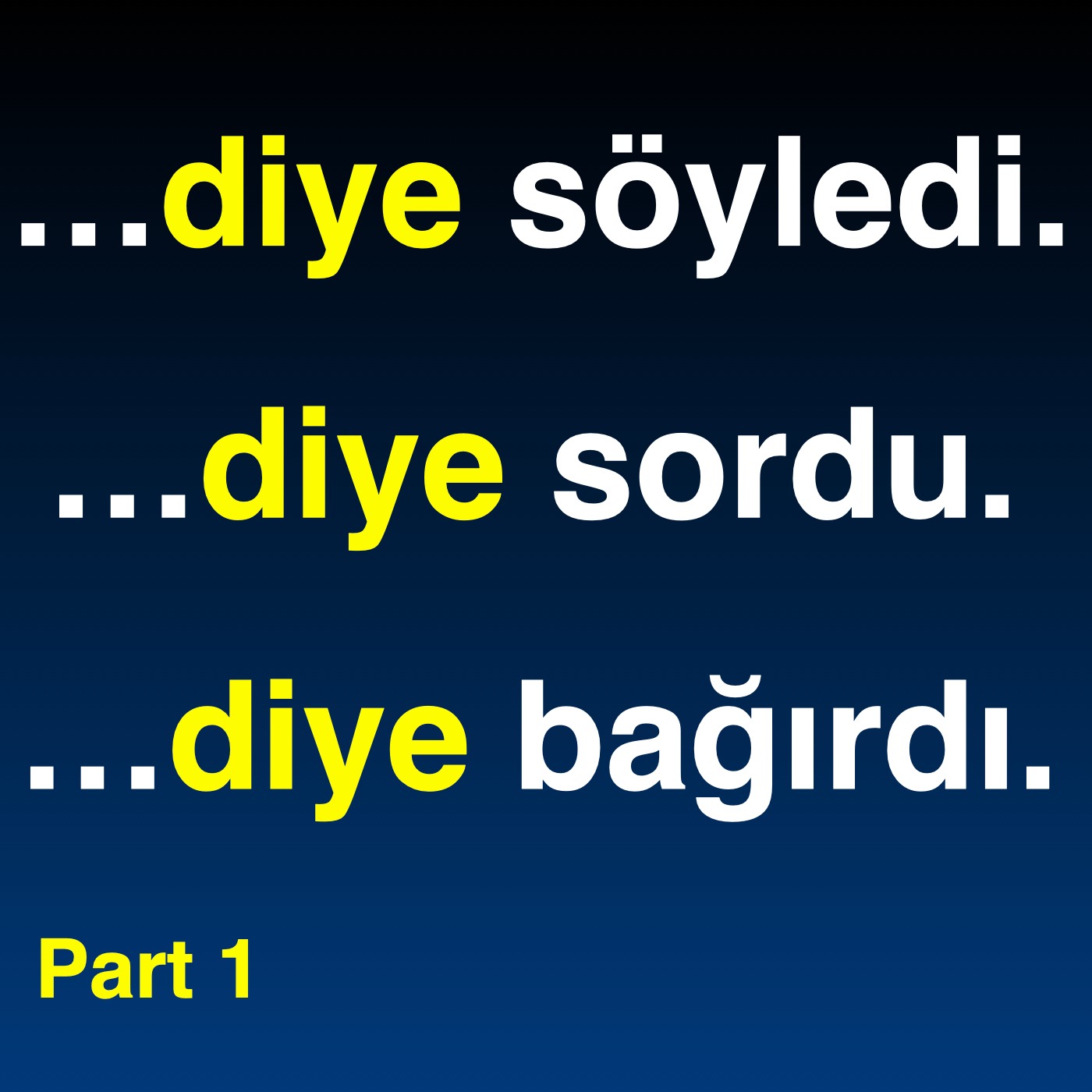
"diye" in Turkish | Part 1
In this Part 1 of our series, we’ll explore: ✔️ What “diye” means in Turkish grammar 🌟 ✔️ How to use “diye” in Turkish sentences 🔤 ✔️ Its connection with verbs of communication 🗨️ ✔️ Practical examples to help you learn faster 🚀
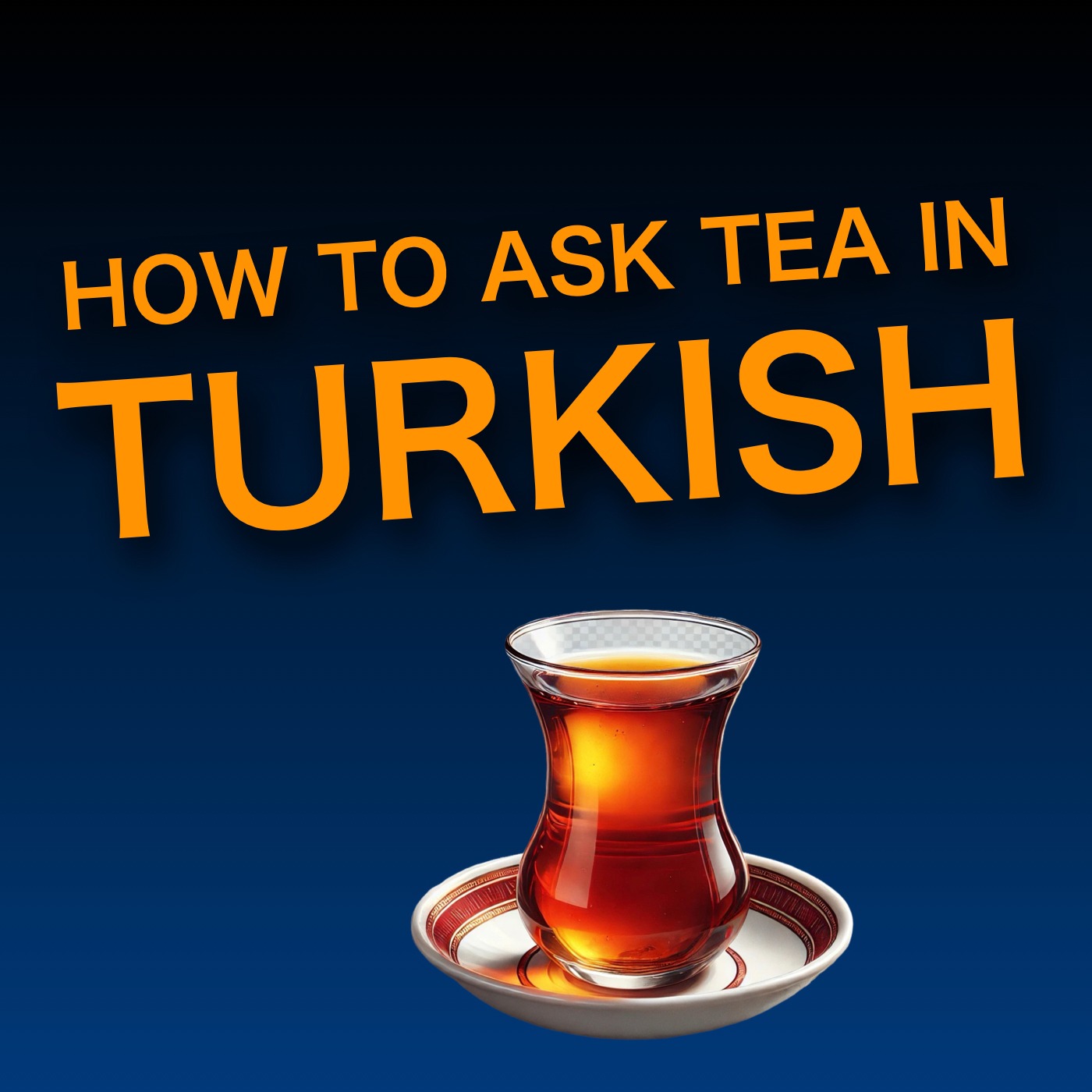
How to Ask for Tea in Turkish ☕ | Phrases for Restaurants & Social Settings
🫖 What You’ll Learn : ✔️ Key phrases for ordering tea in Turkish restaurants. ✔️ Useful vocabulary for Turkish cafés and social settings. ✔️ Insight into Turkish tea culture and its importance in daily life. ✔️ Beginner-friendly conversation tips for speaking Turkish with confidence.
The verb "demek" (to say) in Turkish
In this podcast, I dive deep into "demek," covering its essential conjugations in the present continuous and known past tenses. I’ll guide you through its structure, pronunciation, and practical usage, especially how it brings life to direct speech in Turkish.
Essential restaurant phrases in Turkish
✅ In this podcast, you’ll learn: • How to order food and drinks in Turkish 🥤 • Key Turkish vocabulary for restaurants 🍛 • Useful Turkish sentences for tourists 🚶♂️ • Polite expressions to enhance your dining experience 🥰
“için" & “üzere” in Turkish | Part 5
In this lesson, we explore two essential Turkish postpositions, “için” and “üzere”, commonly used for expressing purpose. I explain when to use "üzere" instead of "için" and highlight the key differences between them.
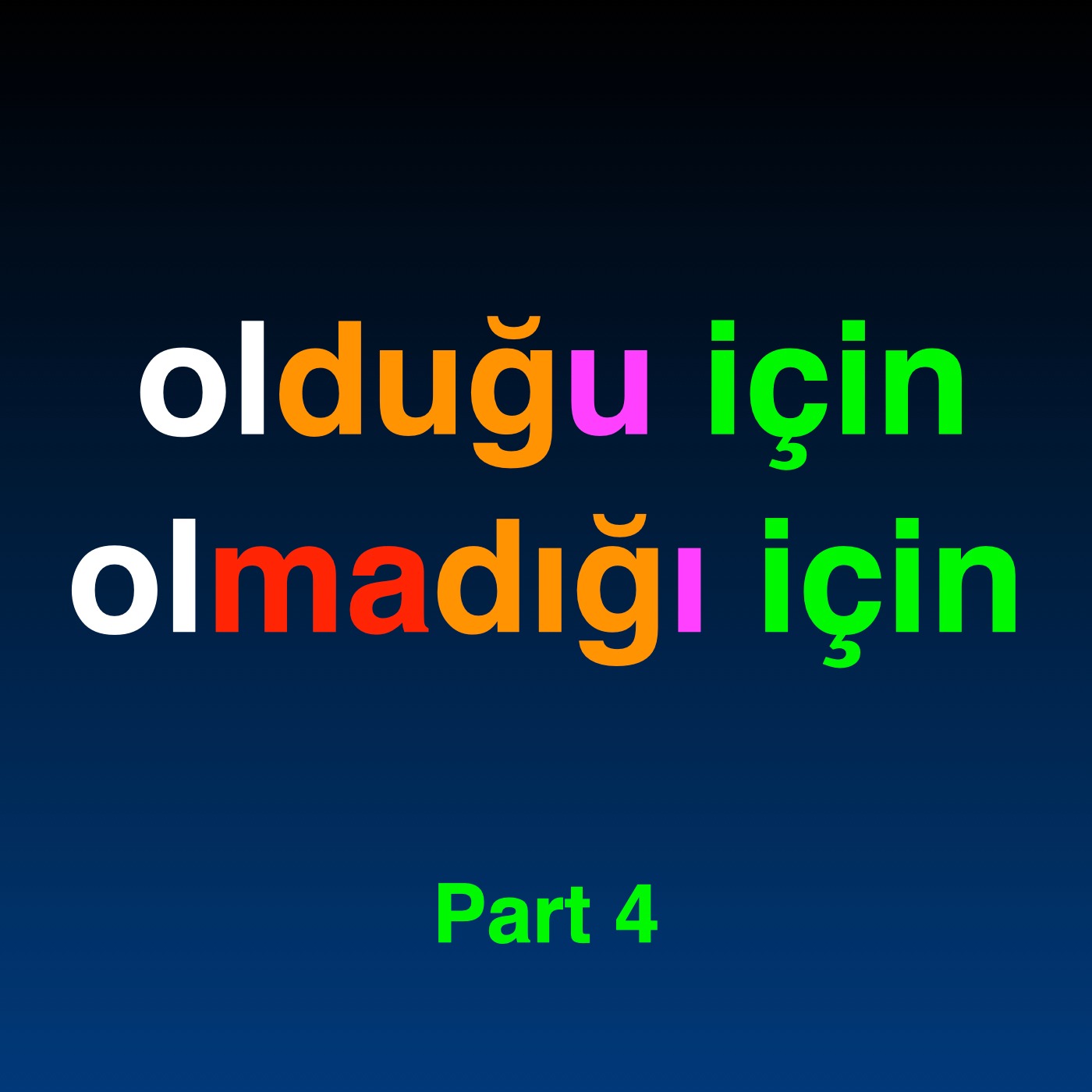
"için" in Turkish | Nominal Reason & Result | Part 4
In this podcast, we explore how to connect reason and result sentences in Turkish using the postposition “için”. This time, we focus on nominal sentences, demonstrating how the verb “olmak” is used to link the reason to the result.
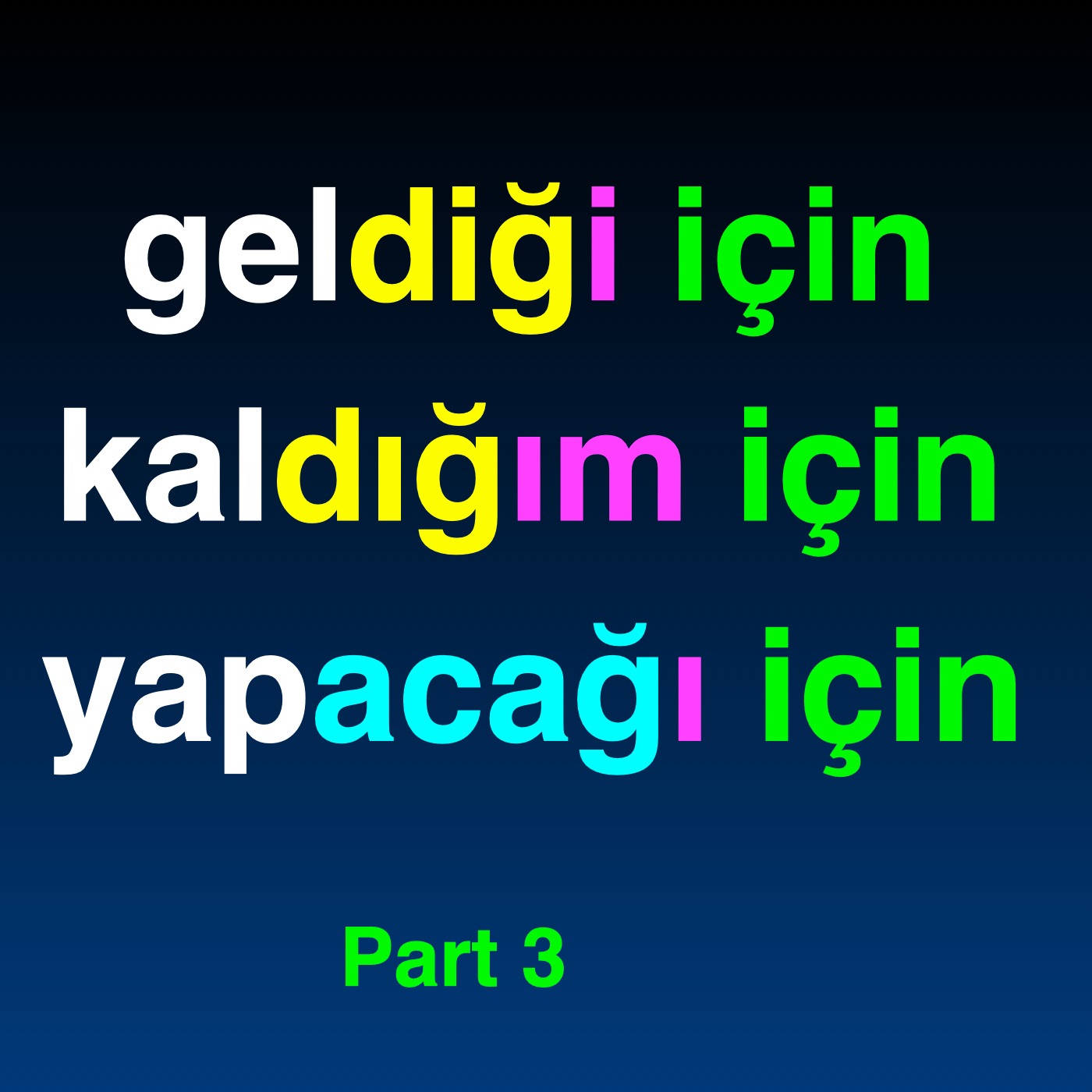
"için" in Turkish | Reason & Result | Part 3
Welcome to the third part of my deep dive into the Turkish postposition “için.” In this podcast, you’ll learn how to use “için” to form reason and result sentences, the correct grammar rules, and various examples of how it translates to “because” in English.
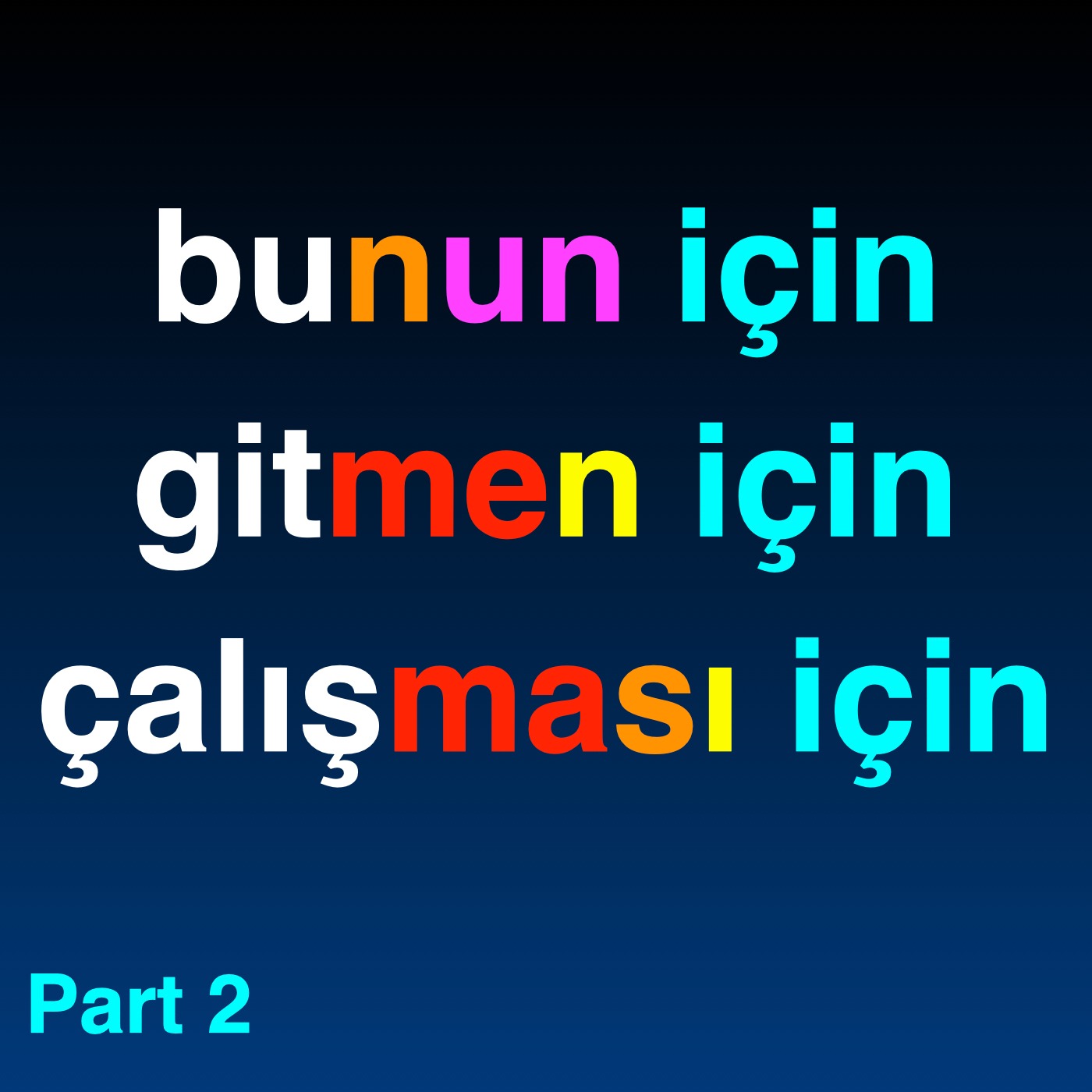
"için" in Turkish | Purpose & Result | Part 2
In this podcast, we continue exploring the essential Turkish postposition “için,” which is commonly used to express “for” in Turkish. This is part 2 of our series on how to use “için” effectively in Turkish grammar. Whether you’re learning Turkish to travel, work, or simply to understand Turkish culture better, this video will deepen your understanding of purpose and result sentences in the Turkis
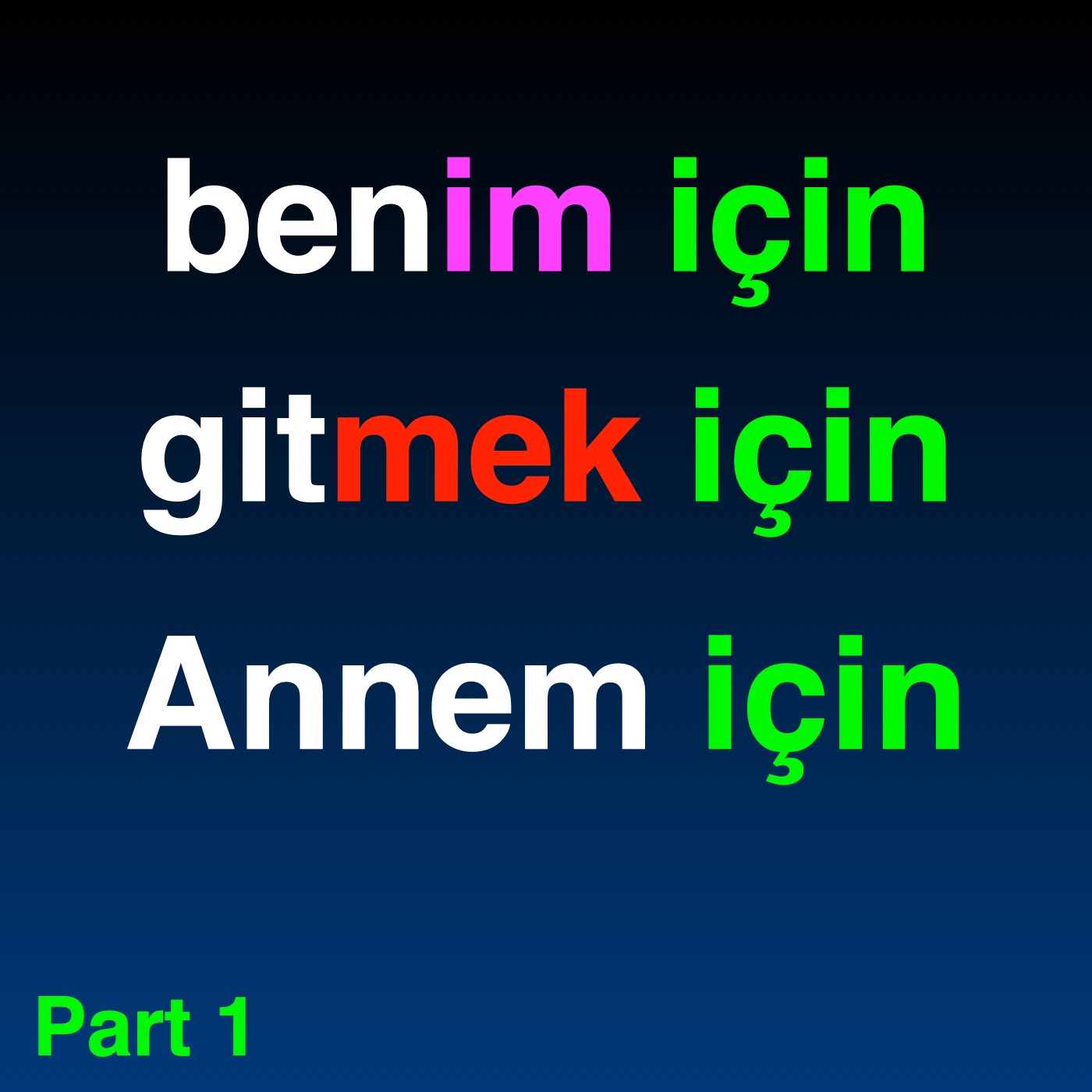
"için" in Turkish | Purpose & Result | Part 1
Join me as we dive into: What "için" means and how it's used in Turkish grammar. Practical examples of "için" in purpose and result sentences. Common expressions in Turkish featuring "için" to help you sound more natural. Tips for effective language learning and mastering Turkish.
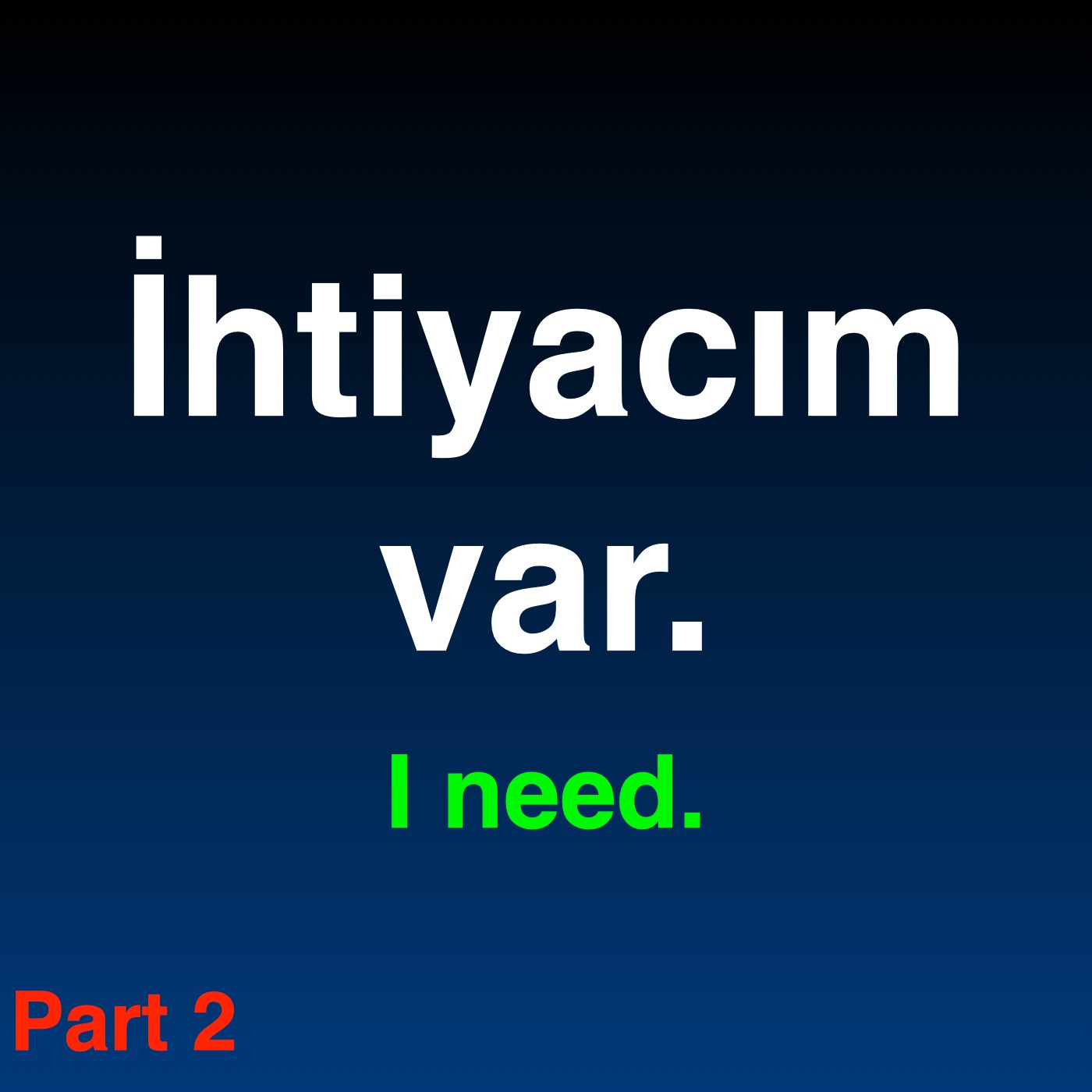
How to say “I need” in Turkish | Part 2
In this podcast, we’ll dive deeper into the essential phrase “I need” in Turkish and explore how to use it in different contexts. Whether you’re learning Turkish for travel, business, or personal enrichment, this lesson is perfect for building your language skills. We cover key phrases like “ihtiyaç” (need), basic Turkish grammar, and practical examples of how to say “I need to” in Turkish.
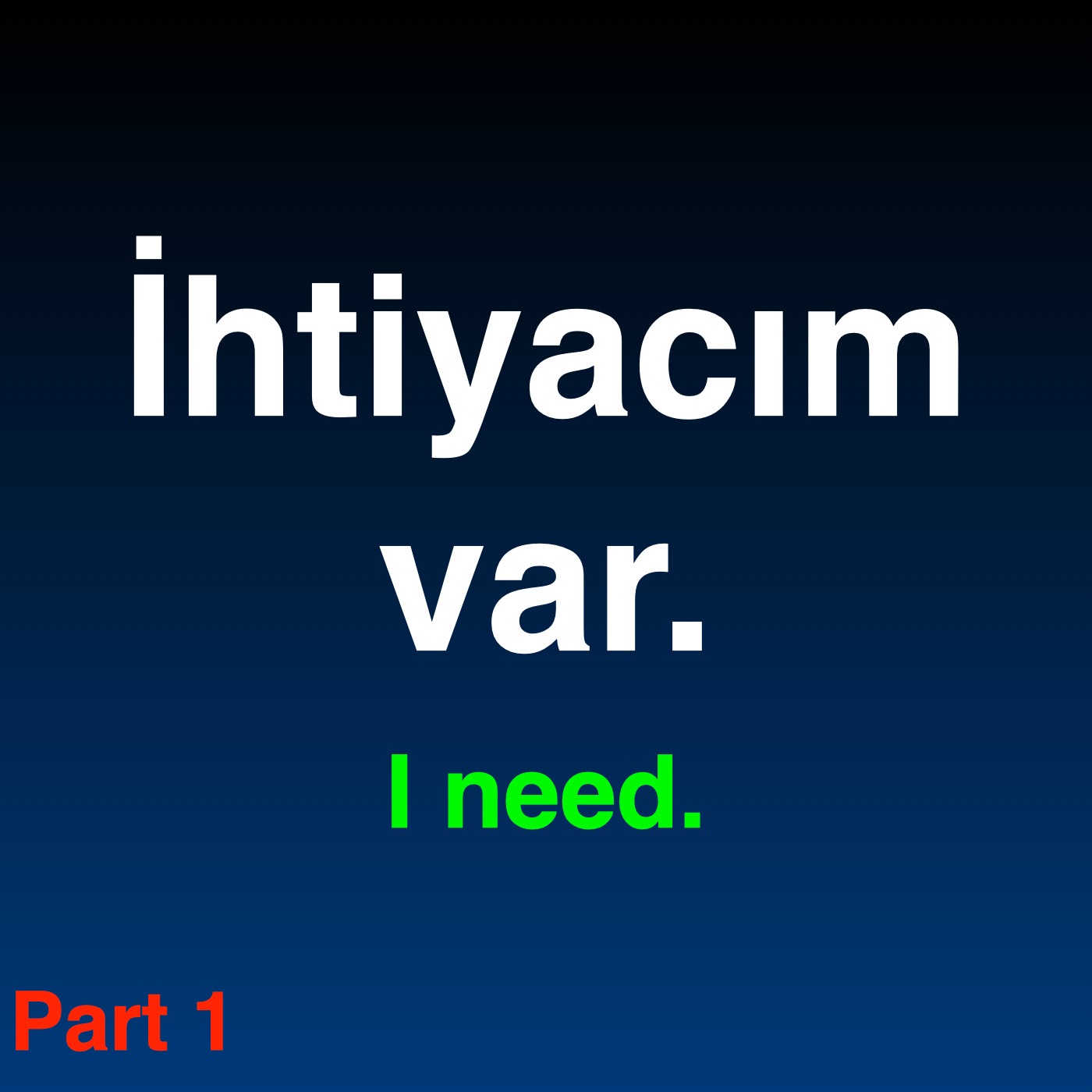
How to say “I need” in Turkish_Part 1
Are you planning a trip to Turkey or looking to expand your Turkish language skills? In this podcast, you’ll learn how to say “I need” in Turkish, an essential phrase that will help you navigate daily conversations with ease. Whether you’re a beginner or advancing in your Turkish studies, understanding how to express needs and desires is crucial. I’ll break down the grammar, pronunciation, and usa
"oluyor" in Turkish
Welcome to my latest padcast, where i dive deep into the Turkish verb “olmak” and its crucial present continuous form “oluyor.” Whether you’re planning a trip to Turkey or looking to enhance your Turkish language skills, this video is your ultimate guide!

How to say “I have a plan”, “I am planning to do” in Turkish
How to Say “I Have a Plan” and “I Am Planning to Do” in Turkish Are you learning Turkish and want to master essential phrases for planning? In this video, we dive into how to say “I have a plan” and “I am planning to do” in Turkish. Whether you’re planning a trip to Turkey, creating a Turkish study plan, or simply improving your Turkish language skills, this guide is perfect for you!
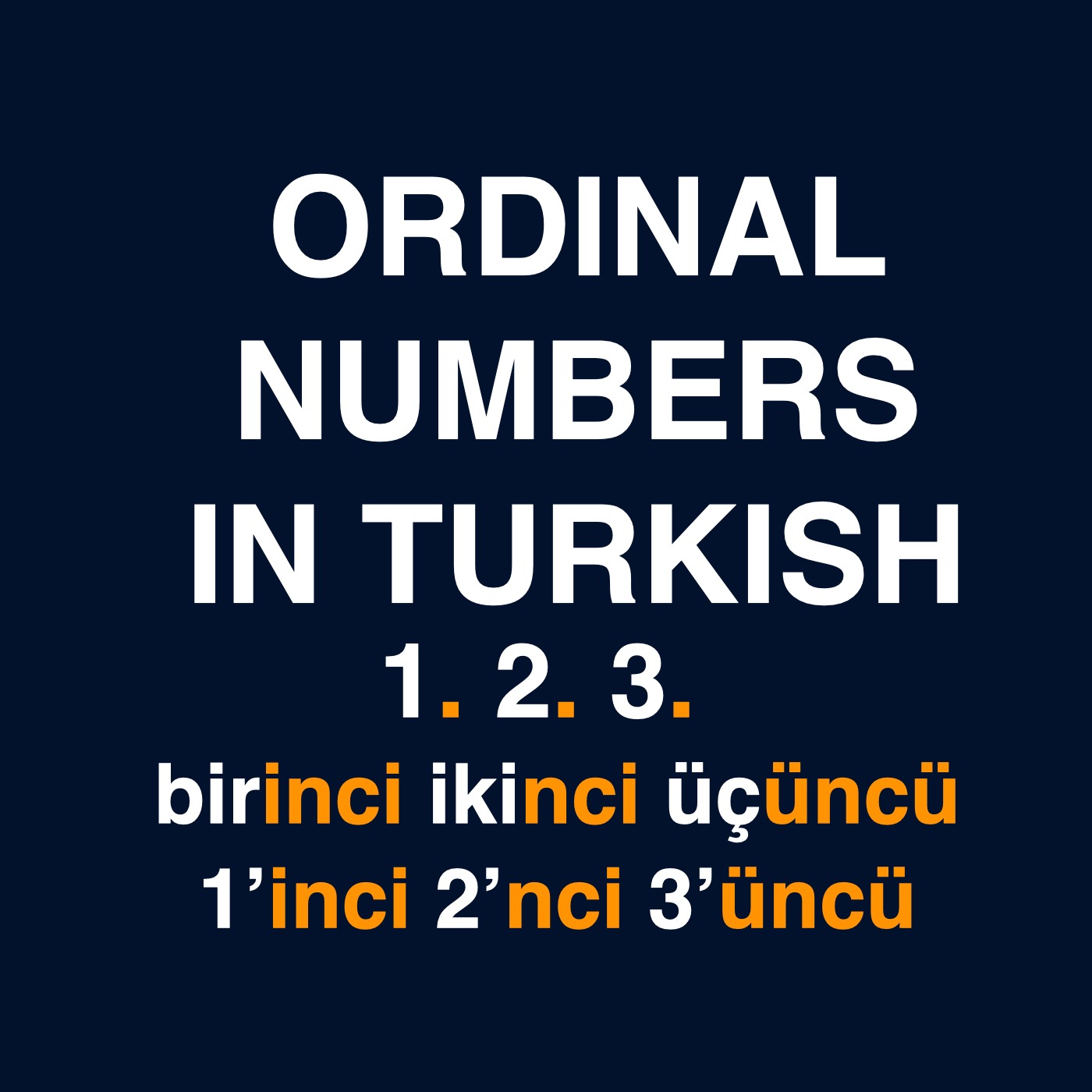
Ordinal Numbers in Turkish
What you’ll learn • The full list of ordinal numbers in Turkish (1st, 2nd, 3rd, etc.) • Pronunciation tips and tricks • How to use ordinal numbers in sentences • Common phrases and examples

The verb “yemek” and Turkish expressions
What you'll learn in this podcast: The verb "yemek" (to eat) in Turkish Common Turkish expressions with "yemek" Daily Turkish expressions to use in conversation Phrases like "laf yemek," "azar yemek," and "kafayı yemek" Practical examples and Turkish grammar tips How to integrate "yemek" into your daily Turkish
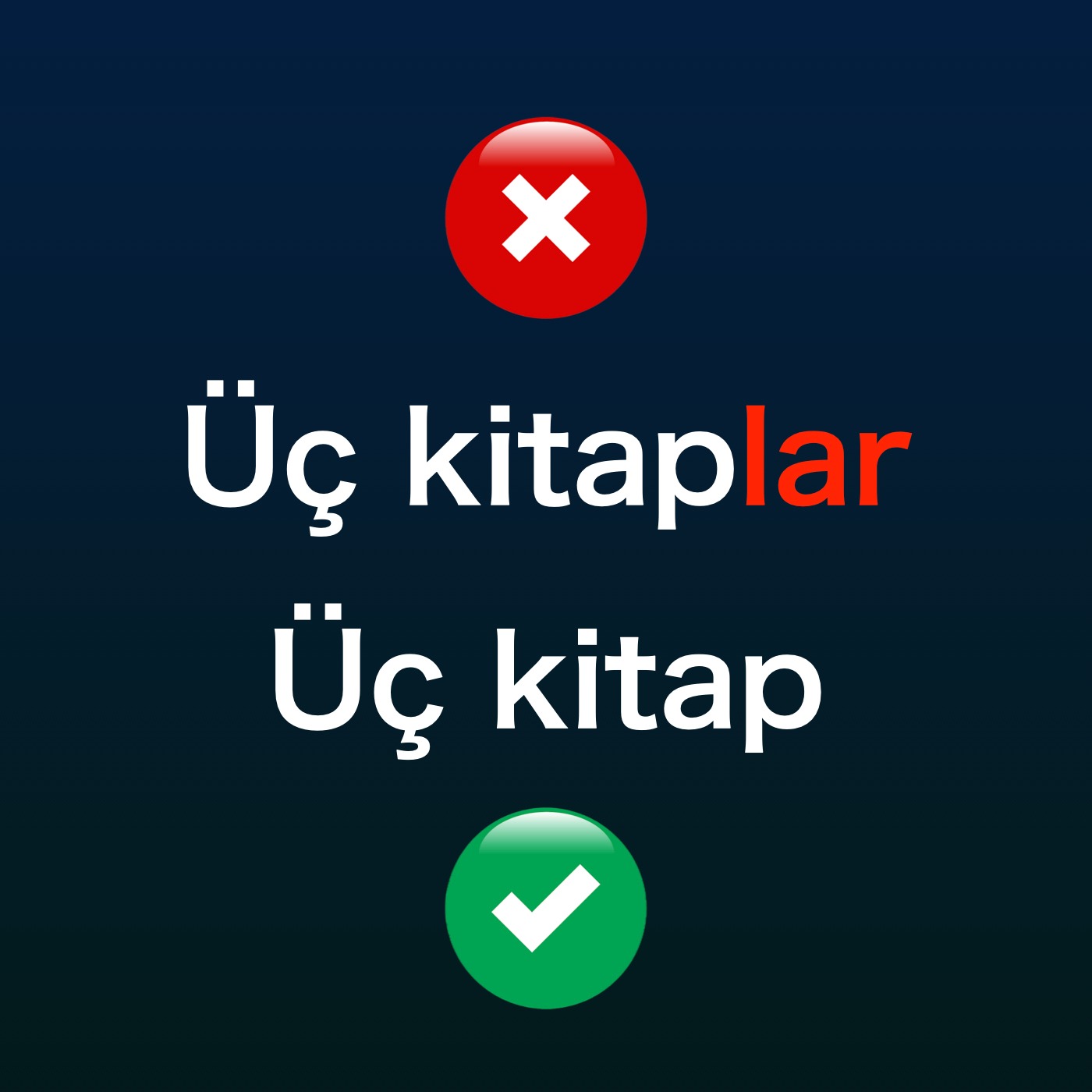
Numerals and Quantifiers with No Plural Suffix
What you’ll learn: • The correct use of numerals in Turkish grammar • Understanding quantifiers in Turkish without the plural suffix • Common mistakes to avoid with numerals and quantifier • Examples and practice exercises to reinforce your learning
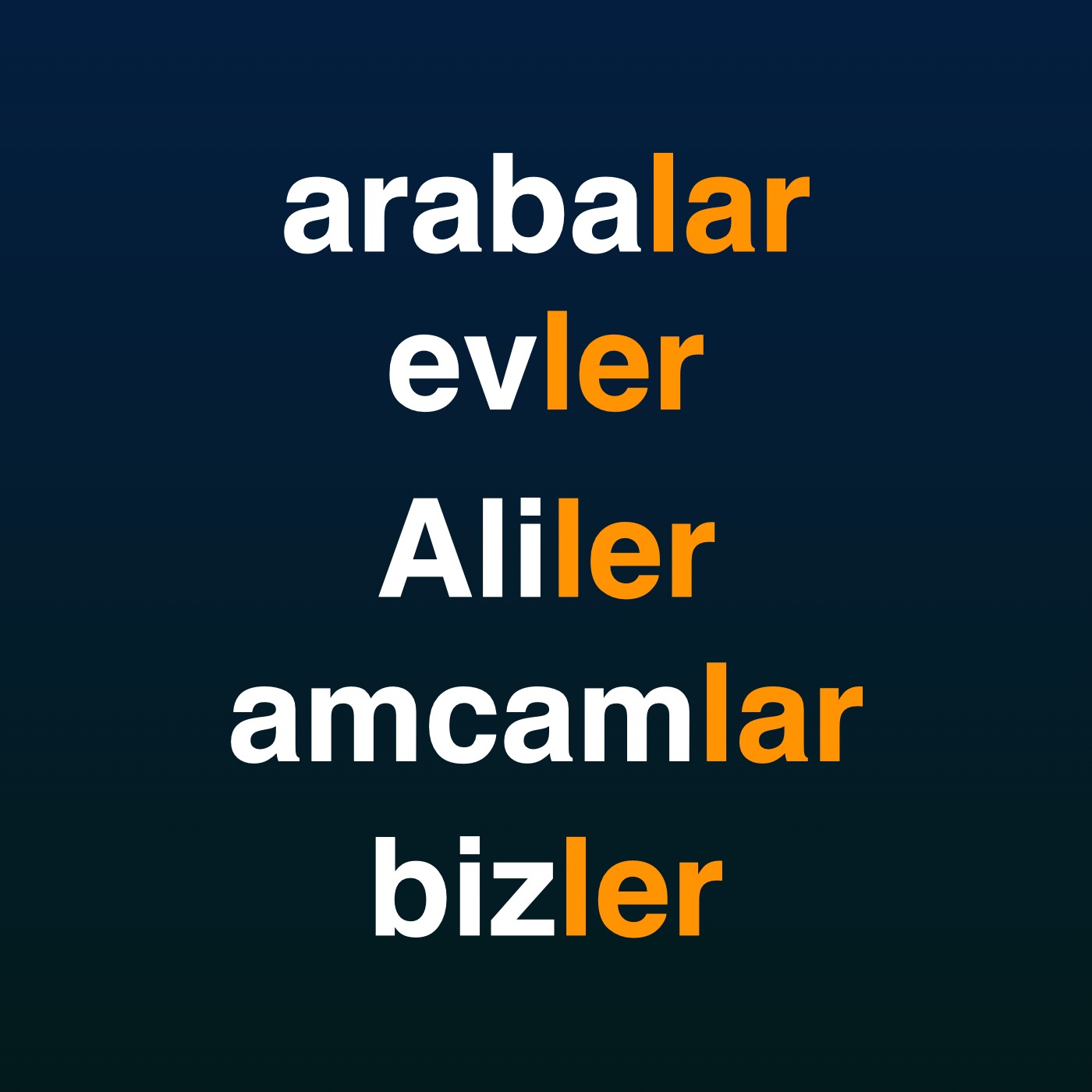
Plural Suffix in Turkish - Part 1
Welcome to my Turkish language learning series! In this podcast, we delve into the fundamental aspects of Turkish grammar, specifically focusing on how to form plural nouns.

“Hiç” in Turkish language
Welcome to my educational journey into the multifaceted word “Hiç” in the Turkish language. Whether you’re navigating its meanings of “never,” “at all,” “ever,” or “any,” this video will illuminate its usage through practical examples and insightful explanations.
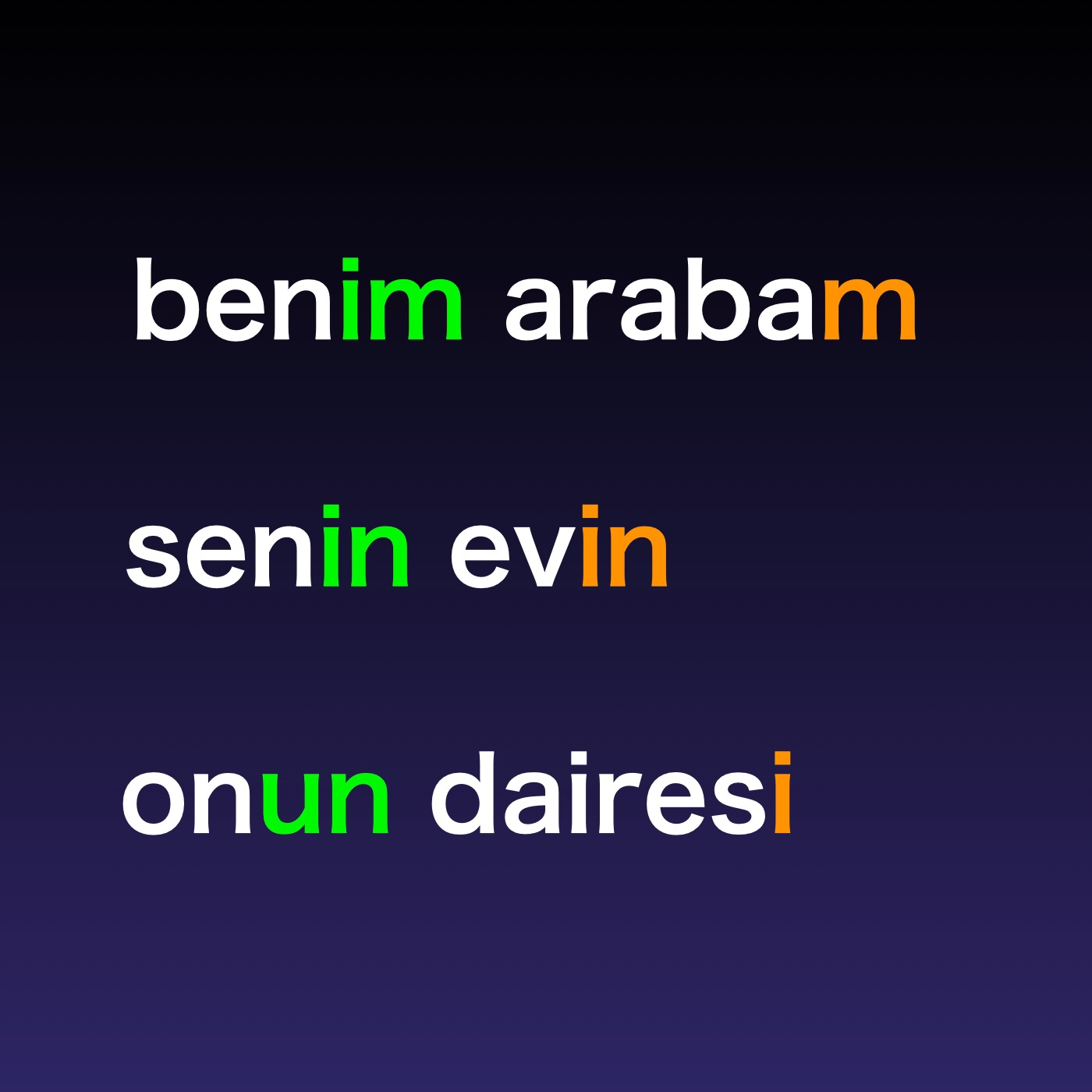
"My your his/her our your their" and Possessive Suffixes in Turkish
In this video, titled "My your his/her our your their and Possessive Suffixes in Turkish," I delve deep into the essential aspects of Turkish grammar that every learner needs to master.
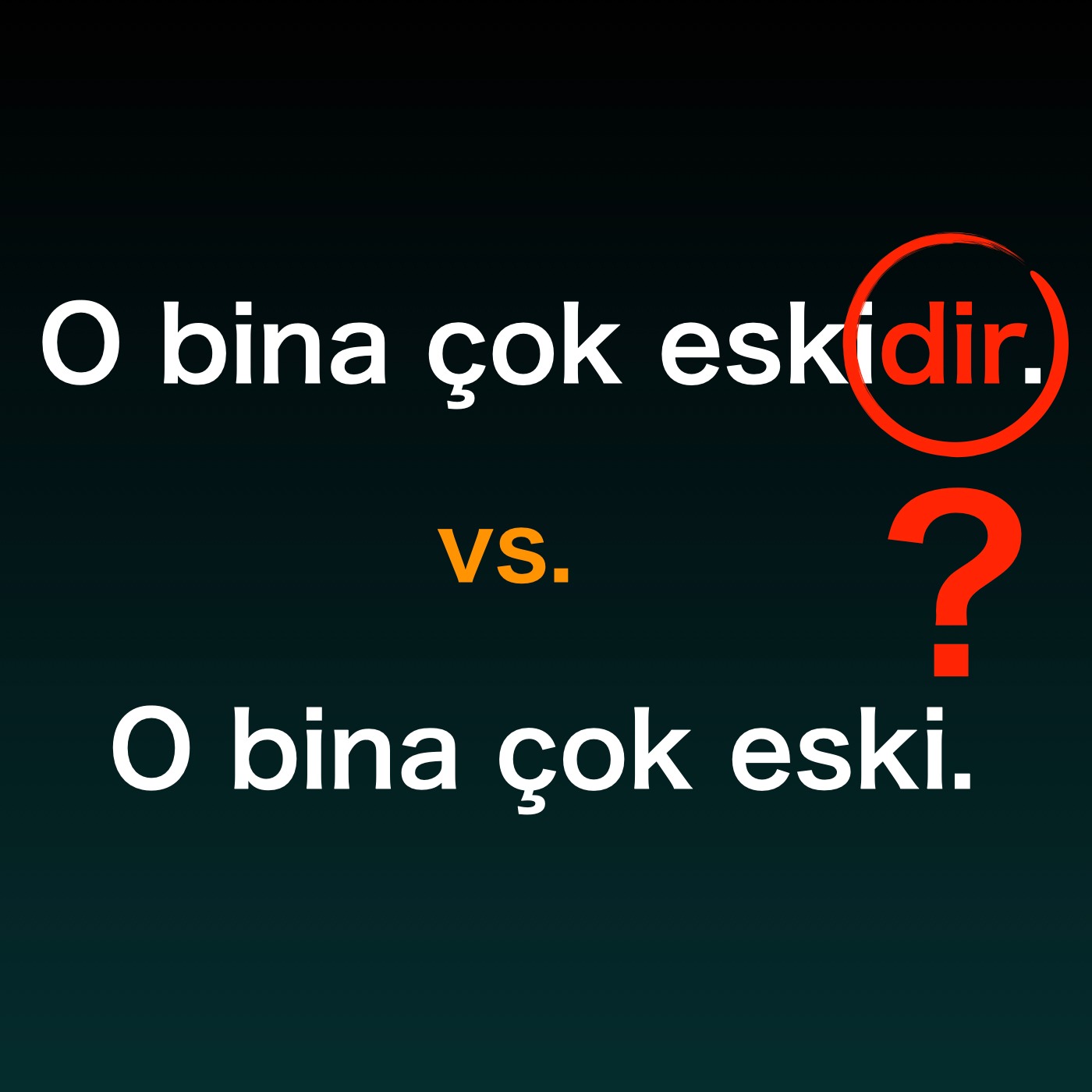
Generalization and Assumption (-dır suffix)
Welcome to my guide on the -dır suffix in Turkish, where I delve into the intricacies of generalization and assumption in Turkish grammar. Whether you're a beginner or an advanced learner, this video will enhance your understanding of how and when to add the -dır suffix to a sentence.
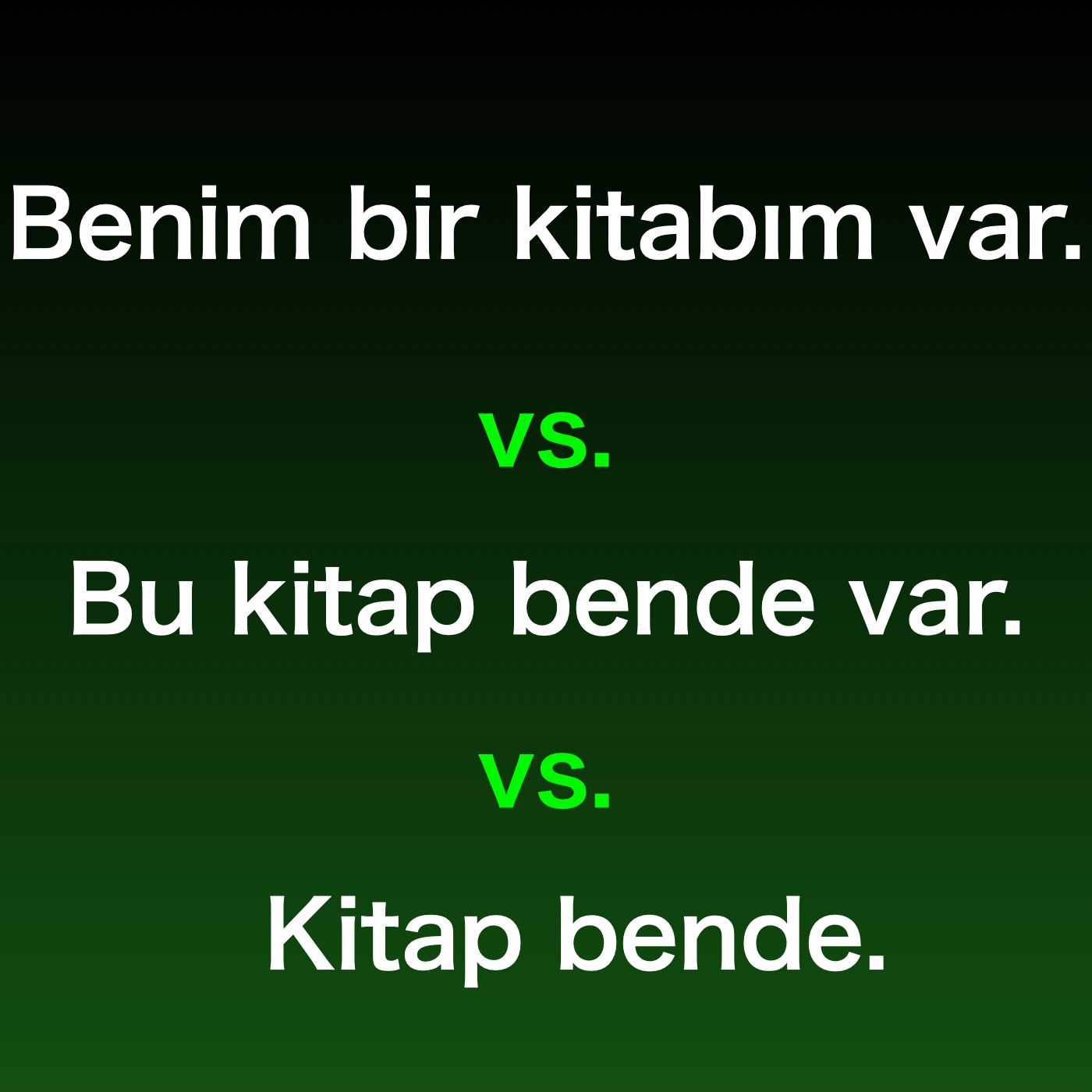
Ownership and Possession in Turkish
Dive into the nuances of Turkish grammar with my latest video: "Ownership and Possession in Turkish: 'Benim bir kitabım var.' vs. 'Bu kitap bende var.' vs. 'Kitap bende.'". Learn the key differences between these common expressions and how to convey ownership and possession in Turkish effectively.

Plural Indefinite Direct Object in Turkish
Dive into the distinction between "Ben kitaplar okurum." and "Ben kitap okurum." as I explore the concept of indefinite direct objects in Turkish.
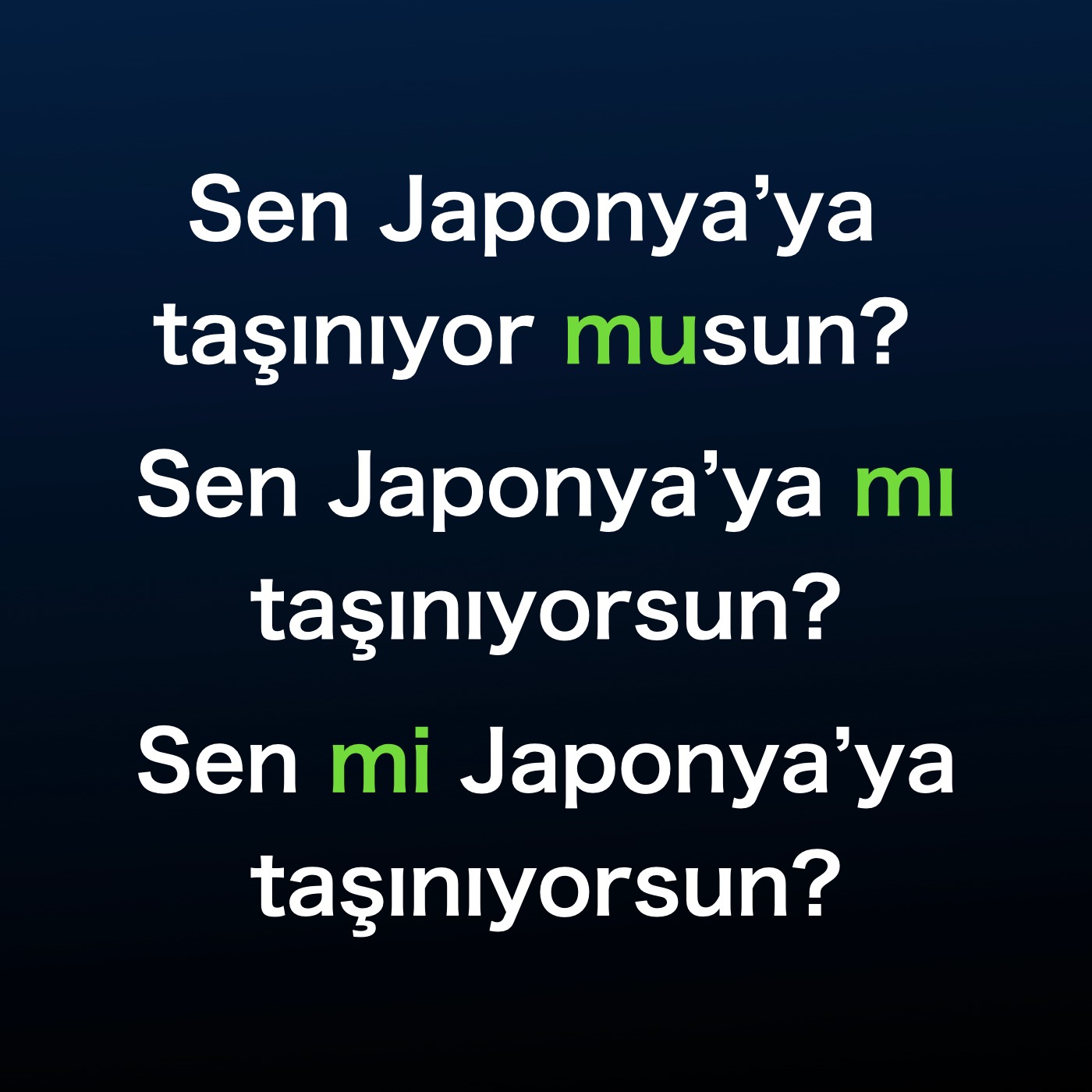
Position of the Interrogation Particle in YES NO Questions in Turkish
Discover the correct positioning of the interrogation particle and master the art of forming clear and concise questions in Turkish.

How to say “I have” and “I do not have” in Turkish
In this tutorial, we delve into the essential phrases "I have" and "I do not have" in Turkish, providing clear explanations and practical examples for learners at all levels.
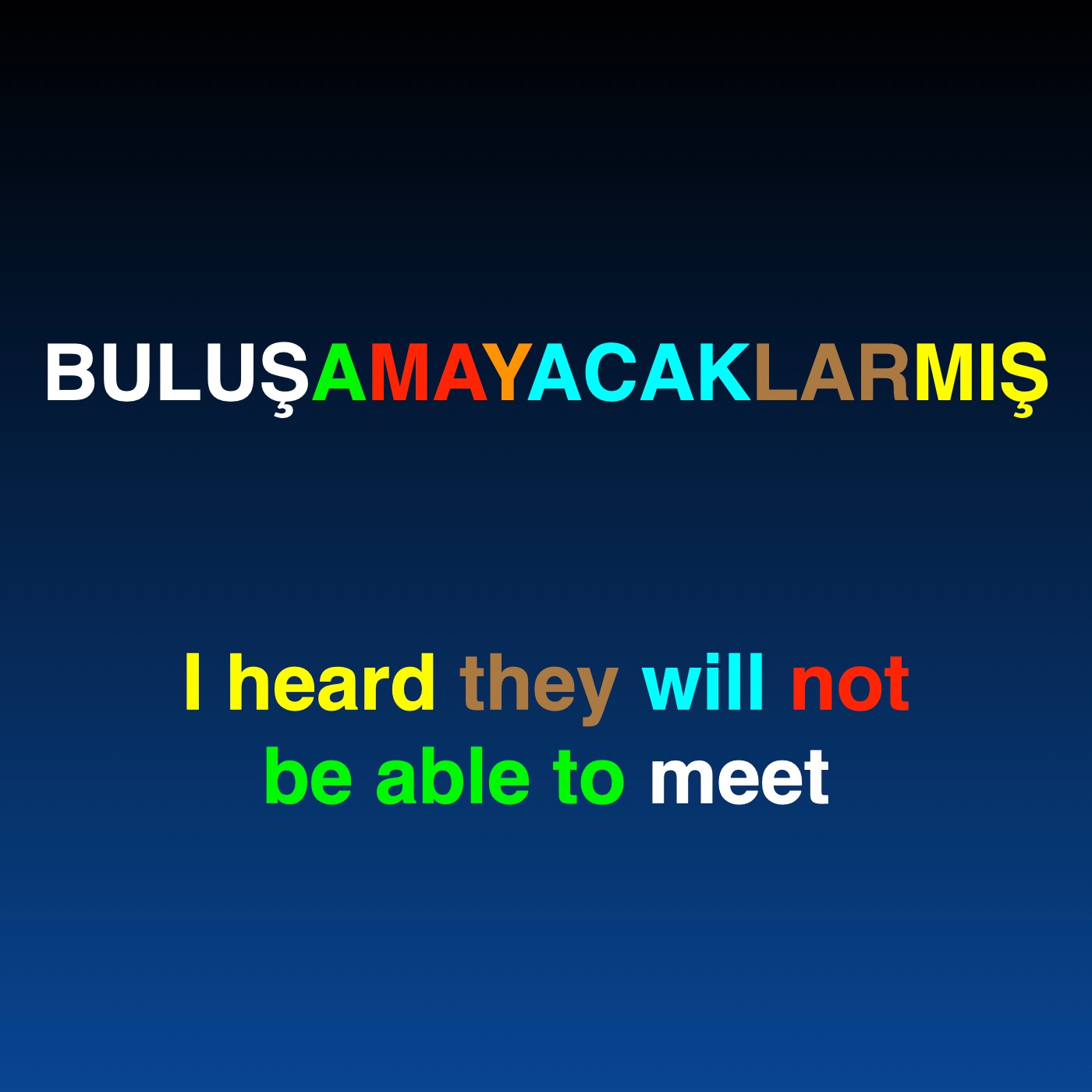
The Power of Turkish Suffixes
Discover how a single word can transform into an entire sentence through the ingenious use of suffixes, as demonstrated by a recent social media post. From verb conjugation to the potential mood and beyond, explore the intricacies of suffixation in Turkish and uncover the secrets behind long words that convey rich meaning.

How to learn Turkish
Discover the secrets to mastering the Turkish language in this comprehensive guide! Whether you’re a beginner or looking to improve your skills, this video breaks down essential concepts like Turkish alphabet sounds, vowel harmony, noun cases, and much more. Start your language learning journey today and experience the beauty of Turkish culture and communication!
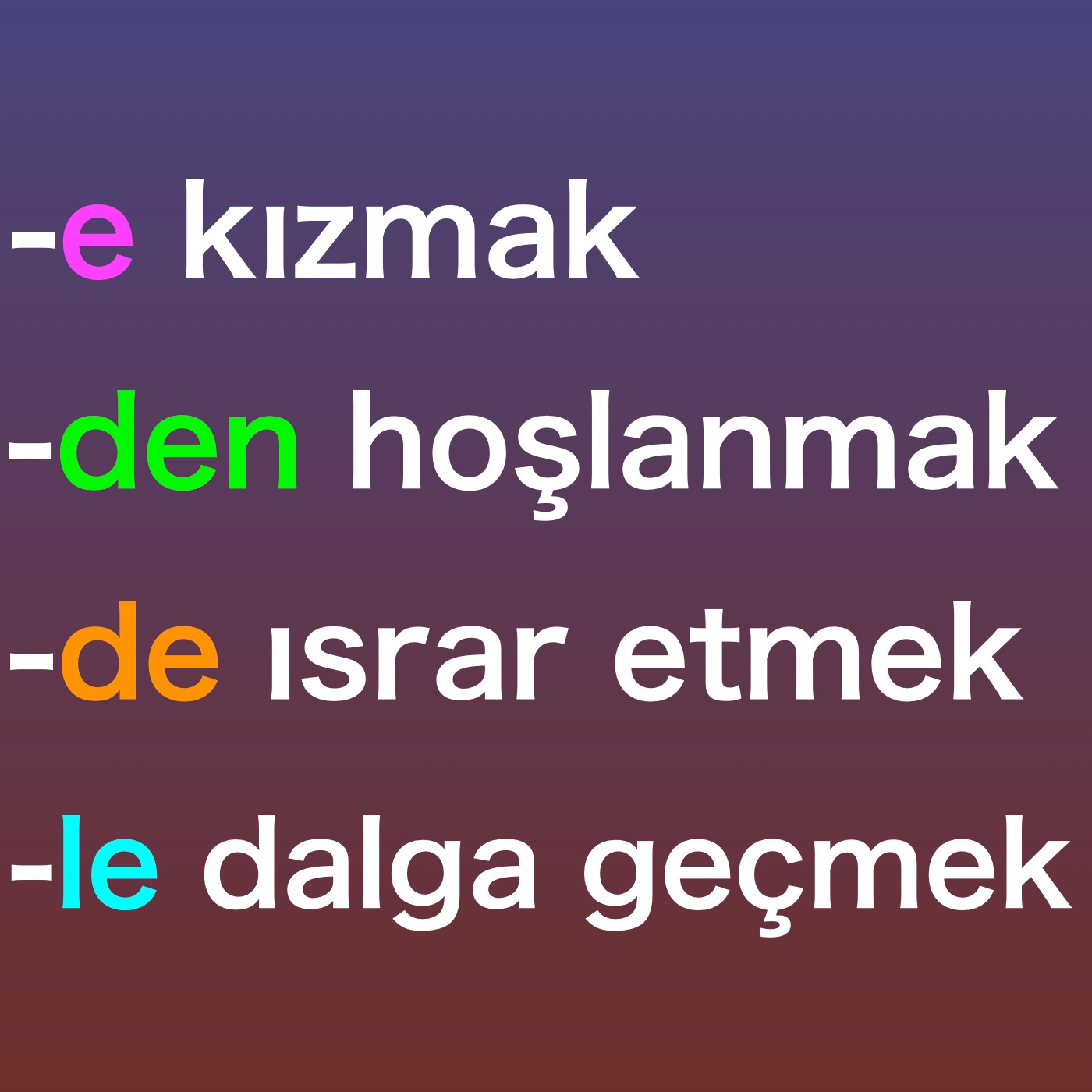
Which Verb with Which Case Suffix
Dive deep into the dative, ablative, and locative case suffixes, understanding how each complements Turkish verbs. Learn how to use the comitative suffix and navigate oblique objects effortlessly. Learn how to use dative, ablative and locative in Turkish.
3rd Plural Person Conjugation with Copula
Dive deep into Turkish grammar as we explore the intricacies of the 3rd plural person conjugation with the copula. 🇹🇷 Gain a solid understanding of how to form and use this essential aspect of Turkish verbs, especially in compound tenses and nominal sentences.
"olduğunu" in Turkish
Unveiling the mystery of "olduğunu" in Turkish grammar! This video tackles nominal sentences, a unique way to express existence and state. Master the construction of these sentences and level up your Turkish communication. Learn when to use "olduğunu" and build grammatically sound sentences with ease. No more confusion!
Turkish Sentence Structure | Flexible Word Order | Part 5
This video unlocks the secrets of flexible word order of the Turkish language, from direct & indirect objects to time & location expressions. ⏱️
Learn Turkish: How to form sentences in Turkish? | Expression of Time and Location | Part 4
Unlock the secrets of direct & indirect objects, definite & indefinite forms, and conquer time & location expressions. ⌚
Turkish Sentence Structure | Definite & Indefinite Direct Object | Part 3
Delve into the intricacies of Turkish sentence structure, as I demystify the concepts of definite and indefinite direct objects—essential elements for effective communication.
Learn Turkish: How to form sentences in Turkish? | Direct Object in Turkish | Part 2
Welcome to our Turkish language learning journey! In this insightful lesson, we delve into the intricacies of forming sentences in Turkish, focusing on the critical aspect of Direct Objects.
How to form sentences in Turkish? | Word Order | Subject and Predicate | Part 1
Are you ready to master the art of forming sentences in Turkish? Look no further! In this comprehensive tutorial, we delve into the intricate world of word order, subject, and predicate to help you construct grammatically correct sentences with ease.

Dative Accusative or Nominative in Turkish Language?
Join us on an enlightening journey through the intricacies of Dative, Accusative, and Nominative cases in the Turkish language! 🌟 Whether you're delving into indirect objects, direct objects, or understanding the nuances of these cases, this video is your comprehensive guide.

How to say “I am ready” in Turkish Language
Want to express readiness in Turkish? You're in the right place! In this concise tutorial, we'll unravel the phrase "I am ready" and its variations in Turkish, empowering you to confidently use these expressions in everyday conversations.
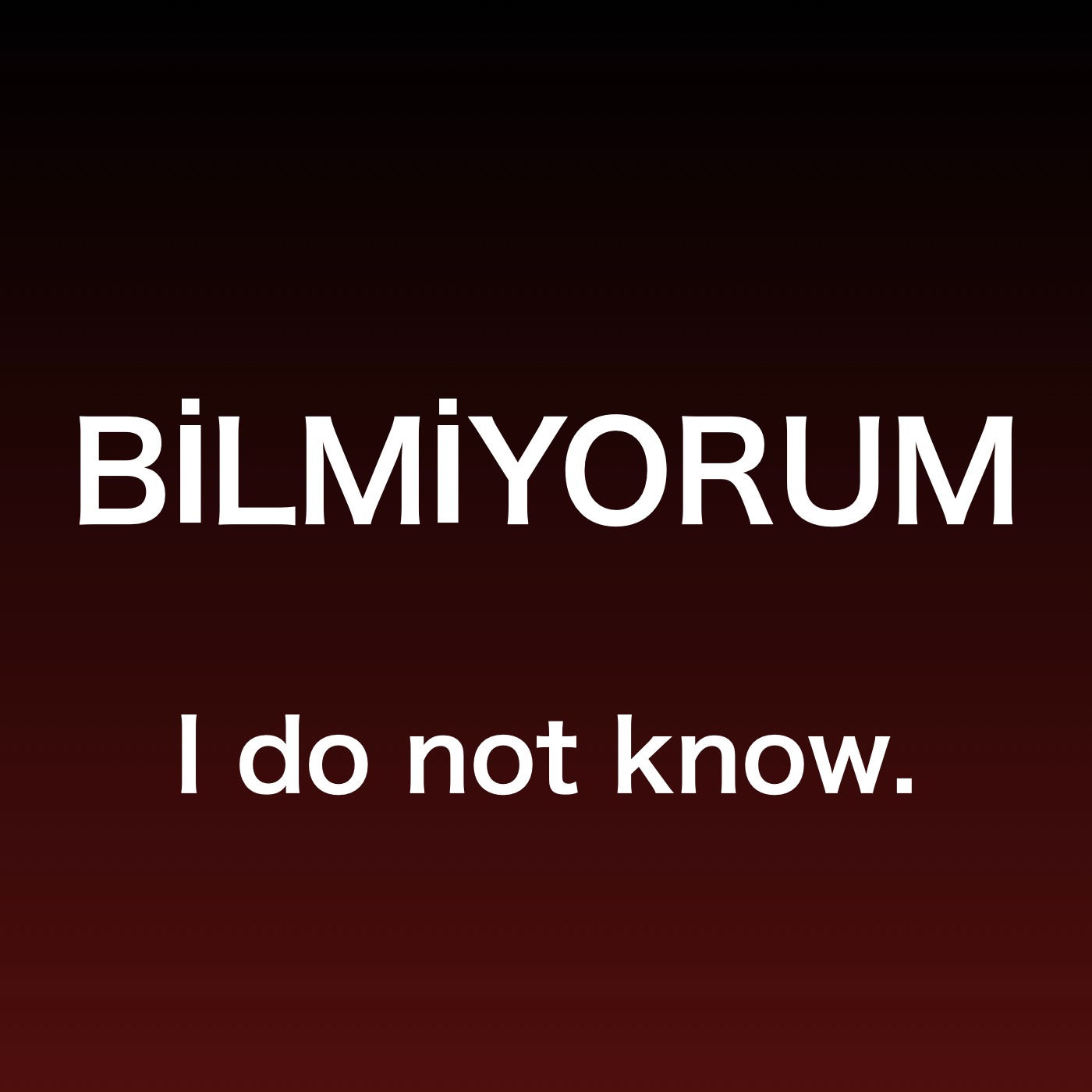
How to say “I do not know”
Are you ready to expand your Turkish language skills and express yourself with confidence? In this video, we demystify how to say "I do not know" in Turkish, empowering you to communicate effectively in everyday situations.
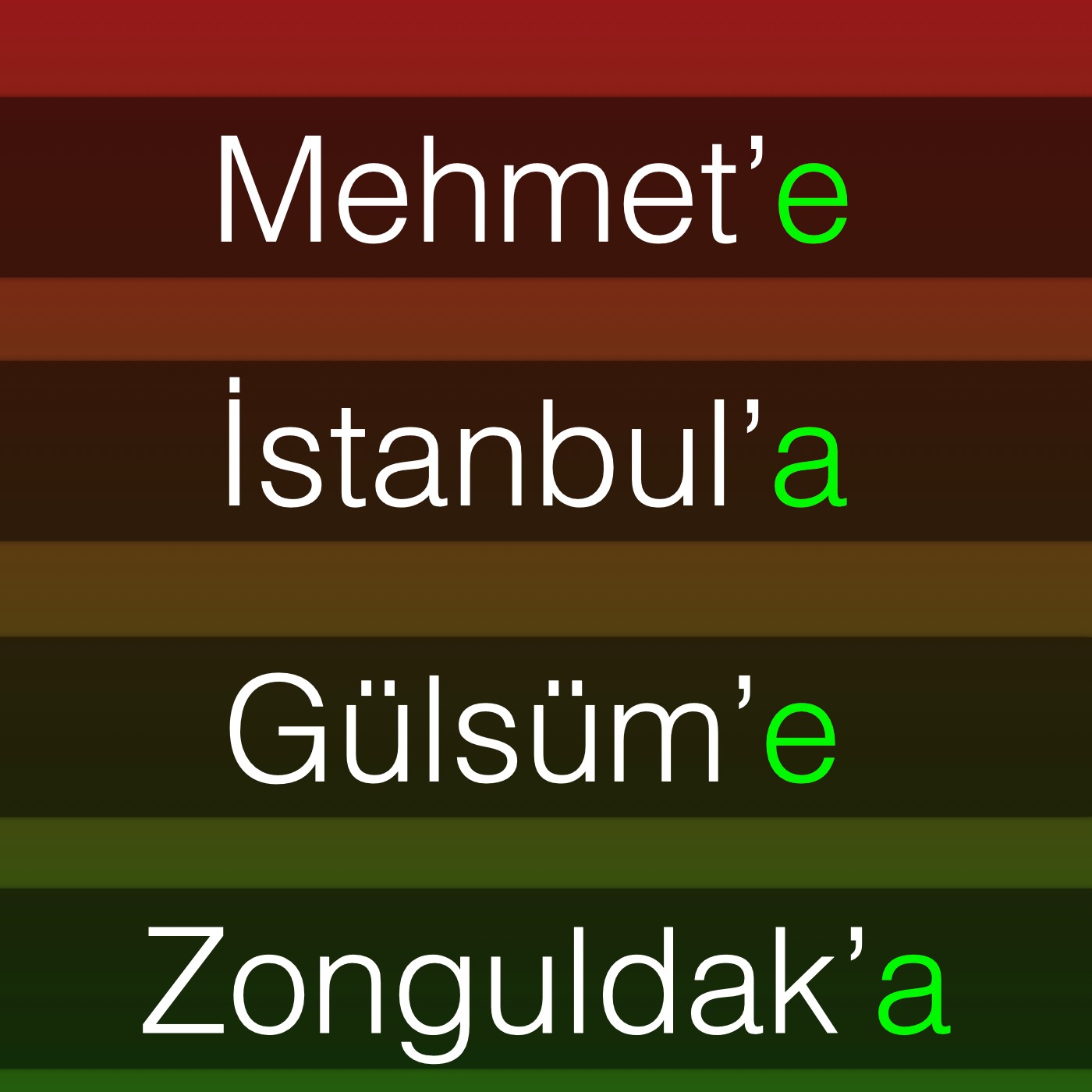
Dative Case of the Proper Names in Turkish Language
Welcome to another insightful Turkish grammar lesson! In this video, we delve into the fascinating world of the Dative Case of Proper Names in Turkish – a crucial aspect of the language that adds depth and nuance to your communication.
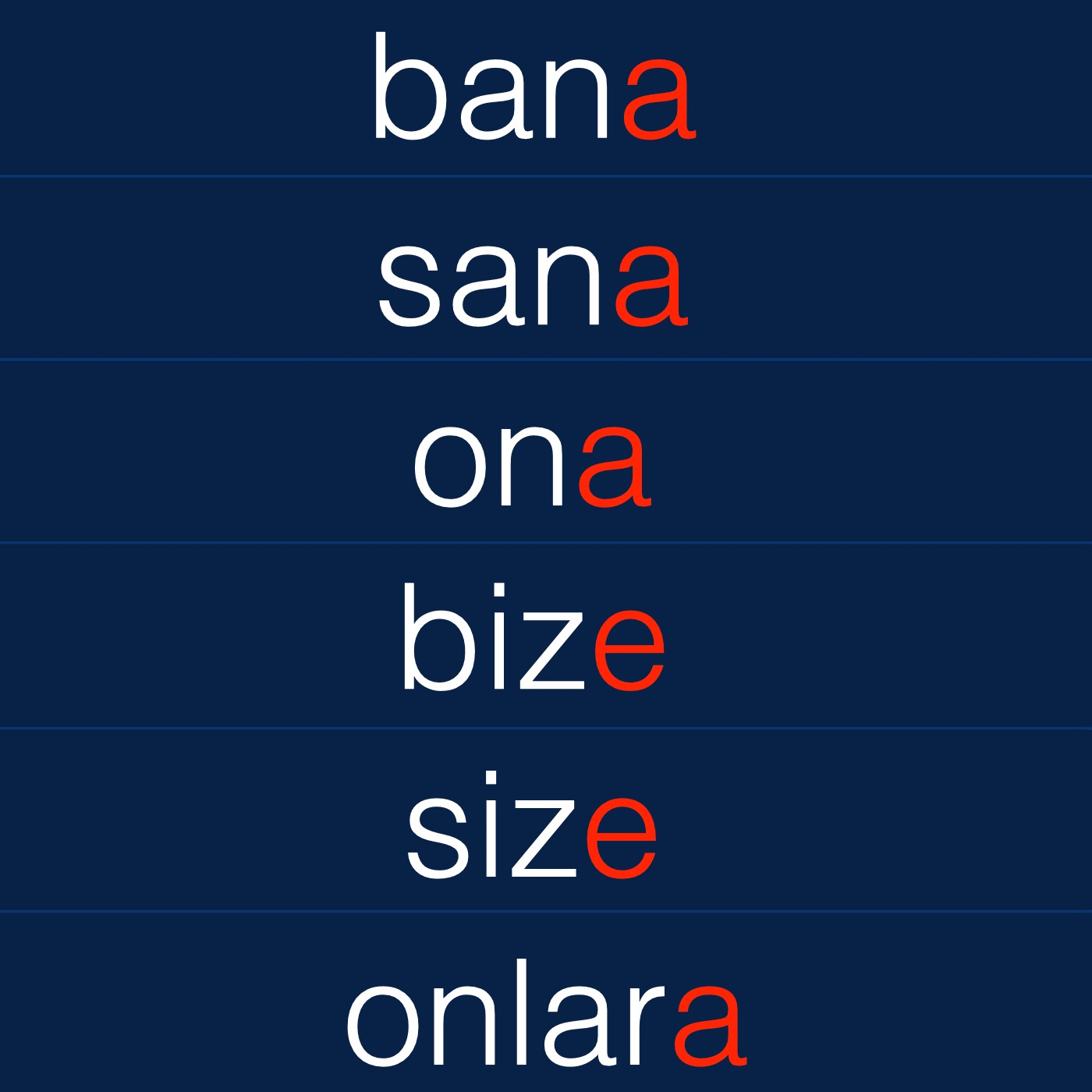
Dative Case of the Personal Pronouns
Welcome to an essential lesson in Turkish grammar! In this comprehensive tutorial, we delve into the intricate world of the dative case applied to personal pronouns in the Turkish language.
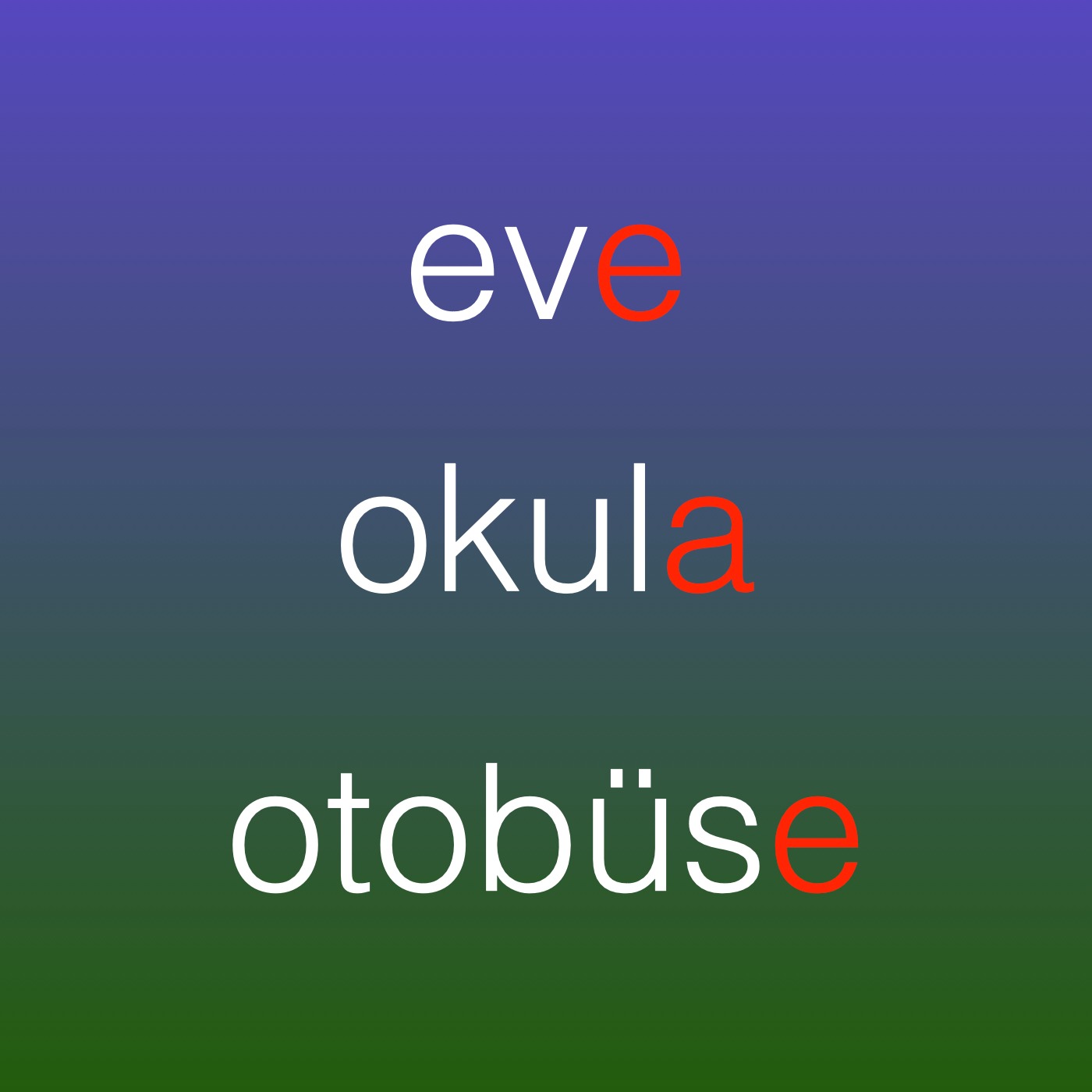
Dative Case of the Nouns
Welcome to a deep dive into Turkish grammar! In this comprehensive lesson, we explore the intricate world of the Dative Case (İsmin Yönelme Hali) and its crucial role in expressing indirect objects, motion towards conditions, specifying objects, and more in Turkish.

Existence (There is - VAR) and Non-Existence (There is not - YOK)
Discover the essence of expressing existence and non-existence in the Turkish language with our insightful guide! In this video, we delve deep into the nuances of describing what "exists" and what "doesn't exist" in Turkish sentences.
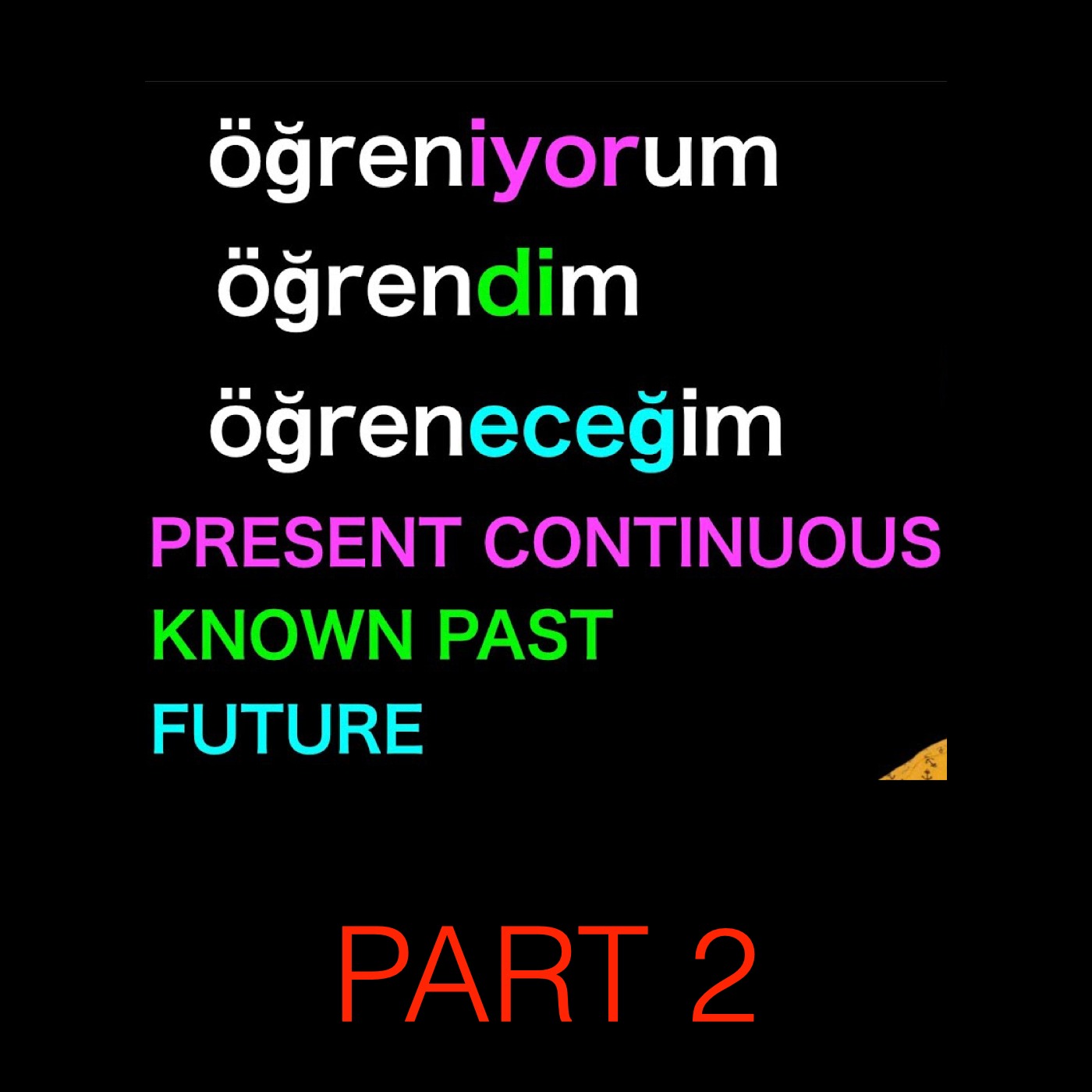
The top 50 Turkish Verbs in different tenses - Part 2
Dive deep into the heart of Turkish language mastery with our latest video, "Learn Turkish: The Top 50 Turkish Verbs in Different Tenses." Uncover the nuances of Turkish verbs and their conjugations Elevate your language skills by understanding verb usage in various tenses, coupled with English translations for clarity. Perfect for both beginners and language enthusiasts, this lesson is your gatew
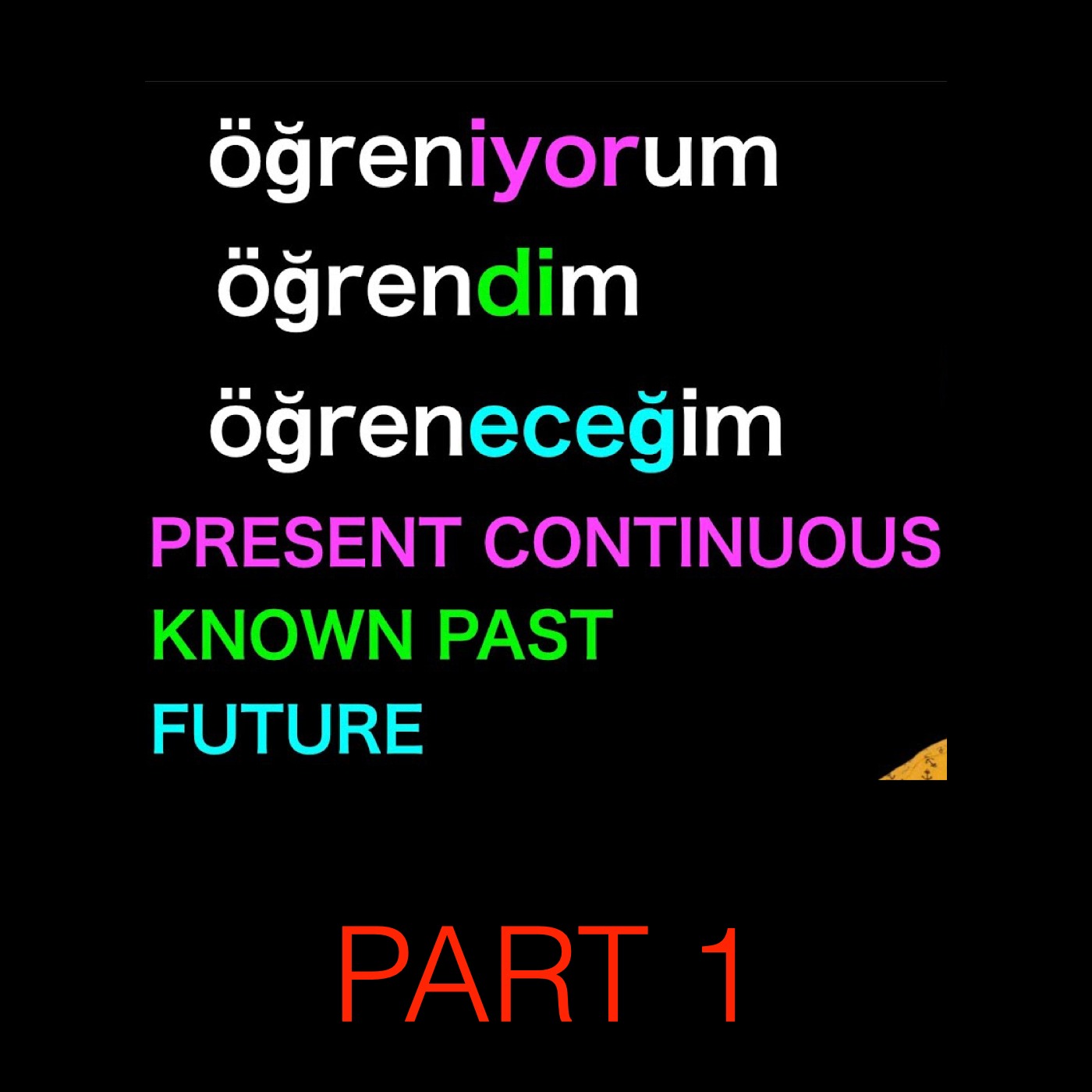
The top 50 Turkish Verbs in different tenses - Part 1
Dive deep into the heart of Turkish language mastery with our latest video, "Learn Turkish: The Top 50 Turkish Verbs in Different Tenses." Uncover the nuances of Turkish verbs and their conjugations Elevate your language skills by understanding verb usage in various tenses, coupled with English translations for clarity. Perfect for both beginners and language enthusiasts, this lesson is your gatew

How to conjugate verbs in Turkish Language
Learn how Turkish verb conjugation works and how to conjugate verbs correctly in different tenses.This lesson is designed for English speakers learning Turkish, focusing on verb stems, personal endings, tense suffixes, and the logic behind Turkish verb conjugation.You’ll learn how Turkish verbs are built step by step, making it easier to understand all Turkish tenses instead of memorizing each con
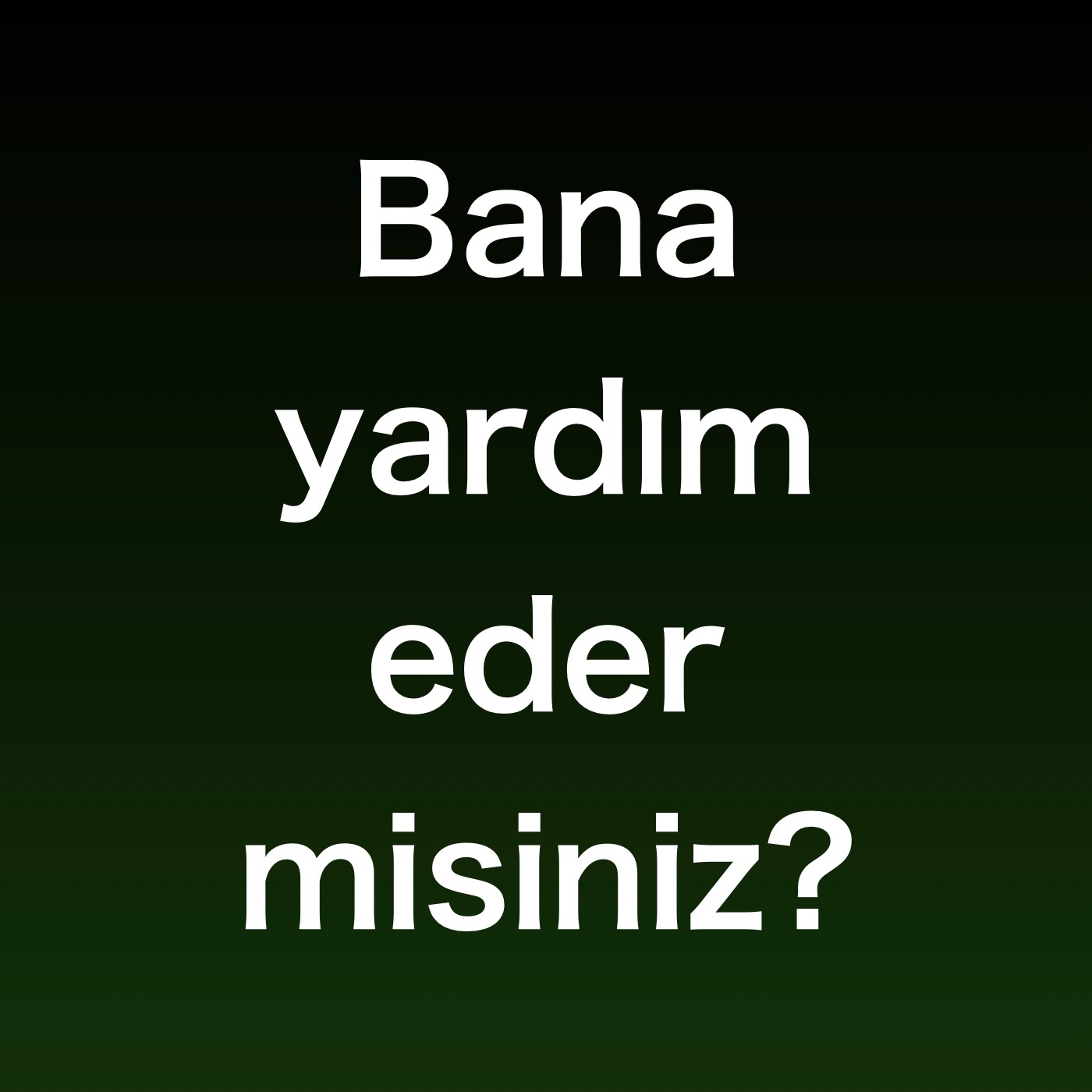
How to say “Can you help me?”
Learn to Ask for Help in Turkish here : "Learn Turkish : How to say “Can you help me?”" Are you ready to expand your Turkish language skills? In this quick tutorial, we'll teach you a fundamental phrase: "Can you help me?" or "Will you help me?" in Turkish.
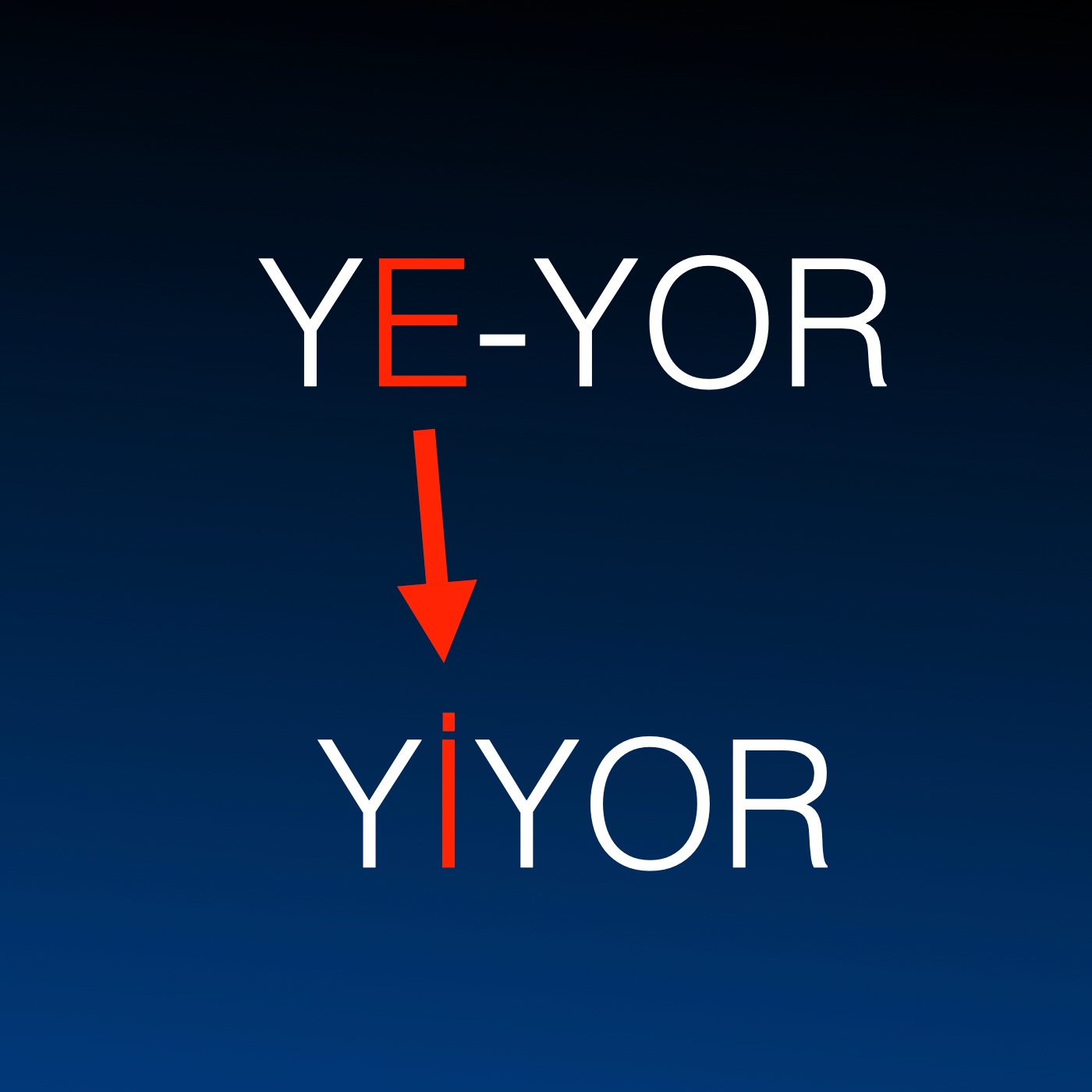
Vowel Mutation
Explore the fascinating world of Turkish language with our in-depth guide to "Vowel Mutation" or "Ünlü Daralması."
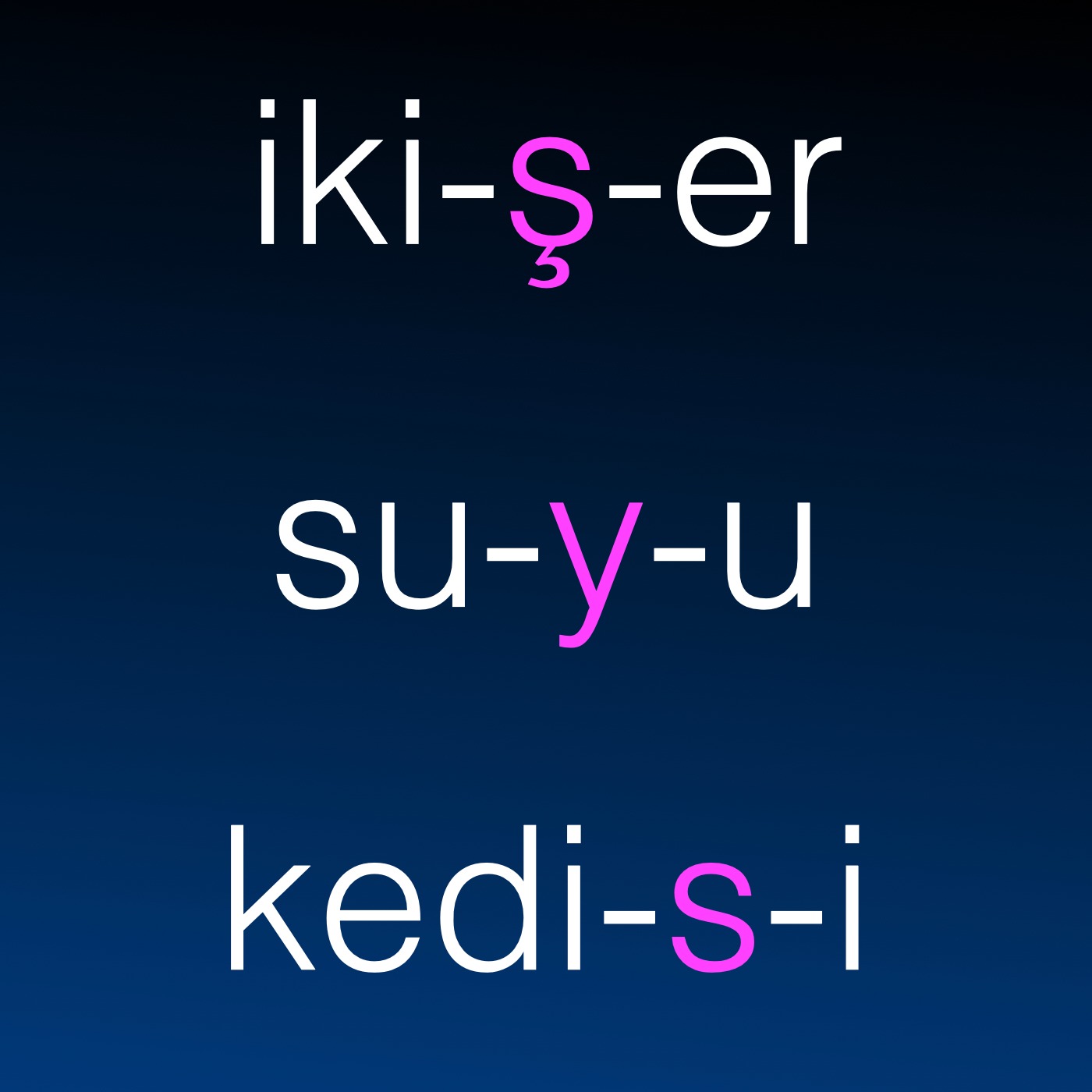
Buffer Letters - Part 2
Unlock the secrets of Turkish Buffer Letters in Part 2 of our comprehensive series! Dive deep into the intricacies of "kaynaştırma harfleri," commonly known as buffer letters, as we explore their role in Turkish grammar. Perfect for beginners, this lesson is part of our series dedicated to the fundamentals of the Turkish language.

The Verb “to be” | Nominal Sentences in Turkish in One Video
The Verb “to be” | Nominal Sentences in Turkish in One Video

Positive Sentences in the Present Tense Using the Verb ‘to be’
By the end of this video, you'll have a solid grasp of forming positive nominal sentences in the Present Tense using the Copulative Verb in Turkish.

Negative form of the Conditional Mood of the Nominals in Turkish
In this lesson, we are going to get a brief overview about the Copulative Verb in Turkish. The Copulative Verb has 4 forms and in this video we will take a look at the negative form of the Conditional Mood in Turkish.

Positive form of the Conditional Mood of the Nominals in Turkish
Positive Conditional Mood Overview: Gain a solid understanding of how to express conditions and possibilities in Turkish, specifically in positive nominal sentences.

Negative Sentences in the Heard Past Tense Using the Verb ‘to be’
In this tutorial, we cover essential topics such as how to negate nominal sentences, conjugate verbs in Turkish, and specifically focus on the copulative verb in Turkish grammar. Whether you're a beginner or looking to refine your language skills, this lesson is tailored for you.

Positive Sentences in the Heard Past Tense Using the Verb ‘to be’
Dive into the nuances of Turkish grammar, including copula, ek fiil, and conjugation techniques. Ideal for beginners, this tutorial covers essential language structures, providing a solid foundation for your Turkish journey.

Negative Sentences in the Known Past Tense Using the Verb ‘to be’
In this tutorial, we demystify the process of negating nominal sentences, providing valuable insights into conjugating verbs in Turkish and highlighting the significance of the copulative verb.
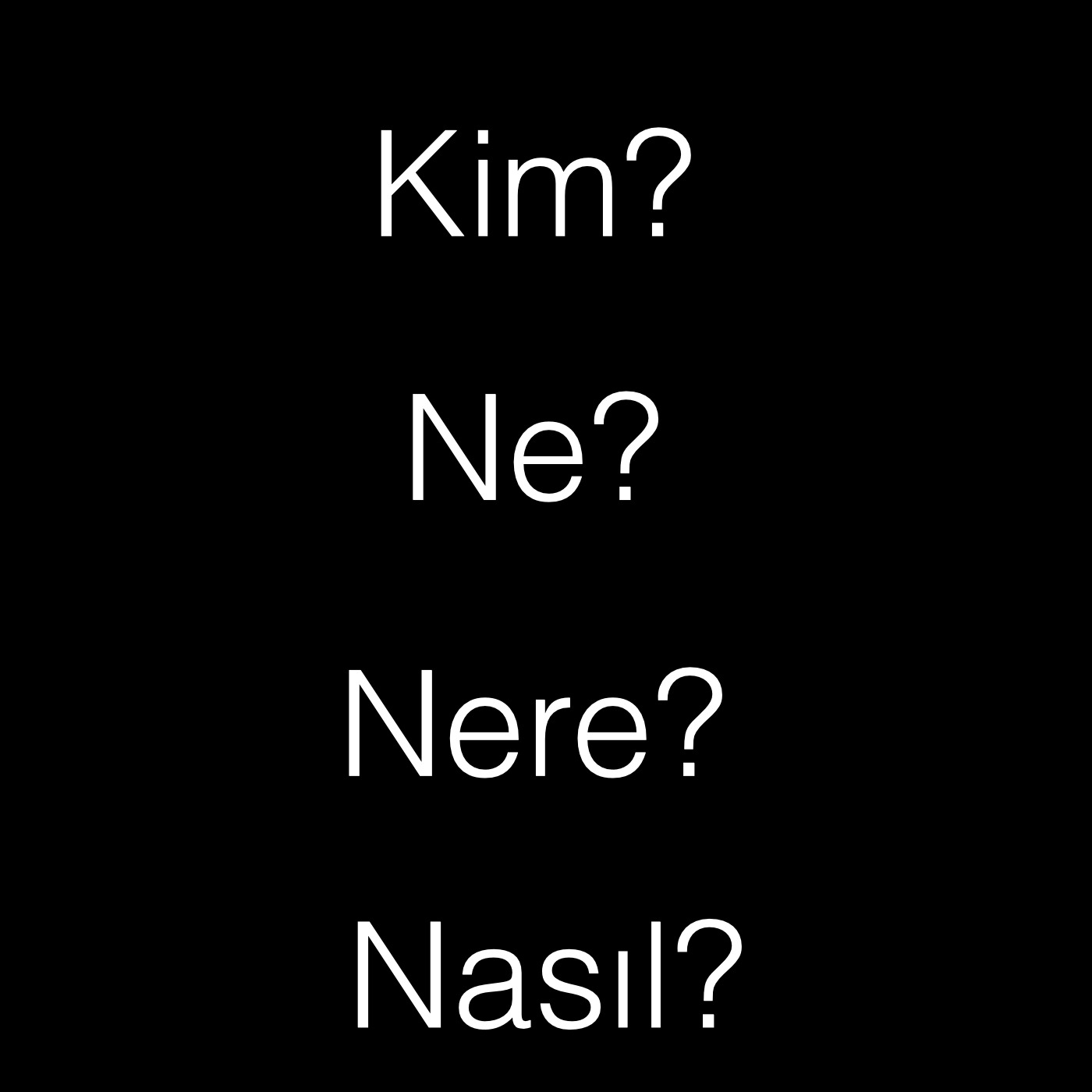
Introduction to the Question Words
In this podcast, "Introduction to the Question Words in Turkish," we'll unravel the mysteries behind question words, making it easy for you to engage in meaningful conversations in Turkish.
How to say “I want”
In this quick and informative lesson, we'll show you how to say "I want" and "I want to" in Turkish, along with essential variations.
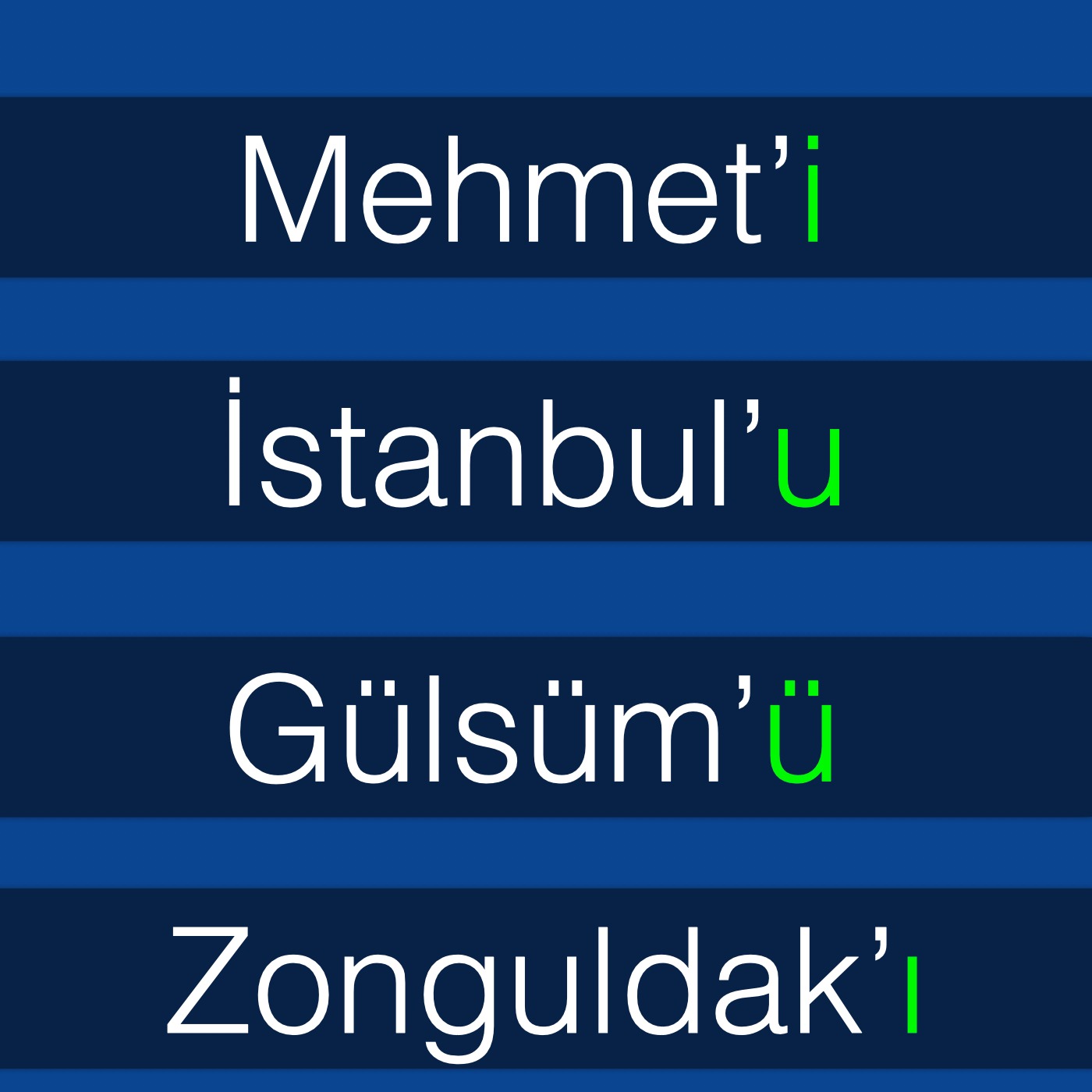
Accusative Case of the Proper Names
Welcome to a deep dive into the intricacies of Turkish grammar! In this enlightening video, we will focus on a specific aspect of the accusative case: "Accusative Case of Proper Names in Turkish."

How to say “I need to go to the bathroom”
In this quick and practical lesson, you'll master the essential phrase "I need to go to the bathroom" in Turkish, along with other related expressions. Whether you're a traveler, language enthusiast, or just curious, this video will help you communicate effectively in everyday situations.
The Conjunction “ile”
Discover the ins and outs of the conjunction "ile" in Turkish with our latest lesson. Turkish Grammar : The Conjunction “ile” Learn how to use "ile" effectively, grasp its nuances, and elevate your Turkish language skills. This concise tutorial is tailored for beginners, providing a clear understanding of Turkish grammar while making the learning process enjoyable.
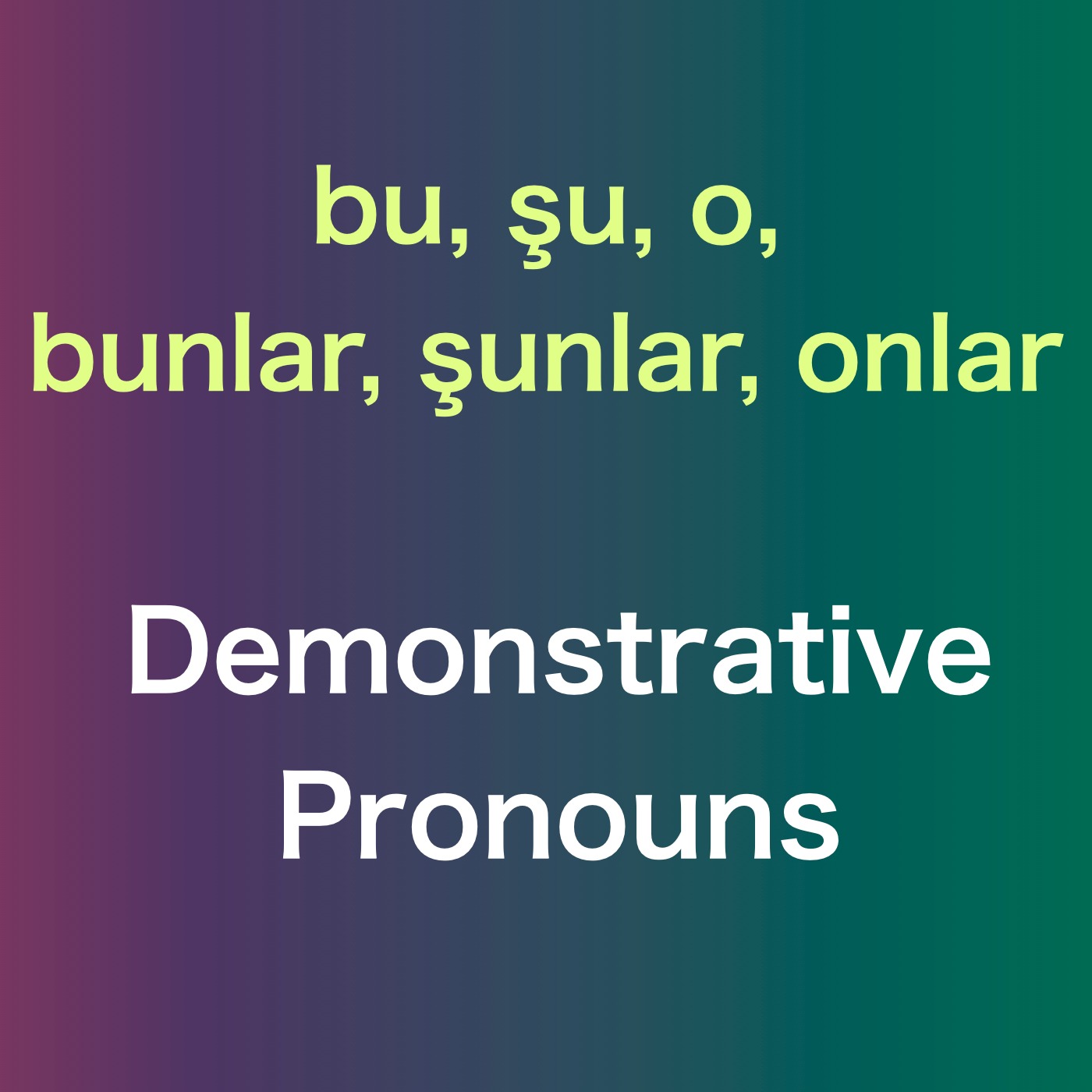
Demonstrative Pronouns in Turkish
Uncover the meaning and usage of "bu," "şu," "o," "bunlar," "şunlar," and "onlar" with clear explanations and practical examples. Perfect for Turkish learners at all levels, this video delves into işaret zamirleri (demonstrative pronouns) to enhance your language skills.
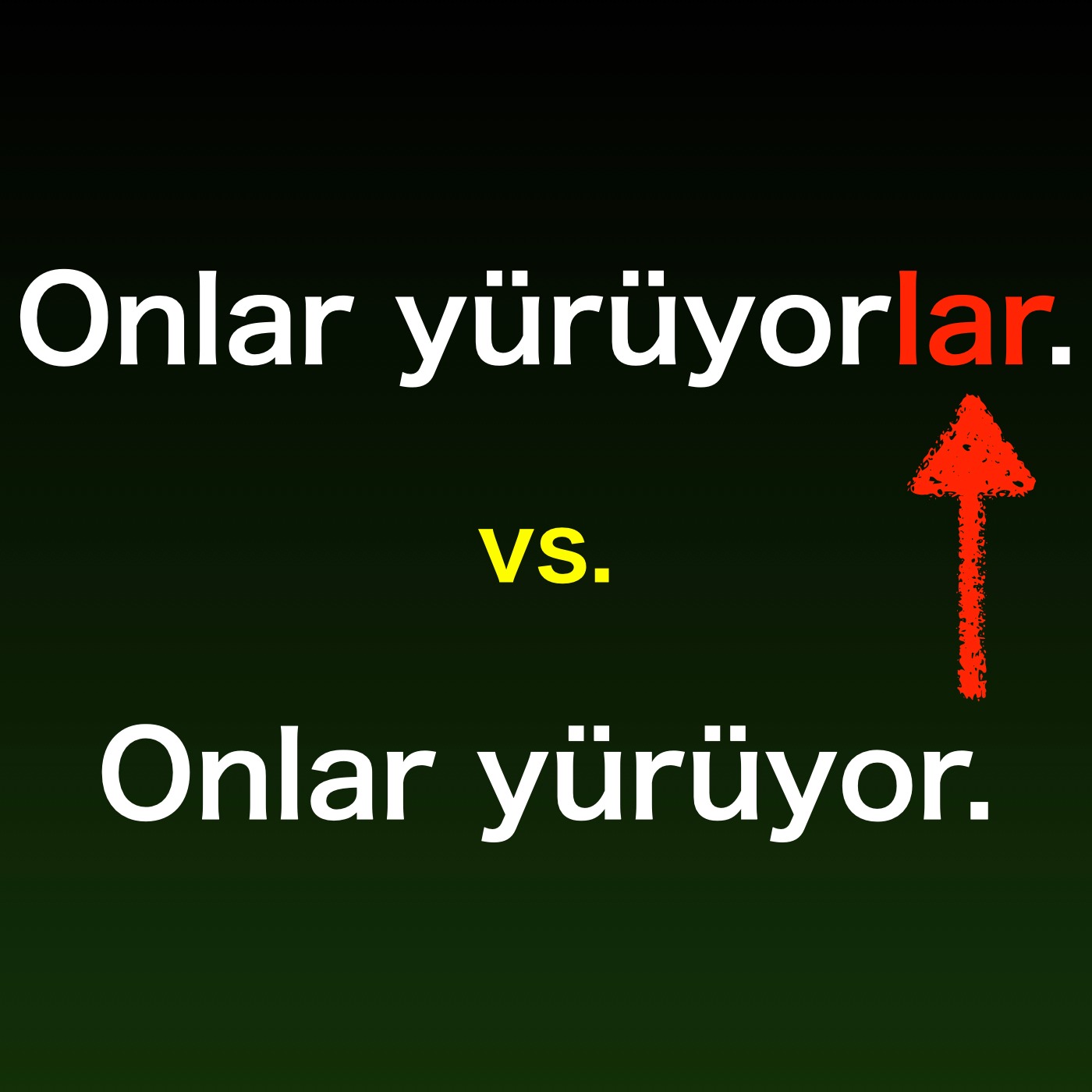
3rd Plural Personal Pronoun and Suffix
3rd Plural Personal Pronoun: Dive deep into the world of Turkish personal pronouns. Discover how the 3rd plural pronoun is used in different contexts and why it's crucial for effective communication.
How to address people
Addressing people in Turkish is an essential part of effective communication, and it reflects the warmth and respect deeply embedded in Turkish culture. Whether you want to learn how to address old people in Turkish, use "Mr." and "Mrs." in Turkish, or employ "sir" and "ma'am" respectfully, we've got you covered.
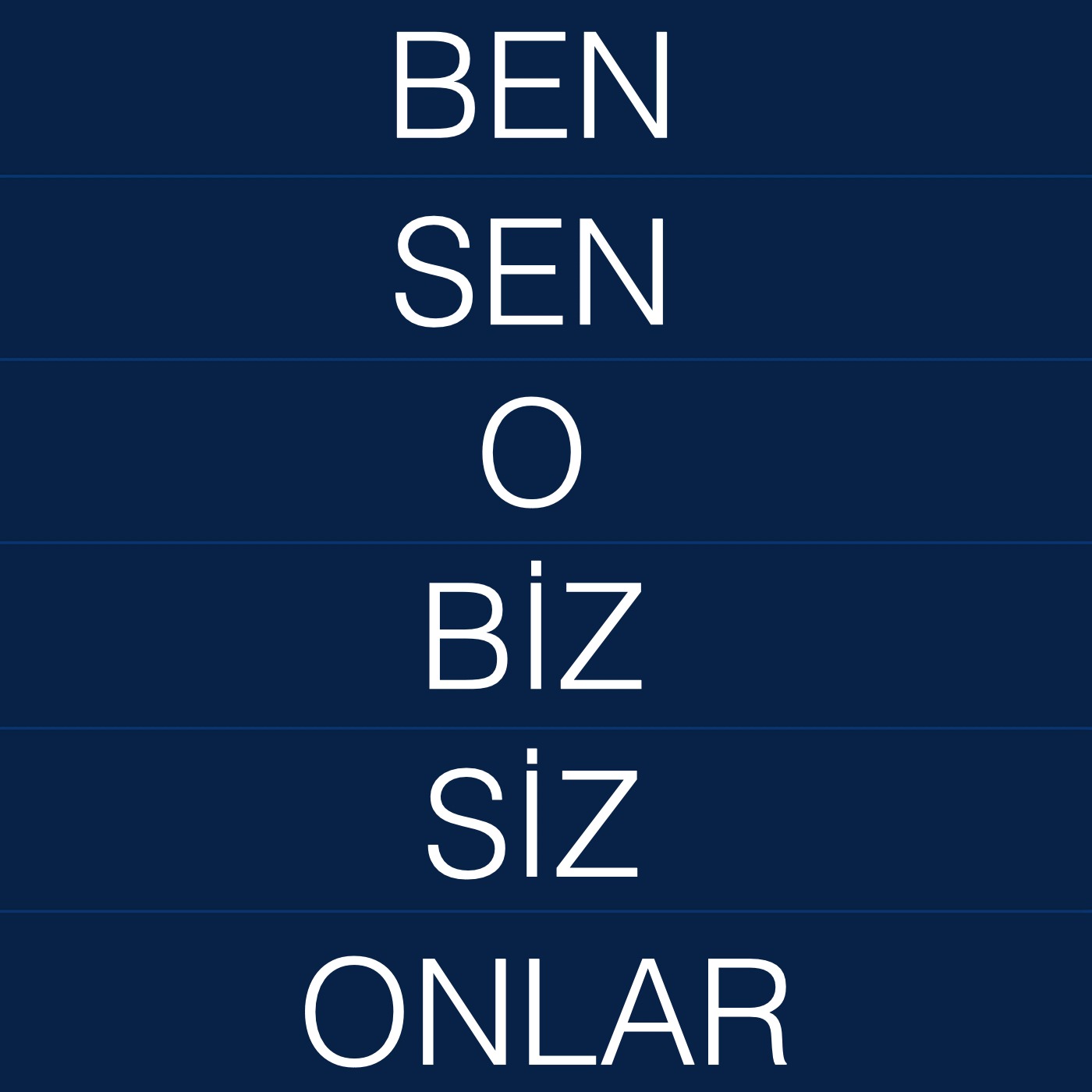
Personal Pronouns in Turkish Language - Part 1
Welcome to our Turkish language lesson focusing on Personal Pronouns (Kişi Zamirleri). Whether you're a beginner looking to learn Turkish or an enthusiast eager to enhance your Turkish grammar, this video is designed to help you grasp this fundamental aspect of the language.
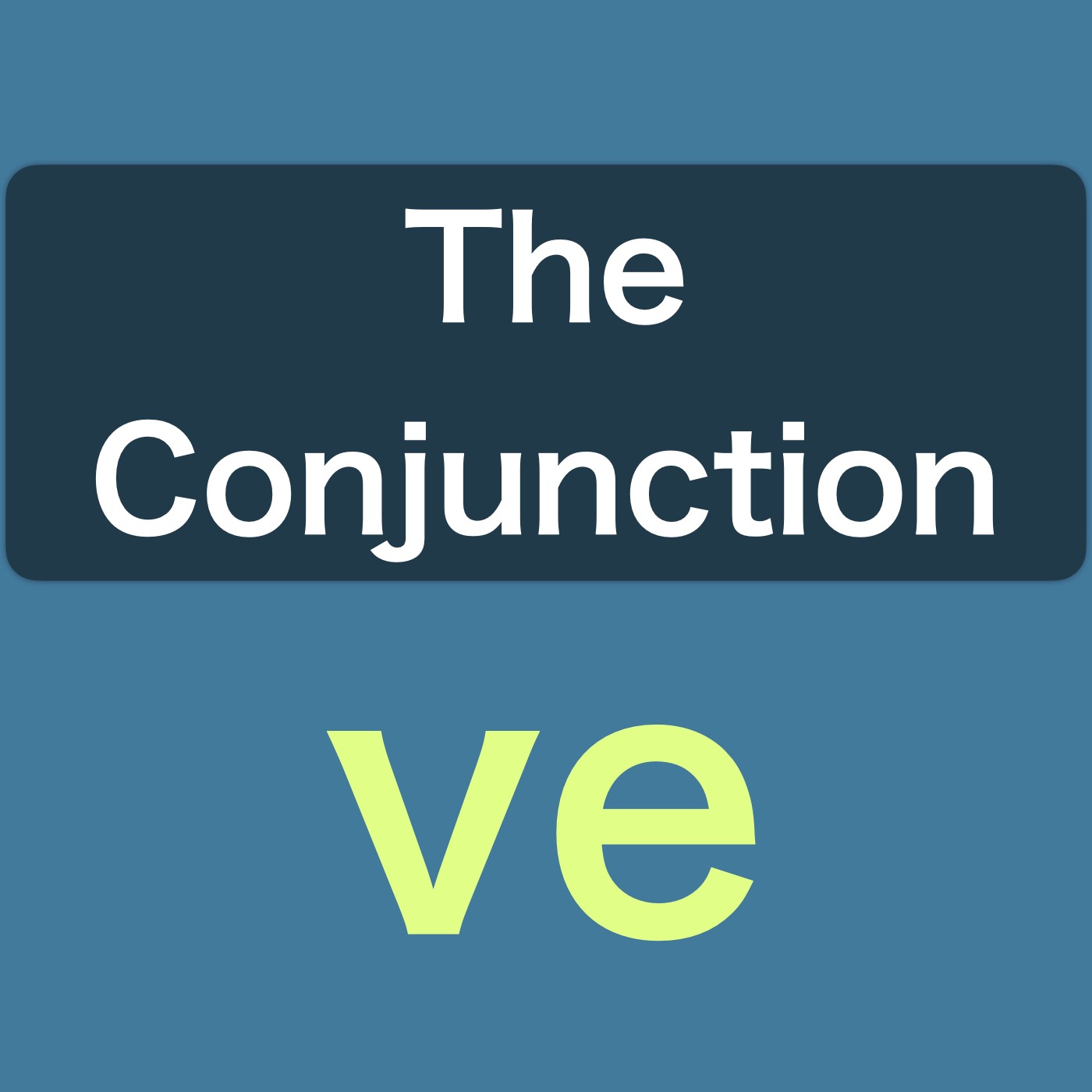
The Conjunction “Ve” in Turkish
Unlock the power of conjunctions in Turkish with our latest lesson, focusing on the versatile connector, "Ve"!
Önerilen

bitanem bi' konuşalım seninle

Alem FM

İngilizce Kelime Dersleri

Mevlana Takvimi

Elif Elkin

Sen uyurken 😴 İngilizce öğren 🇺🇸 yeni başlayanlar için 1000 cümle

Face Ghetto

Miraç Enginlikli İbadet: Namaz

Yatırımcı Sana Söylüyorum Girişimci Sen Anla

Kayıt Dışı İktisat
Turkish Podcast with Ebru (Intermediate Level) / Ebru ile Türkçe Podcast (Orta Seviye)

MyMecra Podcast
