TRT World Podcasts
TRT World Podcasts offers a range of audio content from TRT World, a global news channel based in Istanbul. The podcasts cover current events, in-depth analysis, and documentaries, providing balanced reporting with a focus on global responsibility. Listeners can stay informed on the go with news and features available online.
Bölümler
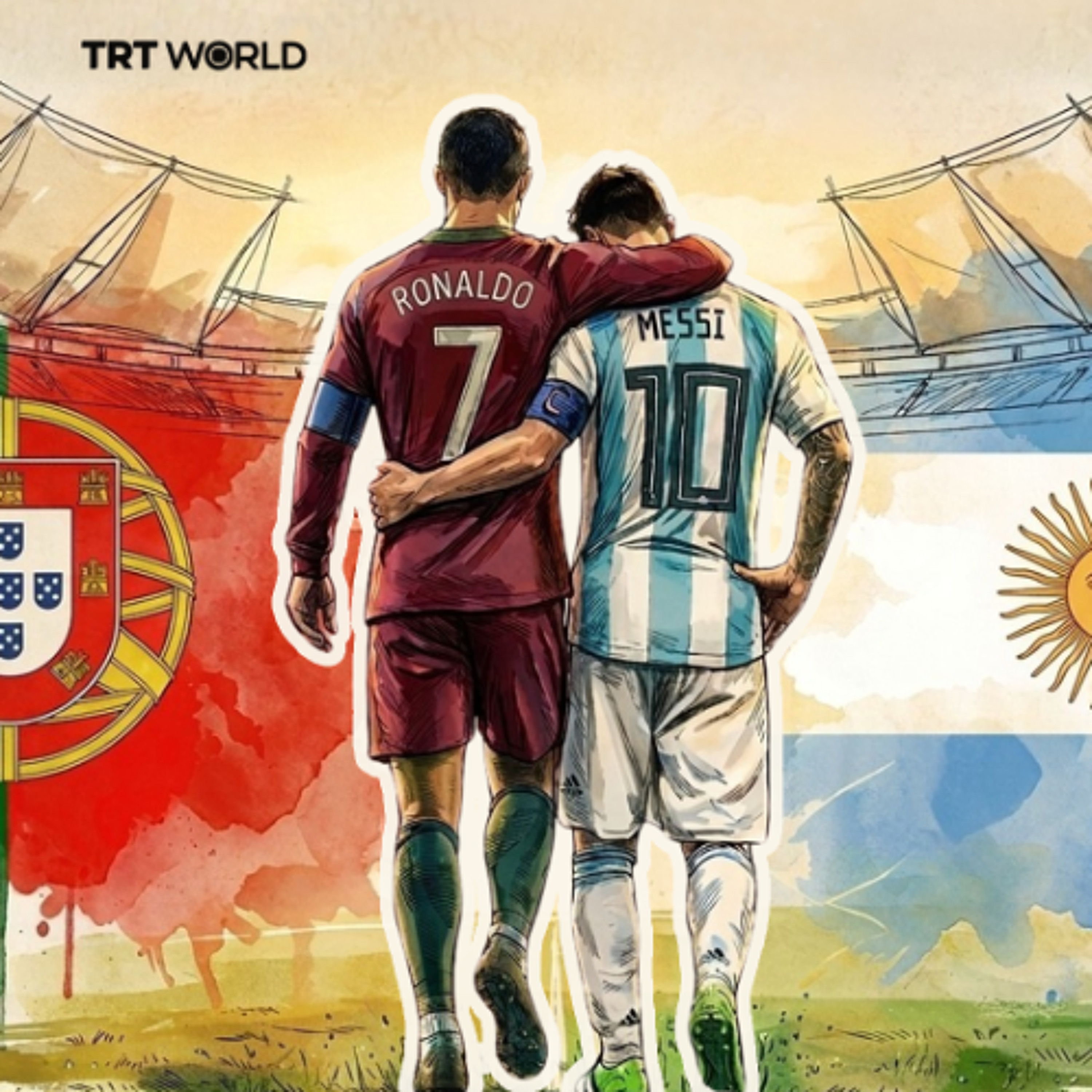
Is this the last World Cup for Ronaldo and Messi?
Is this the final FIFA World Cup for the two GOATs? – closing a rivalry that shaped modern football. We explore their careers, their longevity, records, public image, philanthropy and the legacy they leave behind
Host/Producer: Afzal Ahmed
Craft Editor: Khaled Selim
Executive Producer: Afzal Ahmed
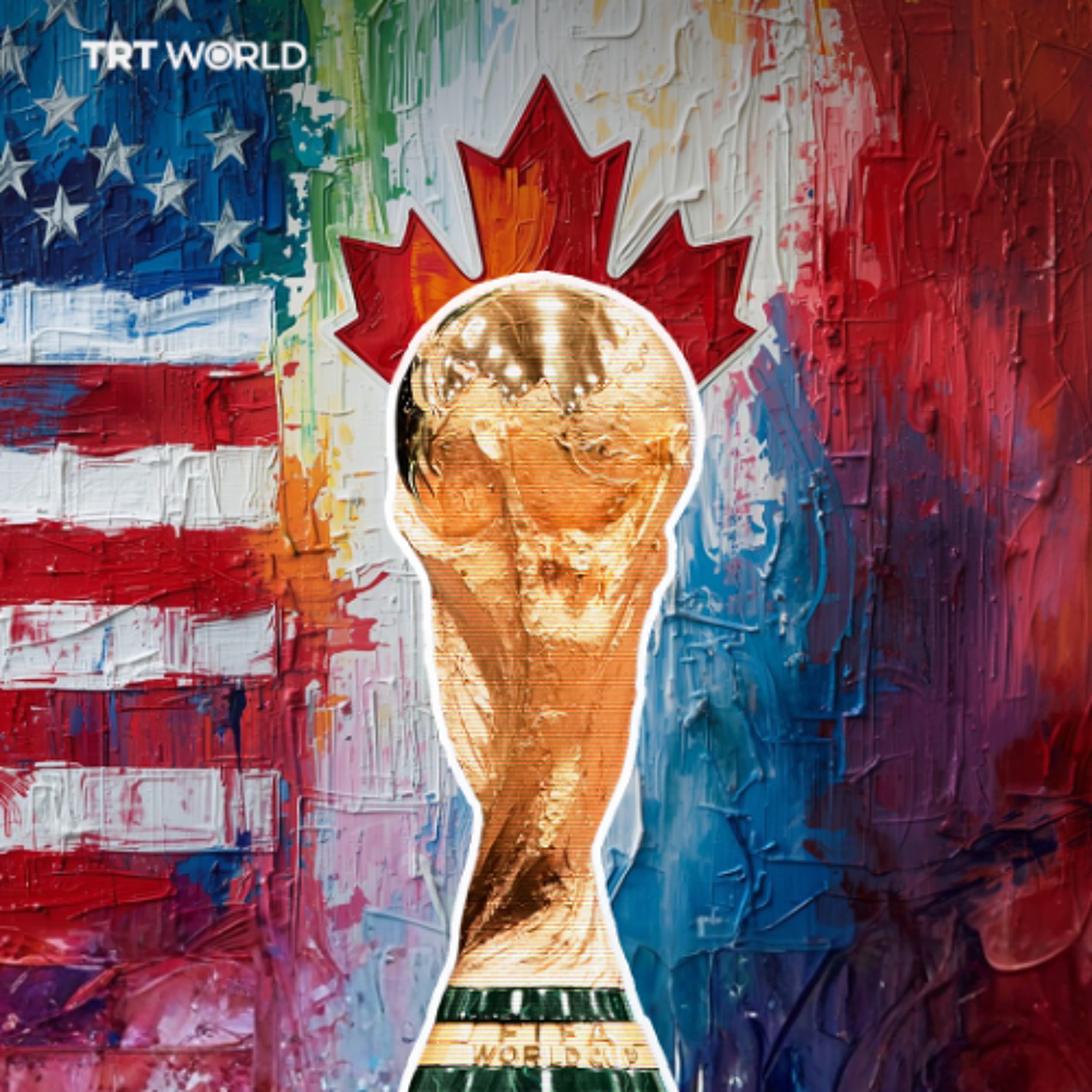
Why this will be FIFA’s biggest and most global World Cup
The FIFA World Cup 2026 will be the biggest ever, with 48 teams and 104 matches across three nations. Why is co-hosting becoming more common, and how are hosts using football to advance business, tourism, diplomacy and national ambition?
Host/Producer: Afzal Ahmed
Craft Editor: Khaled Selim
Executive Producer: Afzal Ahmed
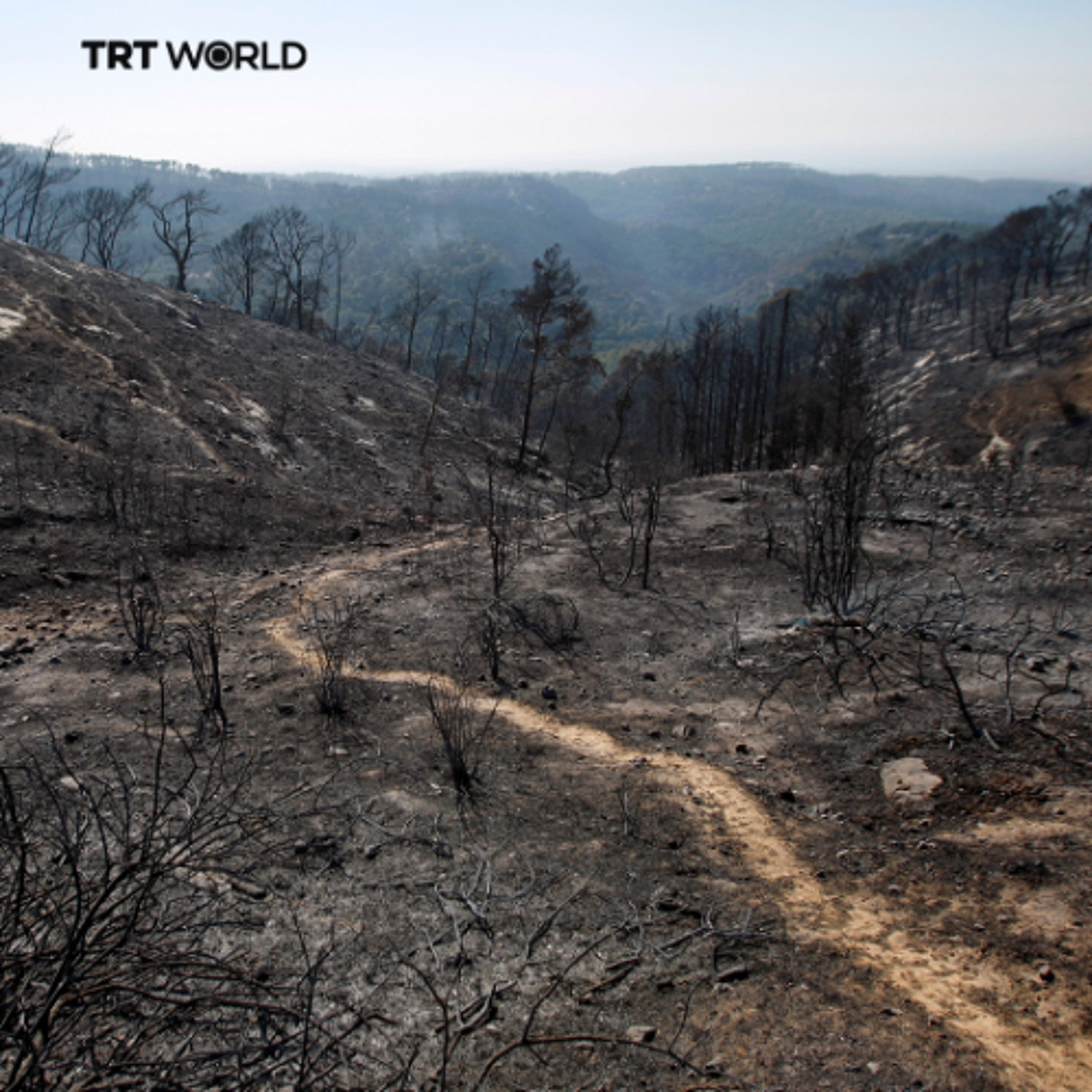
How Palestinian soil is rejecting the ecology of occupation
Planted following the Nakba, millions of pine trees are now succumbing to fire and drought as the indigenous olive tree and others begin to reclaim their roots
Host/Producer: Afzal Ahmed
Craft Editor: Khaled Selim
Executive Producer: Afzal Ahmed
What does the new world order mean for security?
From Ukraine to Gaza to Iran, the old system of purchased protection is under pressure. This episode explores why sustainable security now depends less on military spending and more on resilience, alliances, industrial depth and strategic flexibility
Host/Producer: Afzal Ahmed
Craft Editor: Khaled Selim
Executive Producer: Afzal Ahmed
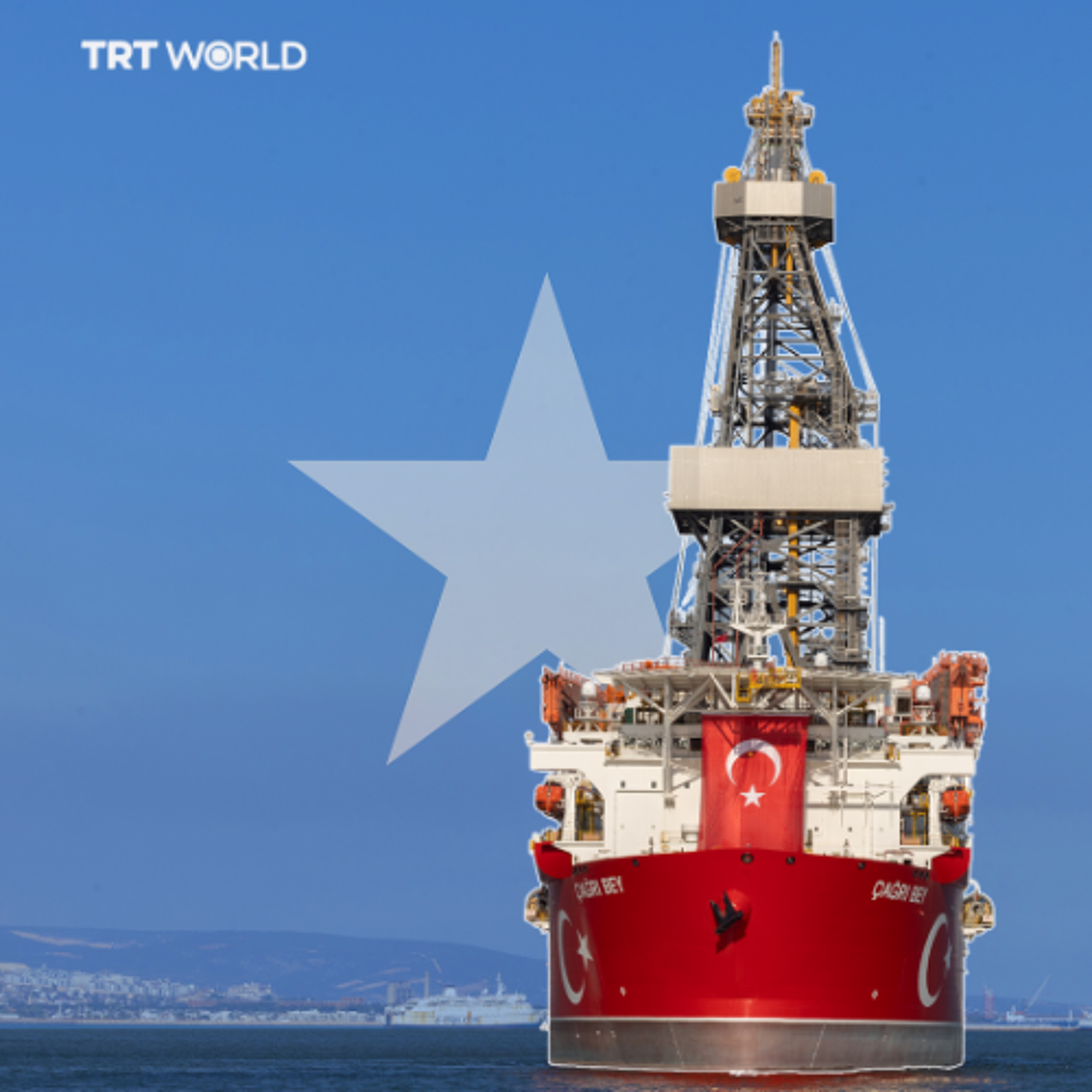
How Türkiye–Somalia’s oil drilling partnership marks a new era of change
Türkiye’s first overseas deep-sea drilling mission in Somalia could reshape not just energy markets, but geopolitics in the Horn of Africa. How did Türkiye build the capacity to get here? And can Somalia turn oil into long-term stability?
Host/Producer: Afzal Ahmed
Craft Editor: Khaled Selim
Executive Producer: Afzal Ahmed
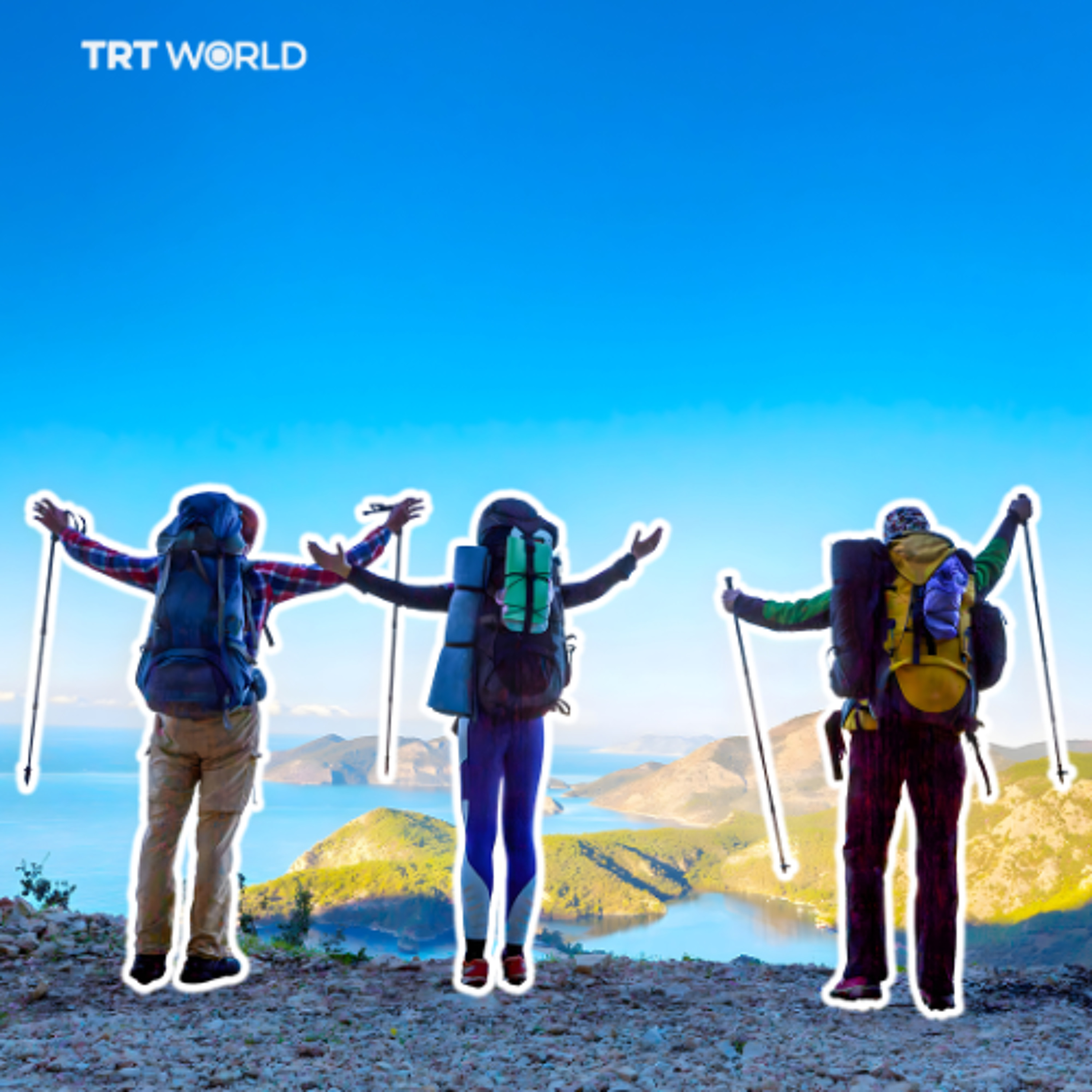
Why the world’s most beautiful hiking trail is life-changing?
Türkiye’s month-long Mediterranean Lycian Way hiking trail’s real magic isn’t defined by its turquoise lagoons, ancient ruins, or cliff-top views—it’s the quiet, life-changing personal transformation that unfolds with every step
Host/Producer: Afzal Ahmed
Craft Editor: Khaled Selim
Executive Producer: Afzal Ahmed
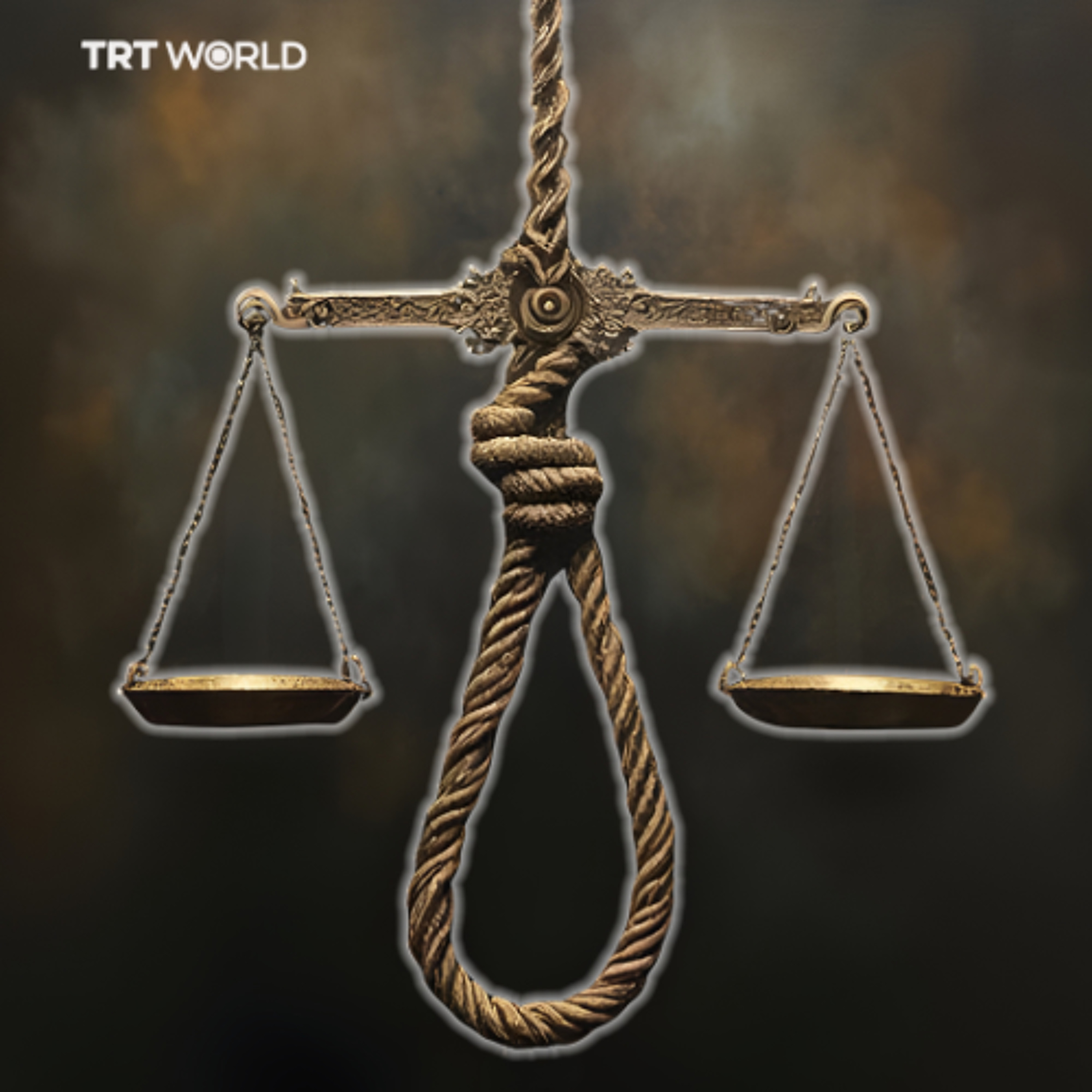
How Israel’s death penalty law deepens apartheid
Israel’s new death penalty law is seen by critics as deepening the apartheid system in place for decades - reinforcing legal inequalities that privilege Jewish citizens while targeting Palestinians, prompting widespread international condemnation
Host/Producer: Afzal Ahmed
Craft Editor: Khaled Selim
Executive Producer: Afzal Ahmed
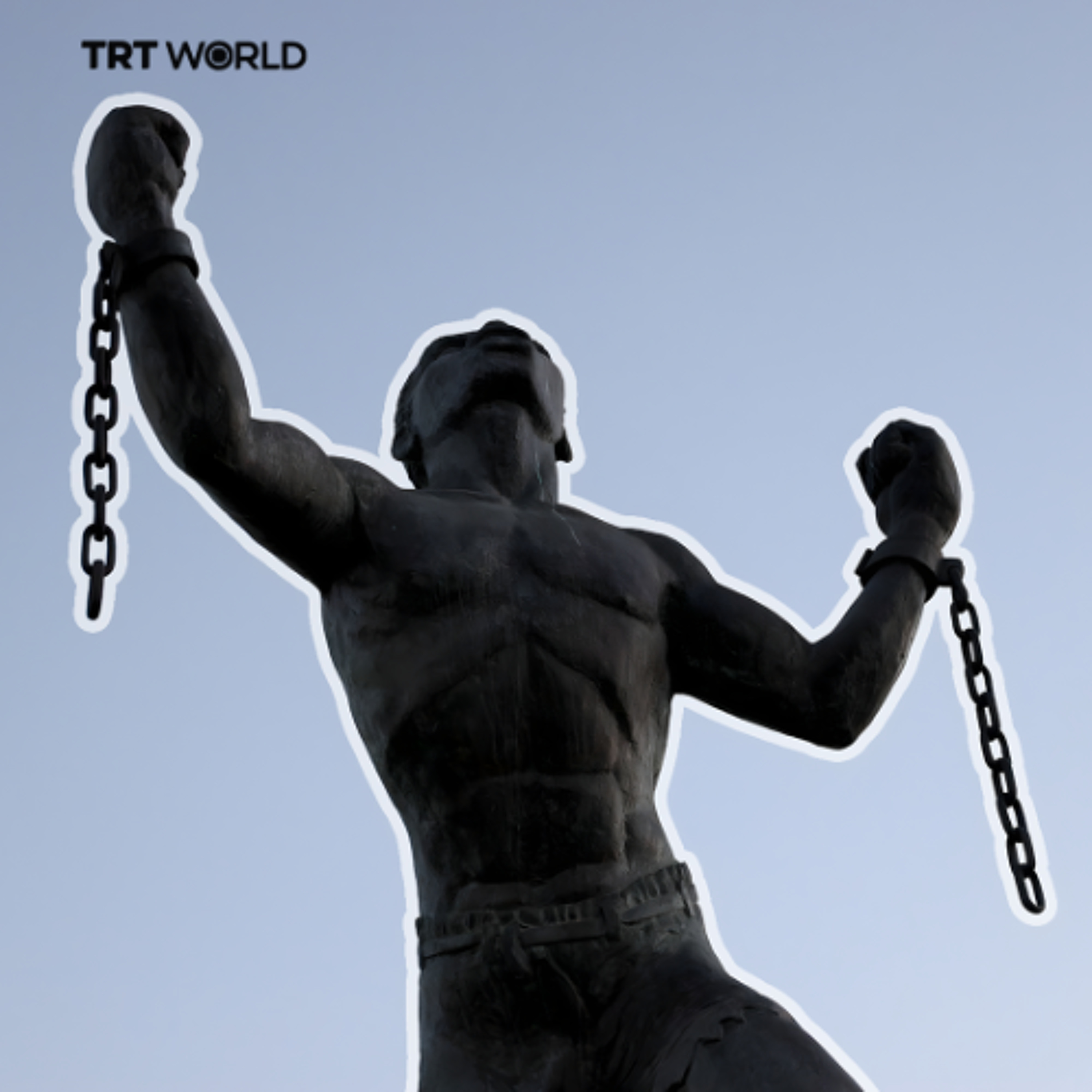
What does the world owe after 400 years of slavery?
A historic UN vote reignited a long-standing debate: should former slave-trading nations apologise and pay reparations? We explore the Transatlantic Slave Trade’s lasting impacts and why calls for justice persist yet still resisted
Host/Producer: Afzal Ahmed
Craft Editor: Khaled Selim
Executive Producer: Afzal Ahmed
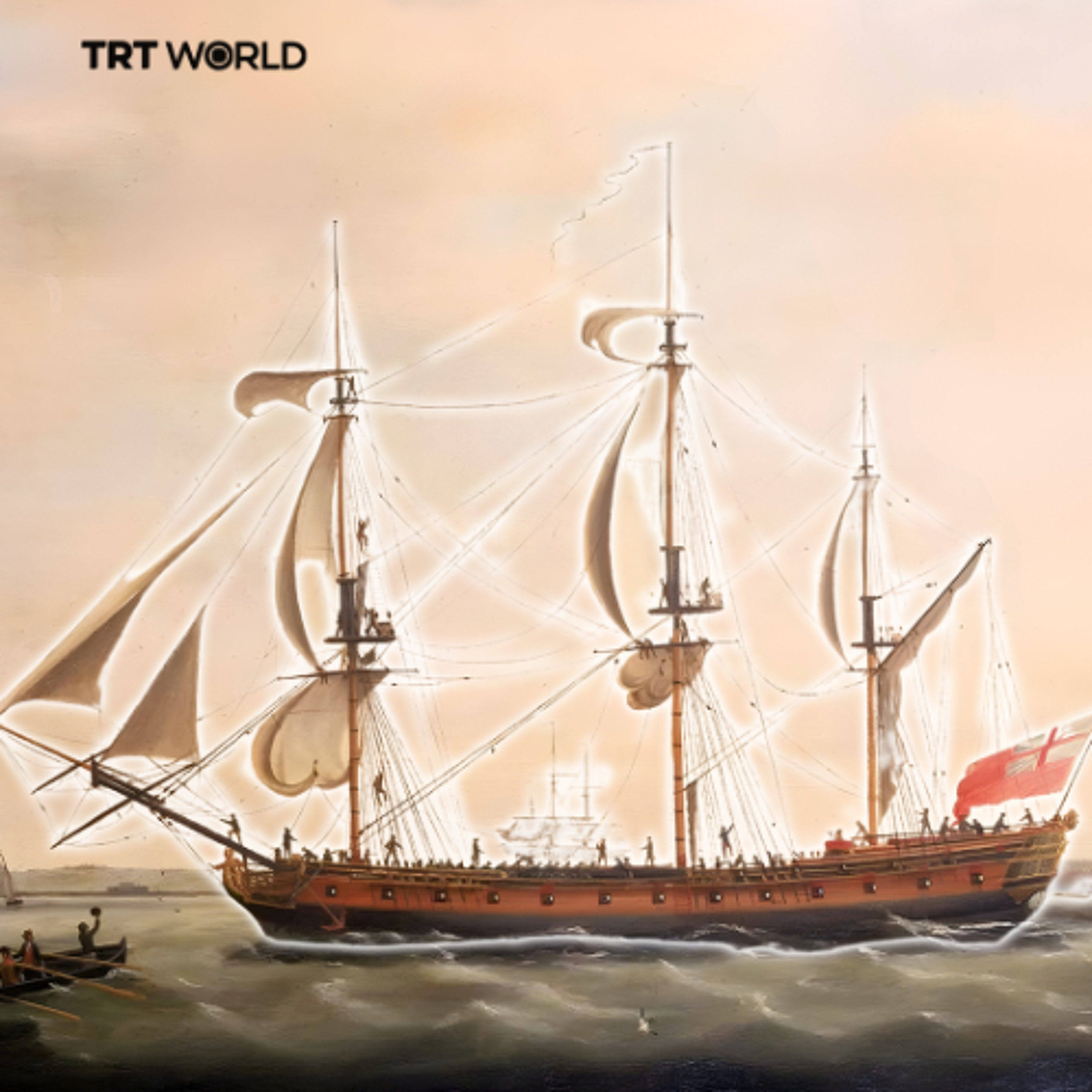
The end of the East India Company that ruled as a state
The East India Company once ruled British India with its own army and tax system. Centuries later, its revived luxury brand has gone bankrupt. We explore how a trading firm became an empire in its own right and reshaped global capitalism.
Host/Producer: Afzal Ahmed
Craft Editor: Khaled Selim
Executive Producer: Nasra Omar Bwana
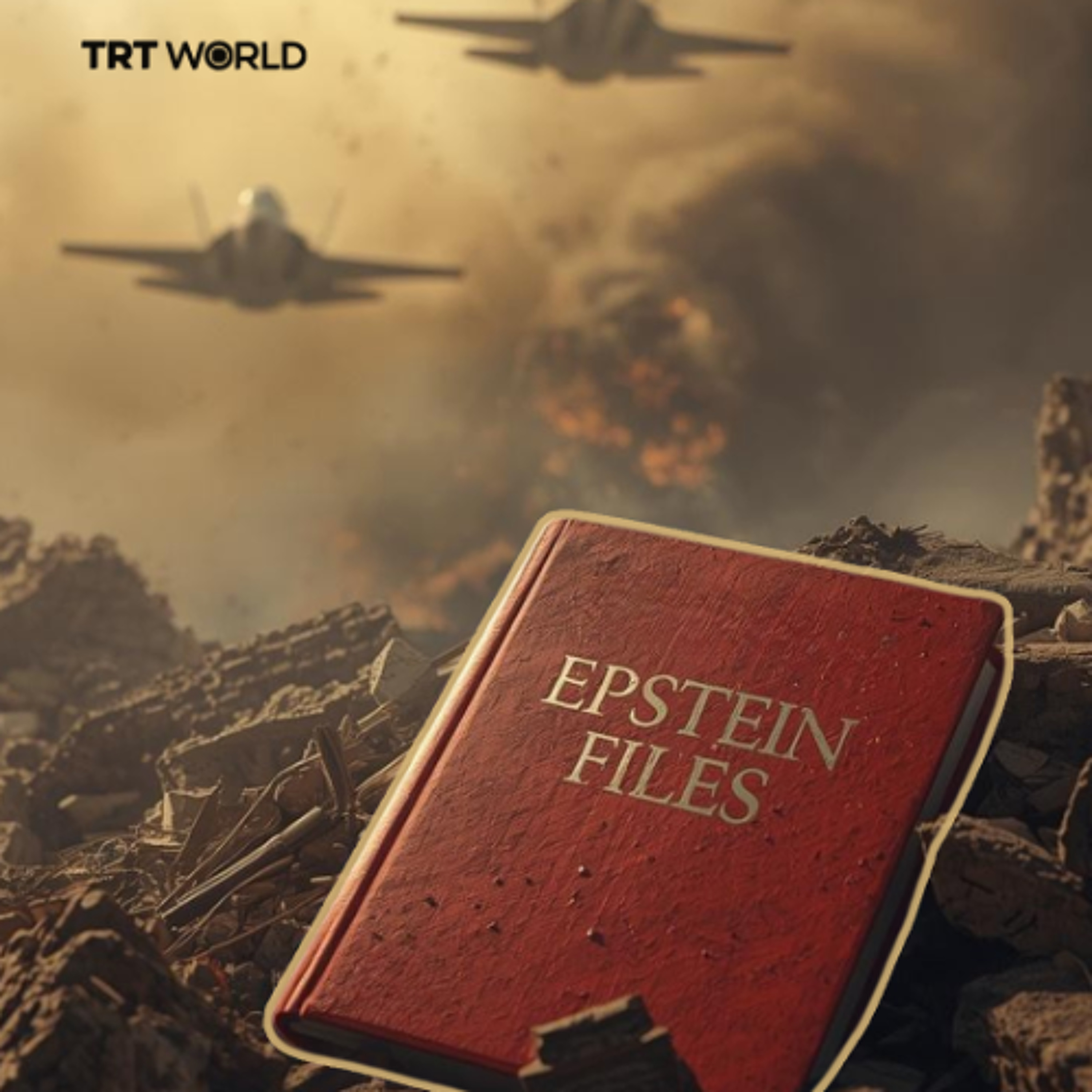
How the war on Iran shifted attention from the Epstein files?
At the height of global attention on the release of the Epstein files, the spotlight abruptly shifted as the US-Israeli war on Iran began. Was its timing a coincidence or a calculated diversionary war move?
Host/Producer: Afzal Ahmed
Craft Editor: Khaled Selim
Executive Producer: Nasra Omar Bwana
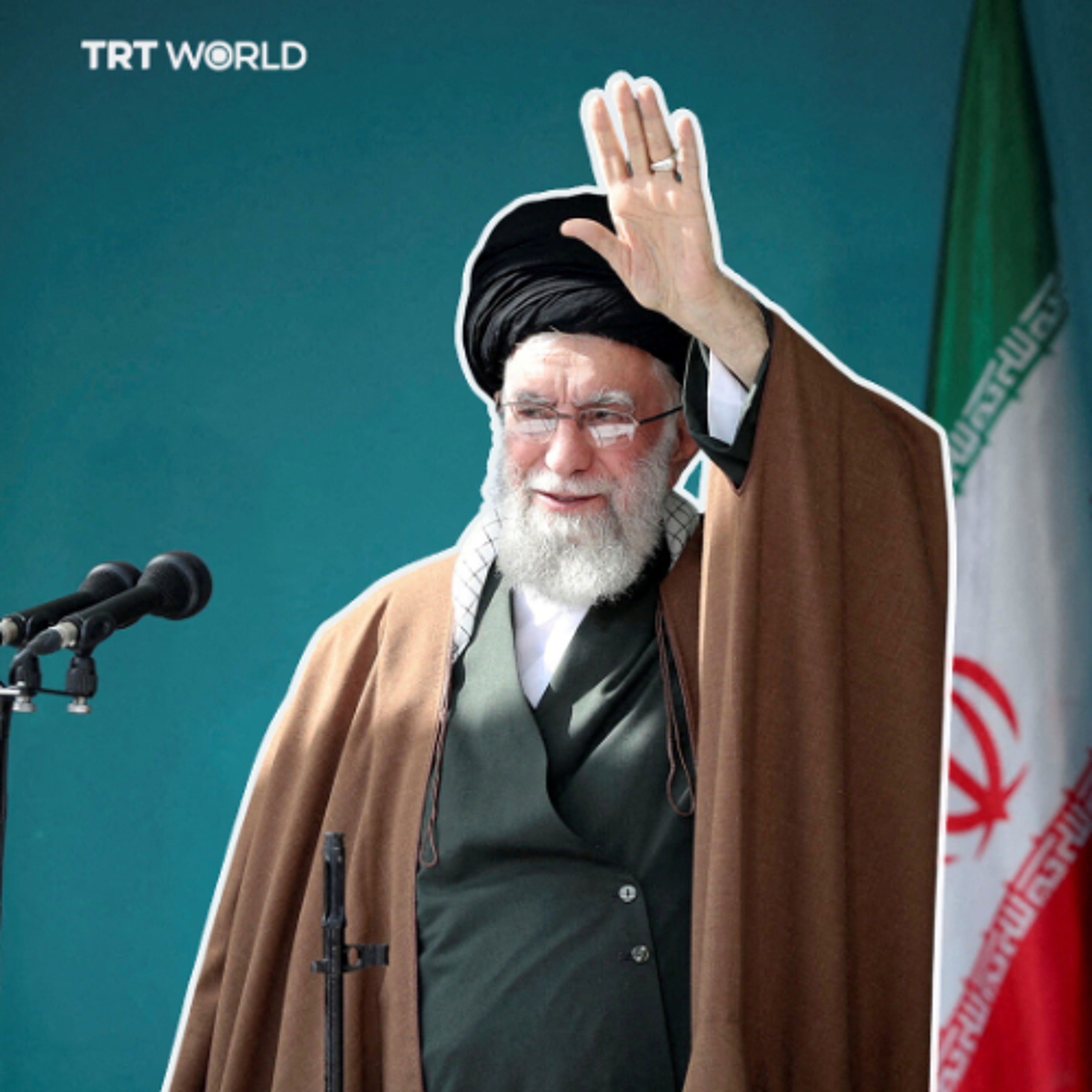
Has the killing of Ali Khamenei opened a Pandora’s box?
After WWII, world leaders were largely off limits in conflict. But the killing of Iran’s Supreme Leader Ali Khamenei has raised a troubling question: has the global taboo on targeting leaders collapsed, and what might it mean for the world?
Host/Producer: Afzal Ahmed
Craft Editor: Khaled Selim
Executive Producer: Nasra Omar Bwana
Why this Ramadan is a month of grief for Gazans
Ramadan in Gaza once meant crowded mosques, lantern-lit streets and family laughter. But after years of genocidal war, tens of thousands dead and a fragile ceasefire, the holy month arrives amid rubble, grief, and hunger
Host/Producer: Afzal Ahmed
Craft Editor: Khaled Selim
Executive Producer: Nasra Omar Bwana
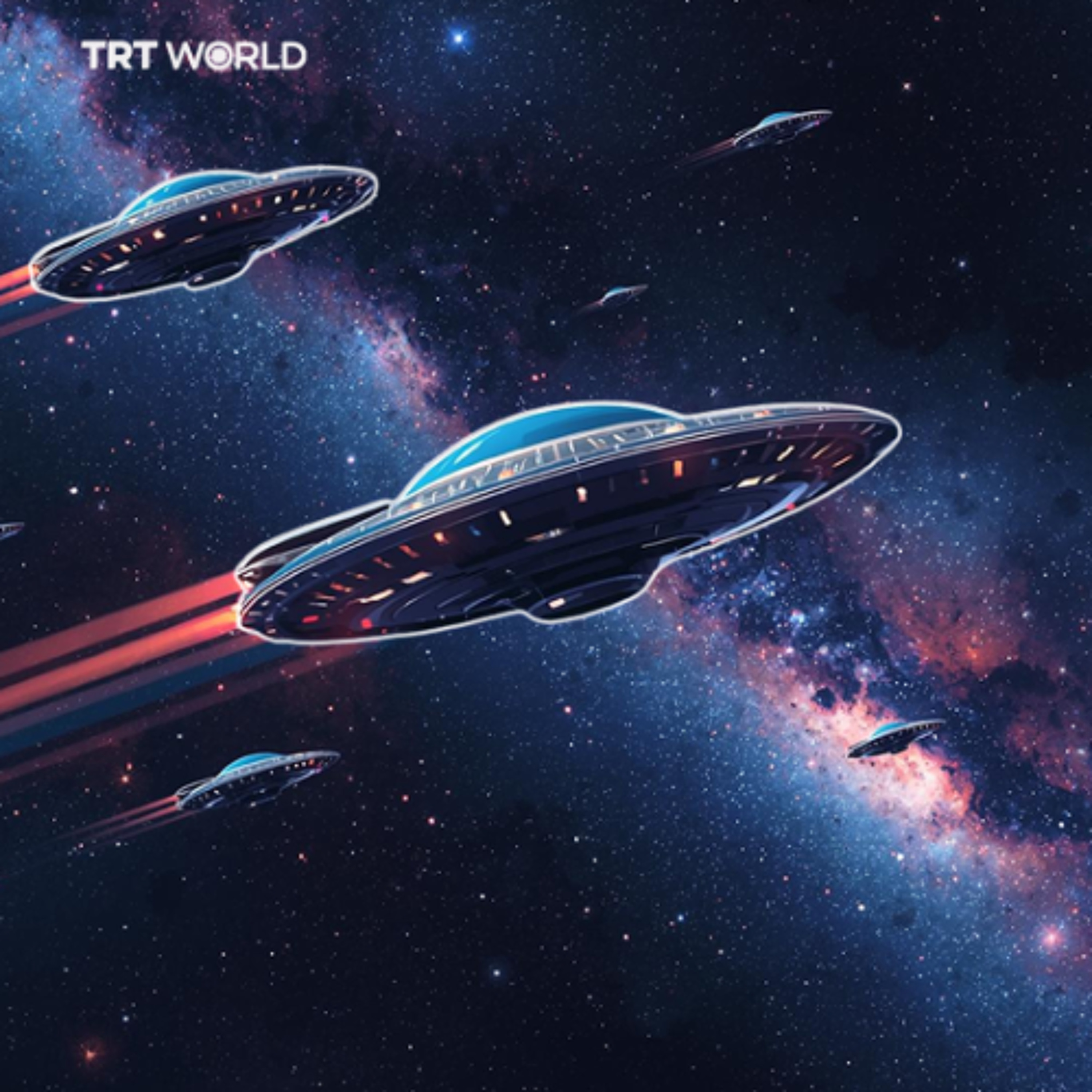
Why the alien question won’t go away
After the US announced the release of all government files related to UFOs and extraterrestrial life, global curiosity has reignited. From Roswell to Area 51, what do we actually know about life beyond Earth, and what remains pure speculation?
Host/Producer: Afzal Ahmed
Craft Editor: Khaled Selim
Executive Producer: Nasra Omar Bwana

Why do we trust gold so much?
Political uncertainty is shaking global markets. In turbulent times, investors turn to gold. But why does it thrive during a crisis? This episode explores gold’s role as a safe haven, an inflation hedge, and a symbol of trust when confidence erodes
Host/Producer: Afzal Ahmed
Craft Editor: Khaled Selim
Executive Producer: Nasra Omar Bwana
Can space solve AI’s energy problem?
As artificial intelligence drives global demand for computing power, tech giants are hitting hard limits on Earth - from immense strain on power grids to soaring water use. Now, a radical idea is gaining momentum: moving data centres into orbit
Host/Producer: Afzal Ahmed
Craft Editor: Khaled Selim
Executive Producer: Nasra Omar Bwana
Can Bangladesh break with its past?
Bangladesh heads to the polls for the first time since longtime leader Sheikh Hasina’s fall in 2024. After decades of coups, dynastic rivalry and authoritarian rule, analysts see the vote as a possible democratic reset
Host/Producer: Afzal Ahmed
Craft Editor: Khaled Selim
Executive Producer: Nasra Omar Bwana
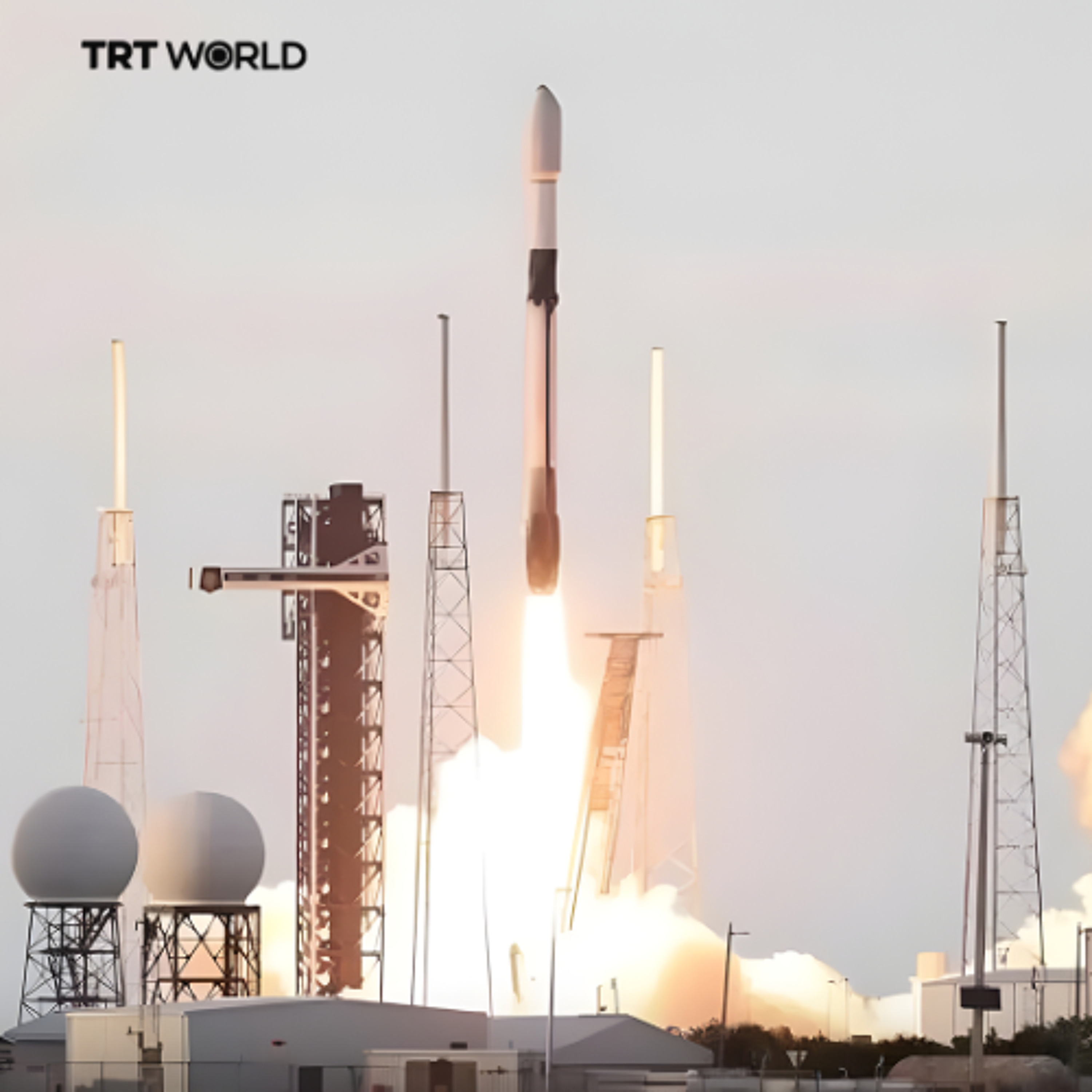
Why Türkiye’s plan to build Somalia spaceport marks a new milestone
Türkiye is building a space launch facility in Somalia, aiming to overcome global launch bottlenecks and gain strategic autonomy in orbit as the space economy heads towards a projected $1.8 trillion future
Host/Producer: Afzal Ahmed
Craft Editor: Khaled Selim
Executive Producer: Nasra Omar Bwana
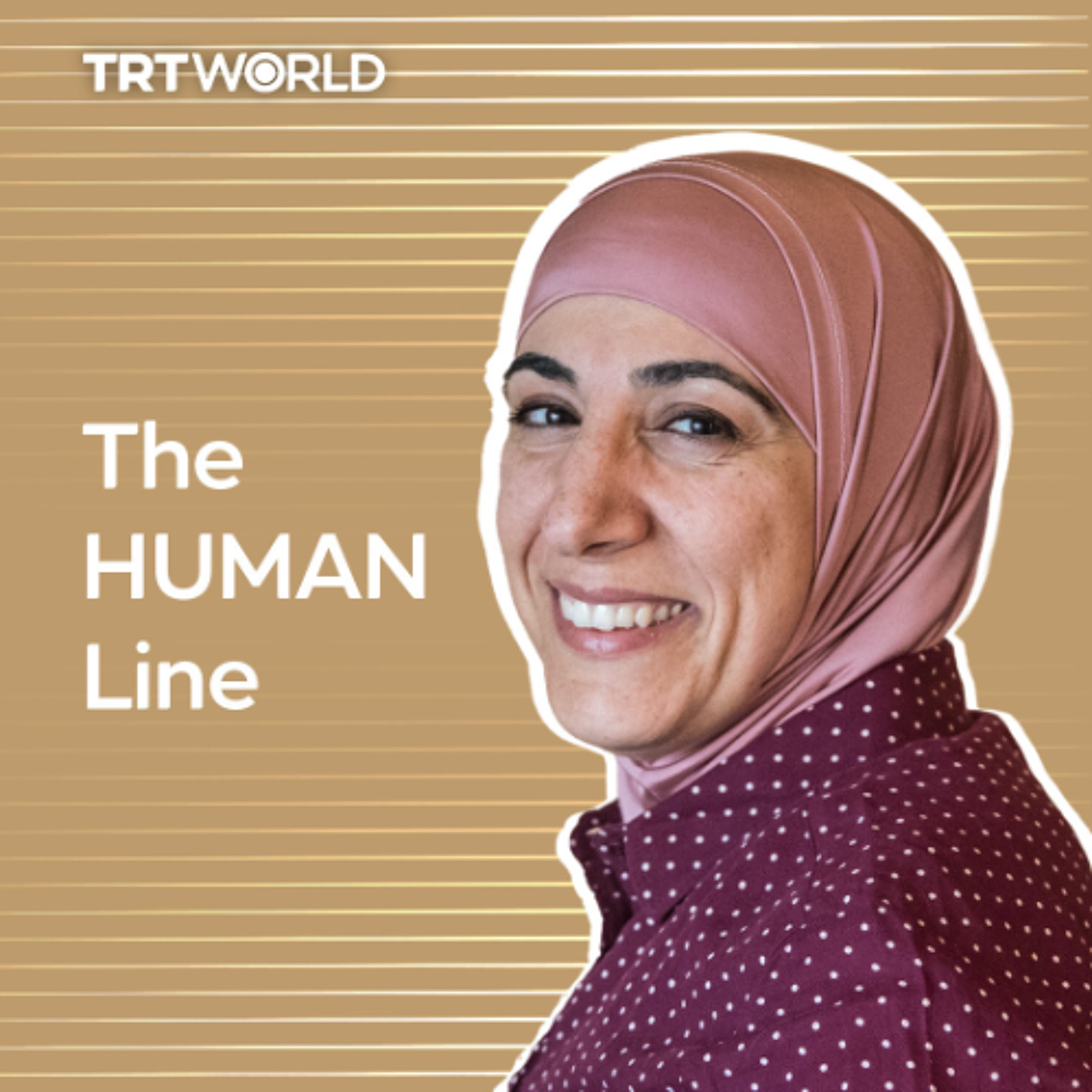
Why Western mental health practice fails in Palestine | The HUMAN Line
Palestinian psychiatrist Dr. Samah Jabr reflects on mental health under occupation, where trauma is ongoing and safety is never guaranteed. She challenges Western models of care and explores agency, collective healing, and resistance in Palestine.
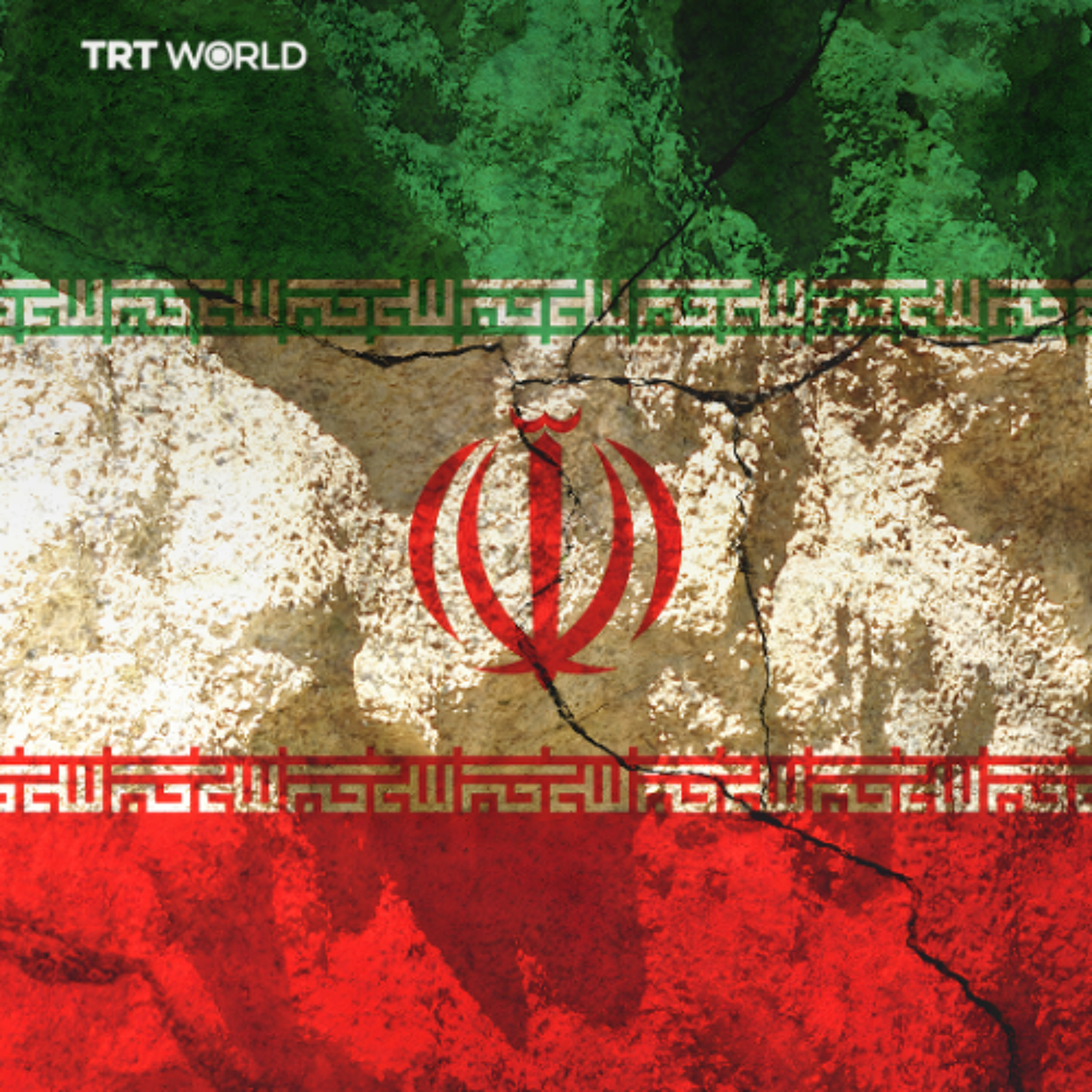
Why Iran’s latest protests feel different?
Iran’s protests began with economic collapse but quickly turned into a deeper challenge to political legitimacy. Unfolding after war, amid elite fractures and foreign pressure, they signal a more fragile and uncertain phase ahead.
Host/Producer: Afzal Ahmed
Craft Editor: Khaled Selim
Executive Producer: Nasra Omar Bwana
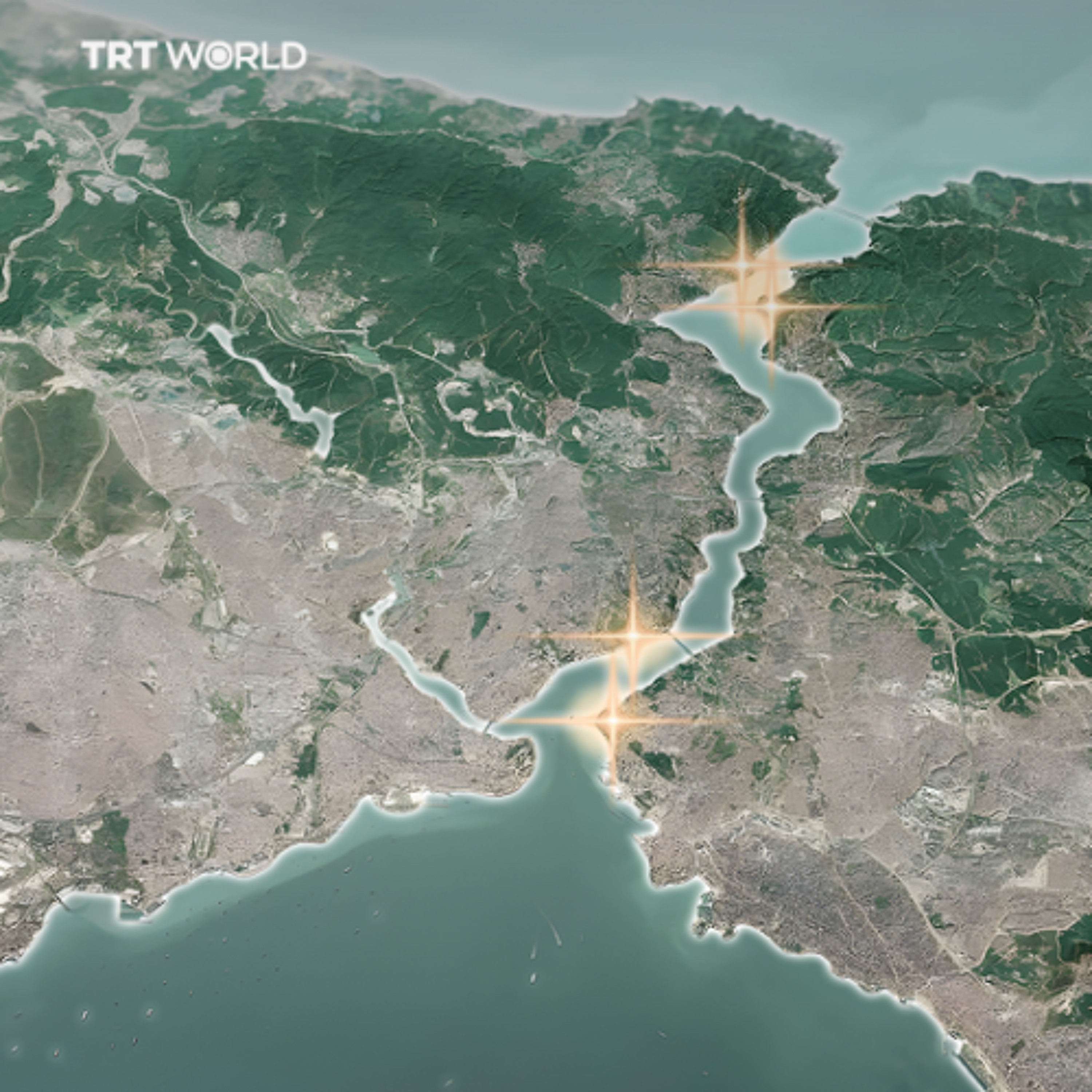
Guardians of Istanbul: The four sacred watchers of the Bosphorus
For centuries, Istanbulites have believed that four sacred figures watch over the Bosphorus. From dawn prayers to ship horn salutes, their tombs form a spiritual map that continues to shape daily life in the mega-city
Host/Producer: Afzal Ahmed
Craft Editor: Khaled Selim
Executive Producer: Nasra Omar Bwana
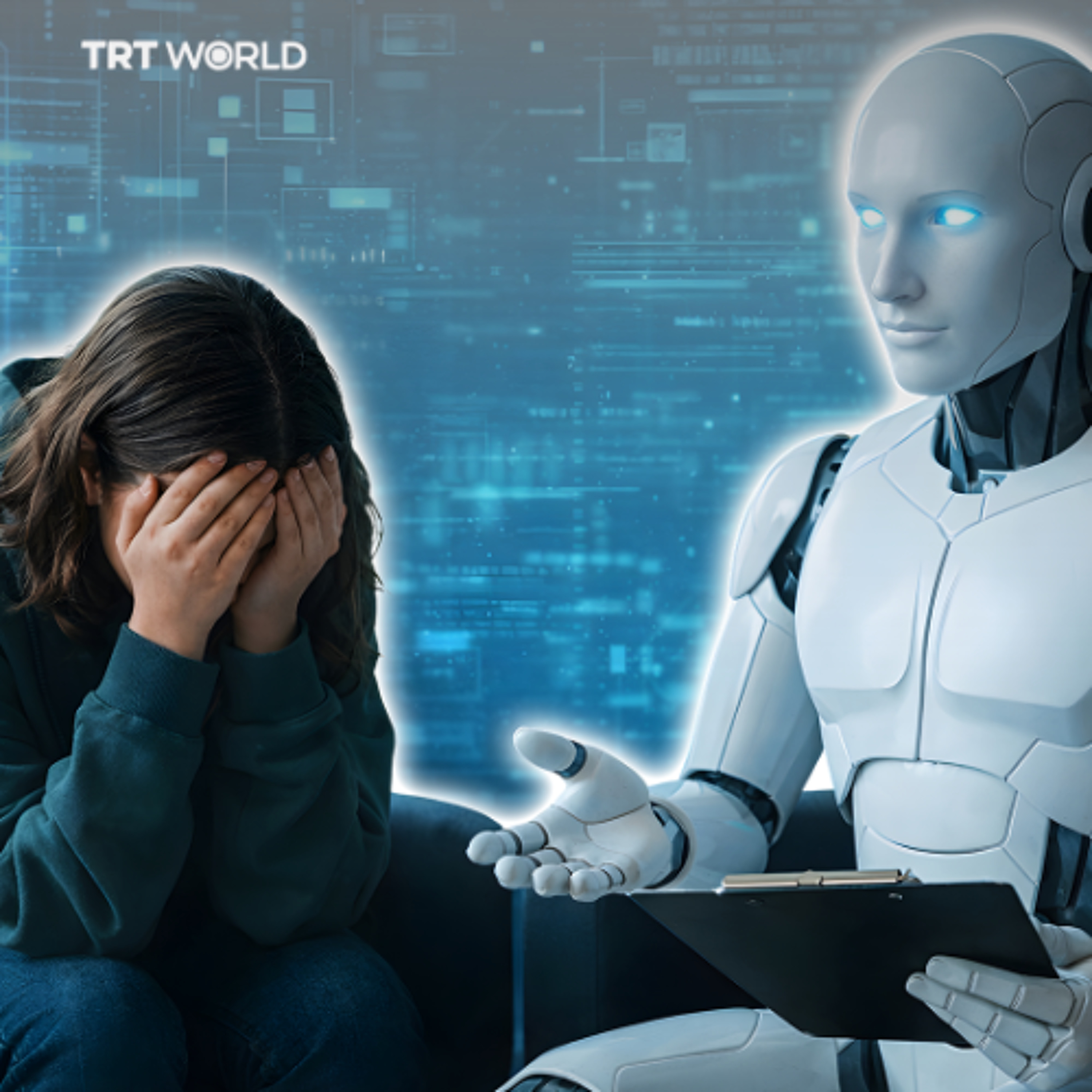
Why are teens turning to AI for therapy?
Around the world, teenagers and even adults are turning to AI chatbots as if they were therapists. Why are people turning to AI for emotional support and why are experts warning that this illusion of empathy poses a danger.
Host/Producer: Afzal Ahmed
Craft Editor: Khaled Selim
Executive Producer: Nasra Omar Bwana
2025: The year AI changed the world
When historians look back at 2025, AI may stand out as the year’s defining global force. It quietly embedded itself into power, economies and everyday workflows. We explore the five shifts that stopped AI being the future - and became the present.
Host/Producer: Afzal Ahmed
Craft Editor: Khaled Selim
Executive Producer: Nasra Omar Bwana
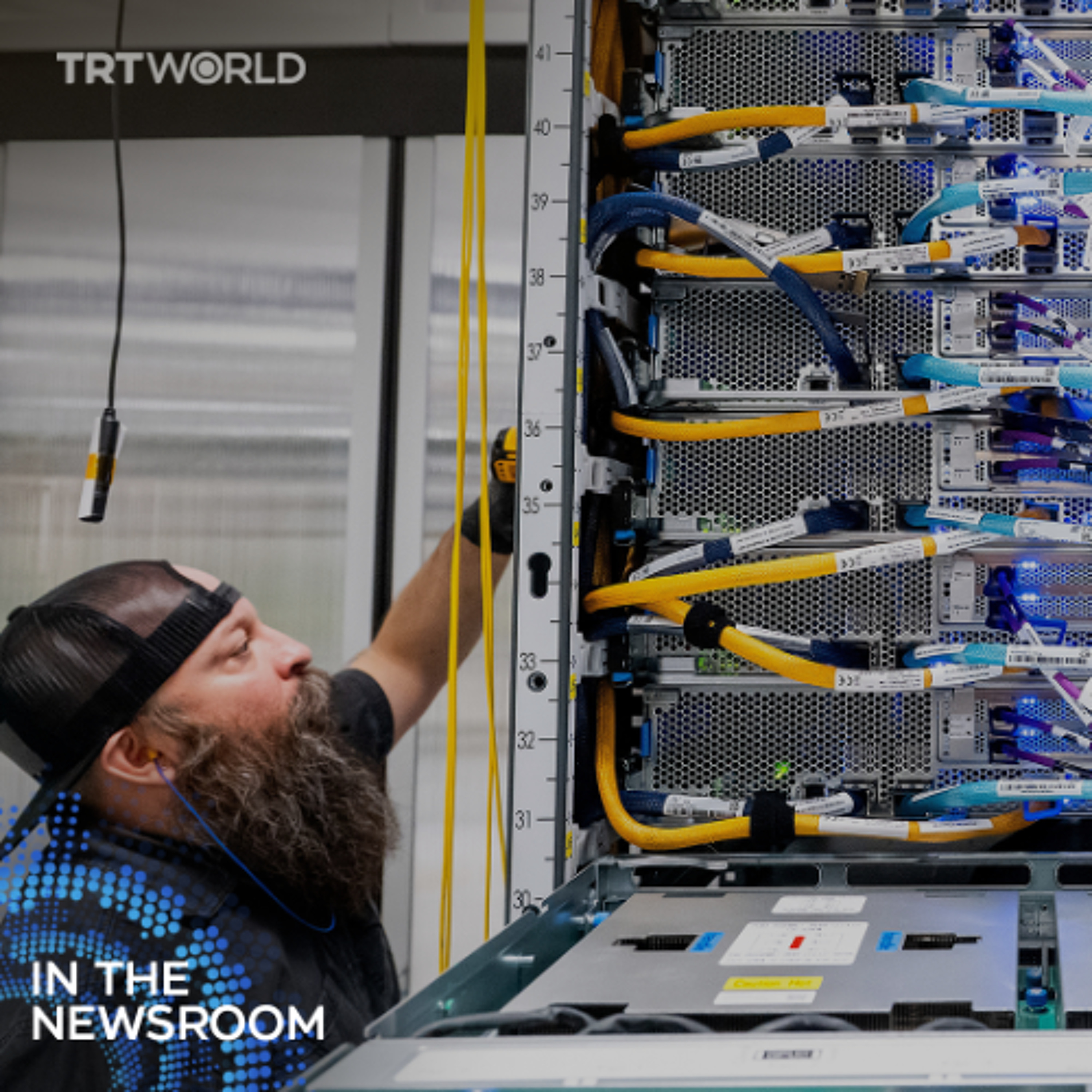
When codes rule the world
Software underpins everything from hospitals to global air travel, yet a single glitch can ripple worldwide. In this episode, we discuss how interconnected systems amplify risk and what organisations can do to stop failures becoming systemic crises.
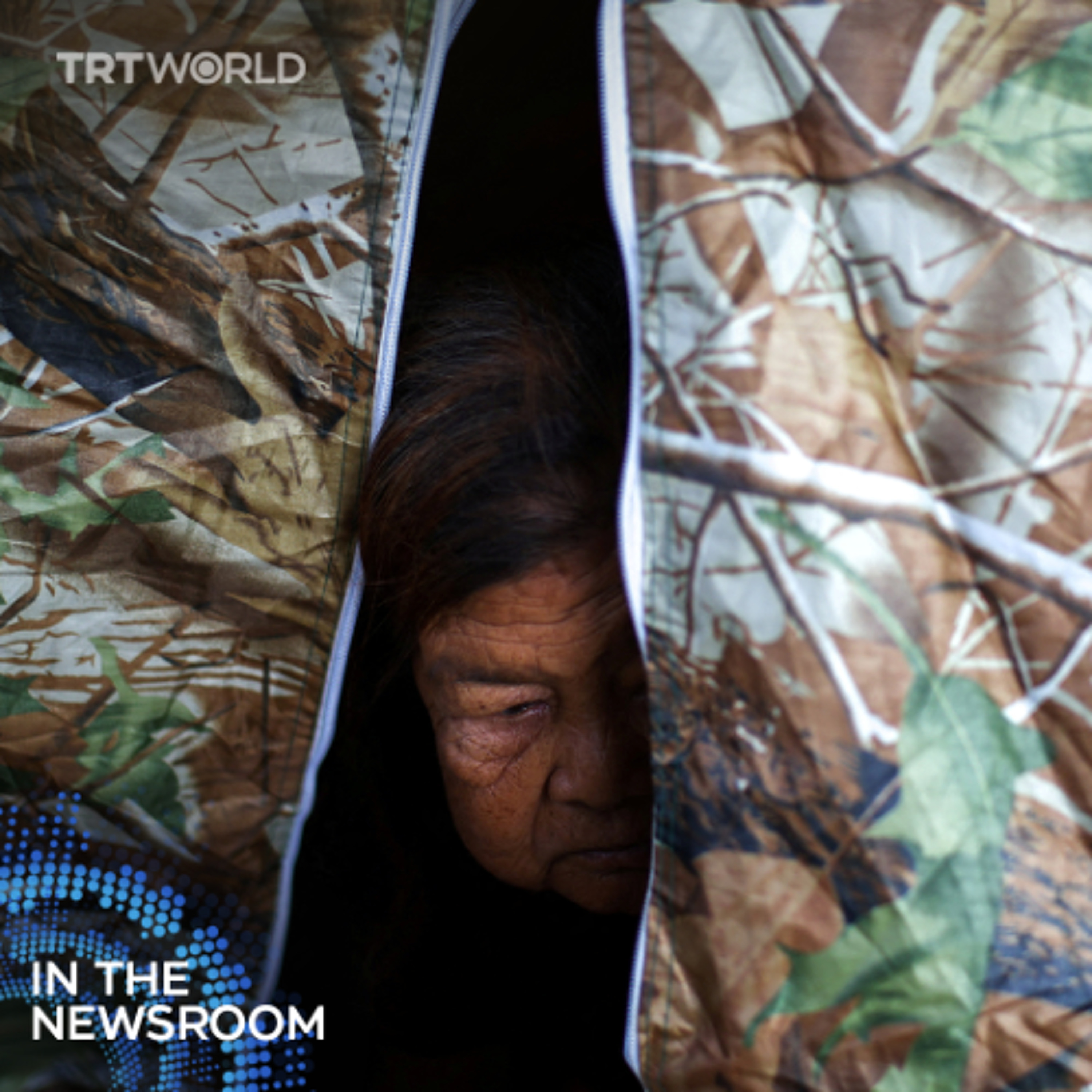
Thailand-Cambodia conflict explained
Renewed fighting along the Thai–Cambodian border has displaced hundreds of thousands and revived a dispute rooted in colonial-era maps and contested history. In this episode, we discuss why ceasefires keep collapsing and how nationalist narratives shape public opinion.
Host/Producer: Ezgi Toper
Guest: Dr. Pongkwan Sawasdipakdi
Craft Editor: Nasrullah Yilmaz
Production Team: Afzal Ahmed, Ahmet Ziy
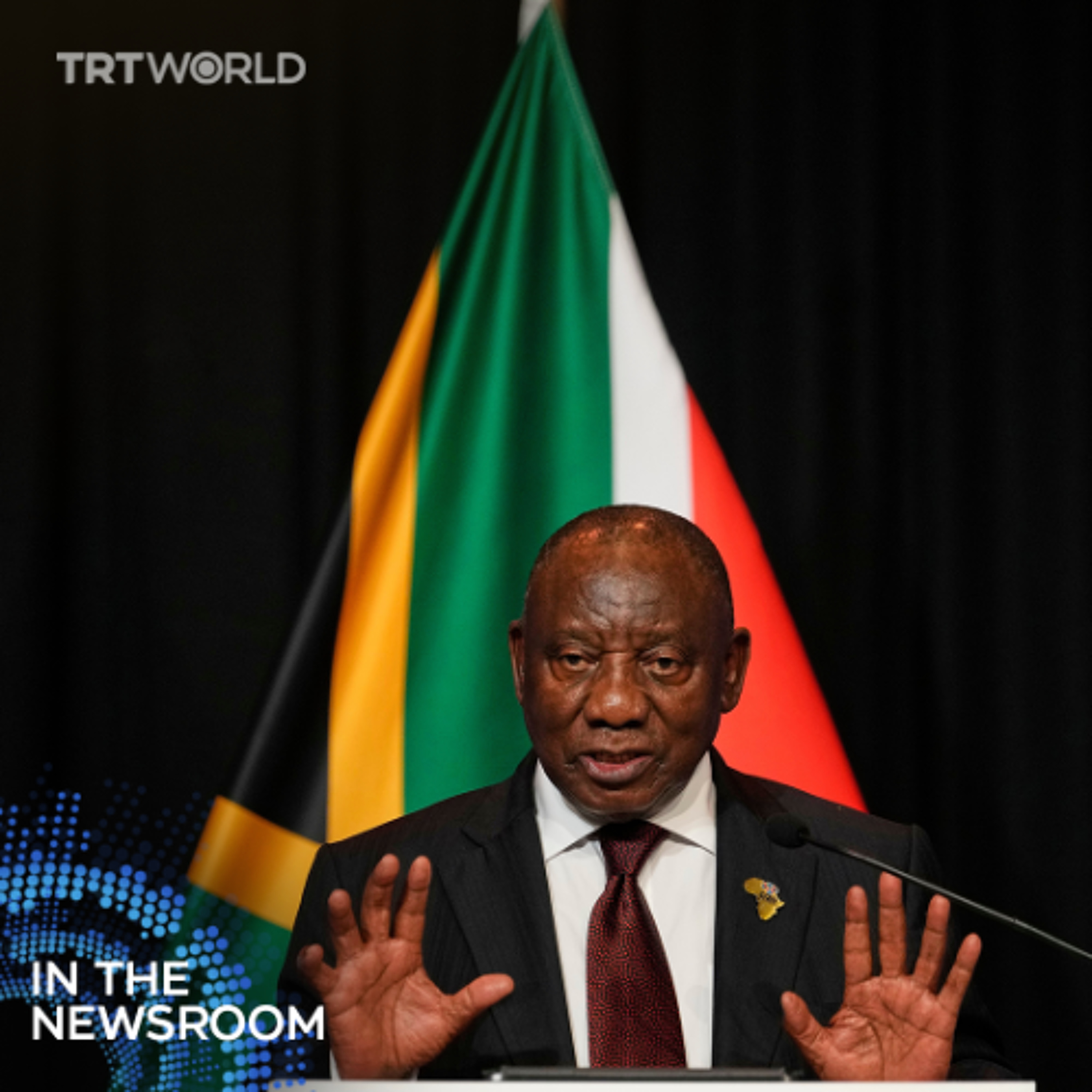
What’s behind Trump’s fight with South Africa?
This episode dives into the escalating rift between the United States and South Africa after US President Donald Trump skipped the G20 summit in Johannesburg and moved to bar Pretoria from attending next year’s summit in Miami.
Host/Producer: Ezgi Toper
Guest: Grace Kuria Kanja
Craft Editor: Nasrullah Yilmaz
Production Team: Afzal Ahmed, Ahmet Ziya Gumus, Mucteba Samil Olmez, Khaled Selim
Executi

Why do phobias scare us so much?
A young African man’s lifelong phobia of buttons reveals how ordinary objects can become overwhelming prisons and why phobias remain some of the most misunderstood human fears
Host/Producer: Afzal Ahmed
Craft Editor: Khaled Selim
Executive Producer: Nasra Omar Bwana
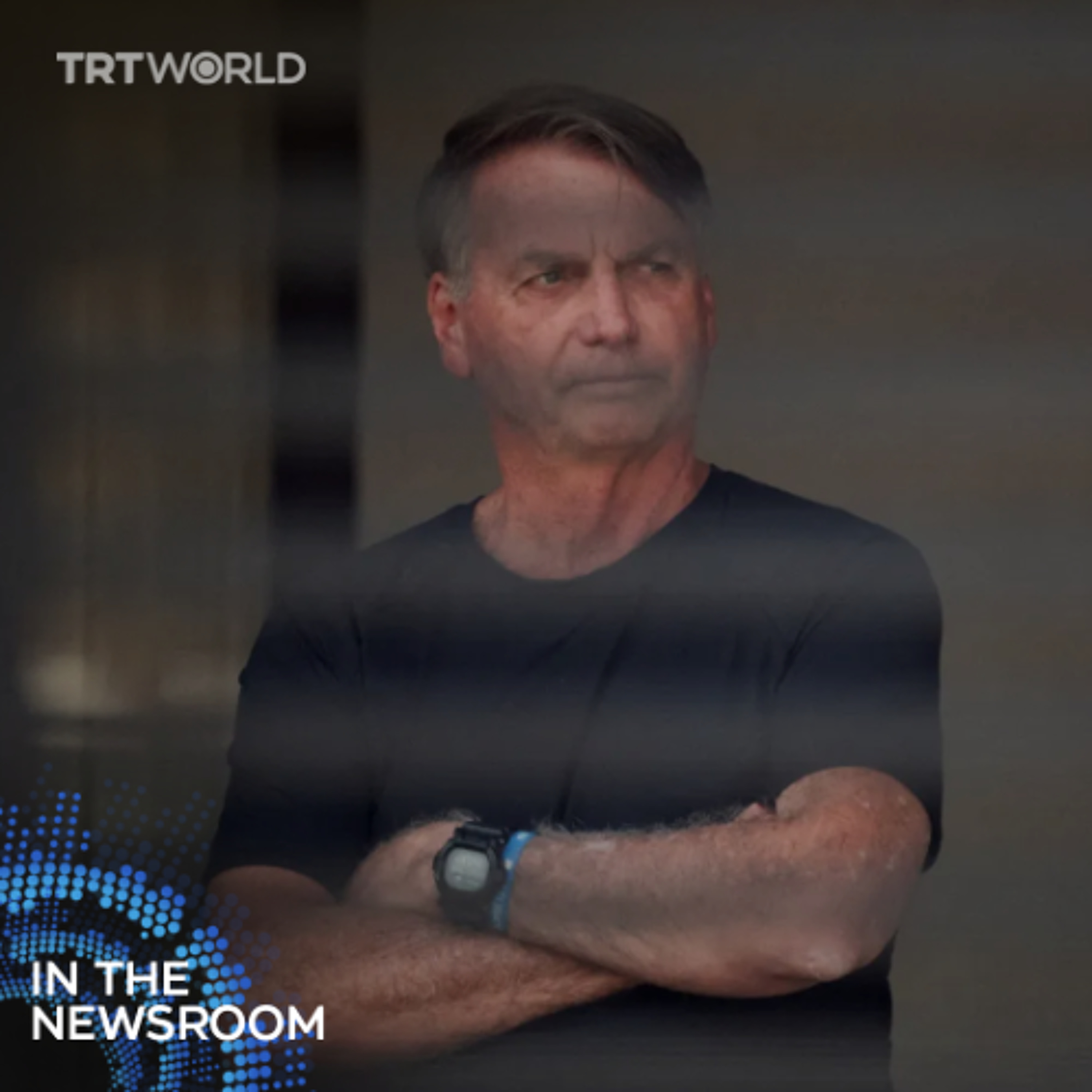
Bolsonaro’s conviction and what it means for Brazil
This episode breaks down how Brazil's former President Jair Bolsonaro was convicted for attempting to overturn Brazil’s 2022 election and explores what his imprisonment means for the country’s political future.
Host/Producer: Ezgi Toper
Guest: Luqman Nieto
Craft Editor: Nasrullah Yilmaz
Production Team: Afzal Ahmed, Ahmet Ziya Gumus, Mucteba Samil Olmez, Khaled Selim Executive Producer: Nasra Oma

What if we stopped posting on social media?
What if we stopped posting on social media?
Episode Description: Is disconnecting the real key to happiness? This episode explores the shift from the fear of missing out to the joy of missing out, revealing how stepping away from social media can reduce stress and help us reconnect with real life
Host/Producer: Afzal Ahmed
Craft Editor: Khaled Selim
Executive Producer: Nasra Omar Bwana
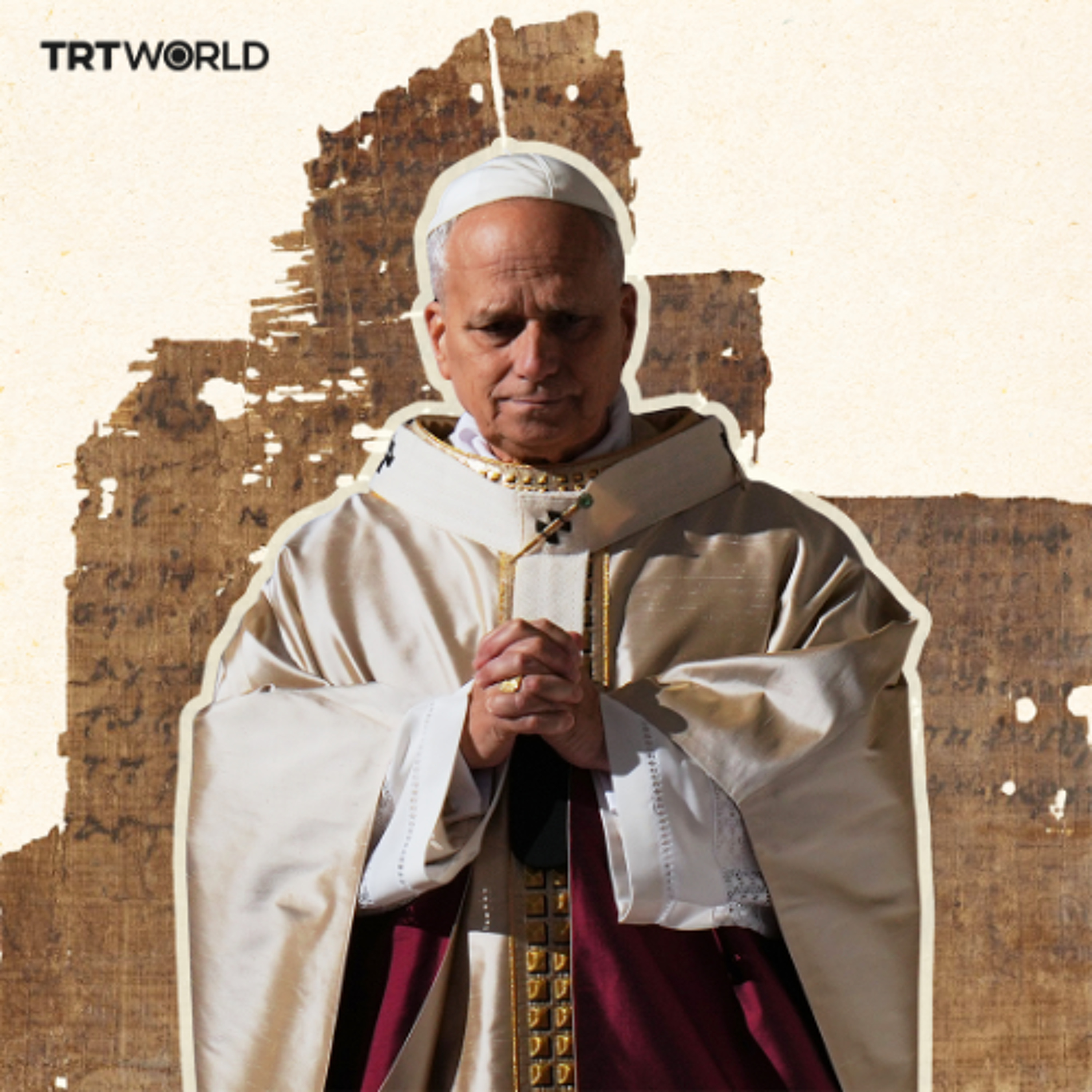
Why the origins of Christianity lead back to Türkiye
Pope Leo XIV’s visit to Türkiye for the 1700th anniversary of the First Council of Nicaea highlights the often forgotten key Anatolian roots of Christianity and its lasting global influence
Host/Producer: Afzal Ahmed
Craft Editor: Khaled Selim
Executive Producer: Nasra Omar Bwana
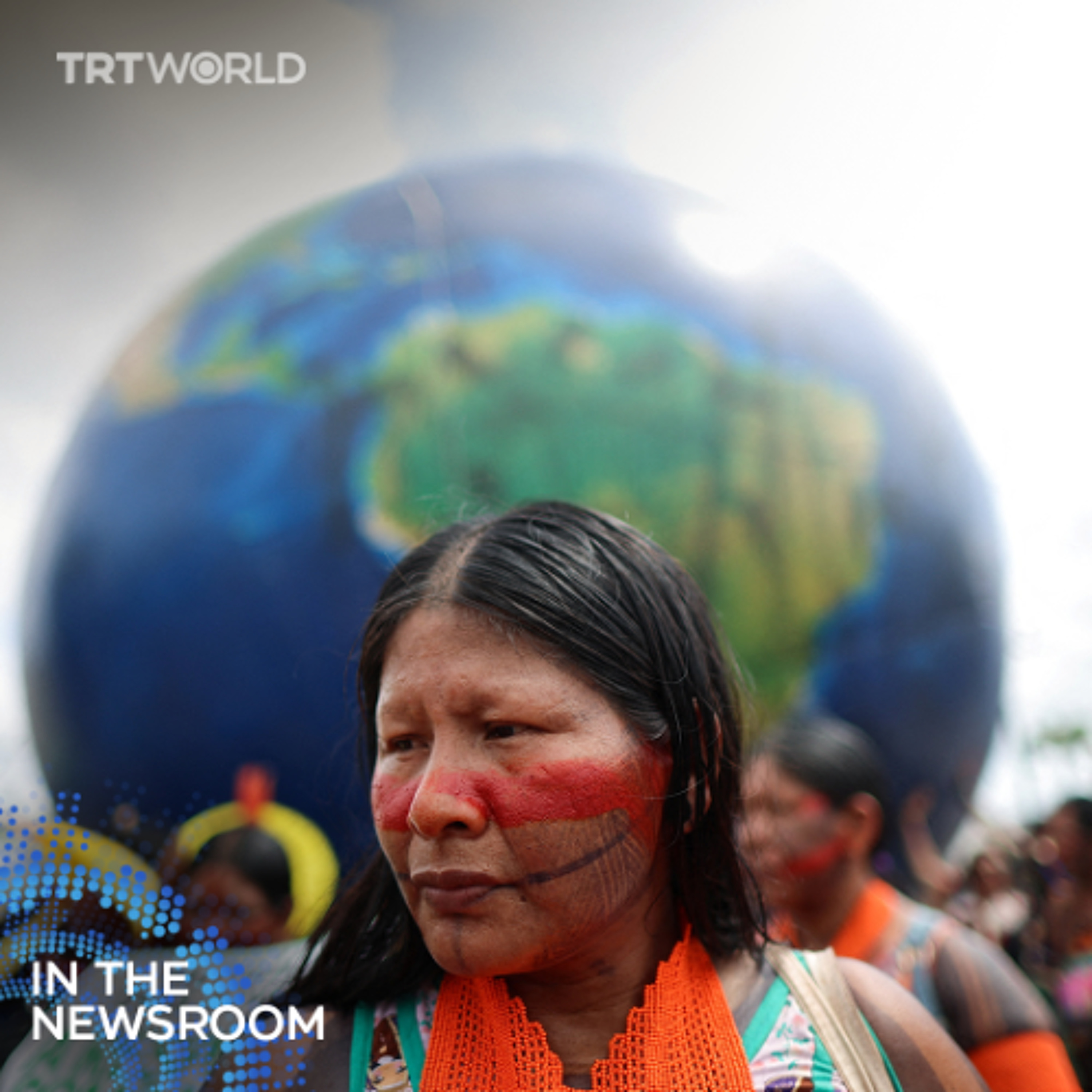
COP30: The Amazon showdown
Reporting directly from COP30 in Belém, Brazil, this episode details the deadlocks over fossil fuel phase-outs and the unfulfilled $1.3 trillion climate finance gap for the Global South
Host/Producer: Ezgi Toper
Guest: Mikail Malik
Craft Editor: Nasrullah Yilmaz
Production Team: Afzal Ahmed, Ahmet Ziya Gumus, Mucteba Samil Olmez, Khaled Selim
Executive Producer: Nasra Omar Bwana
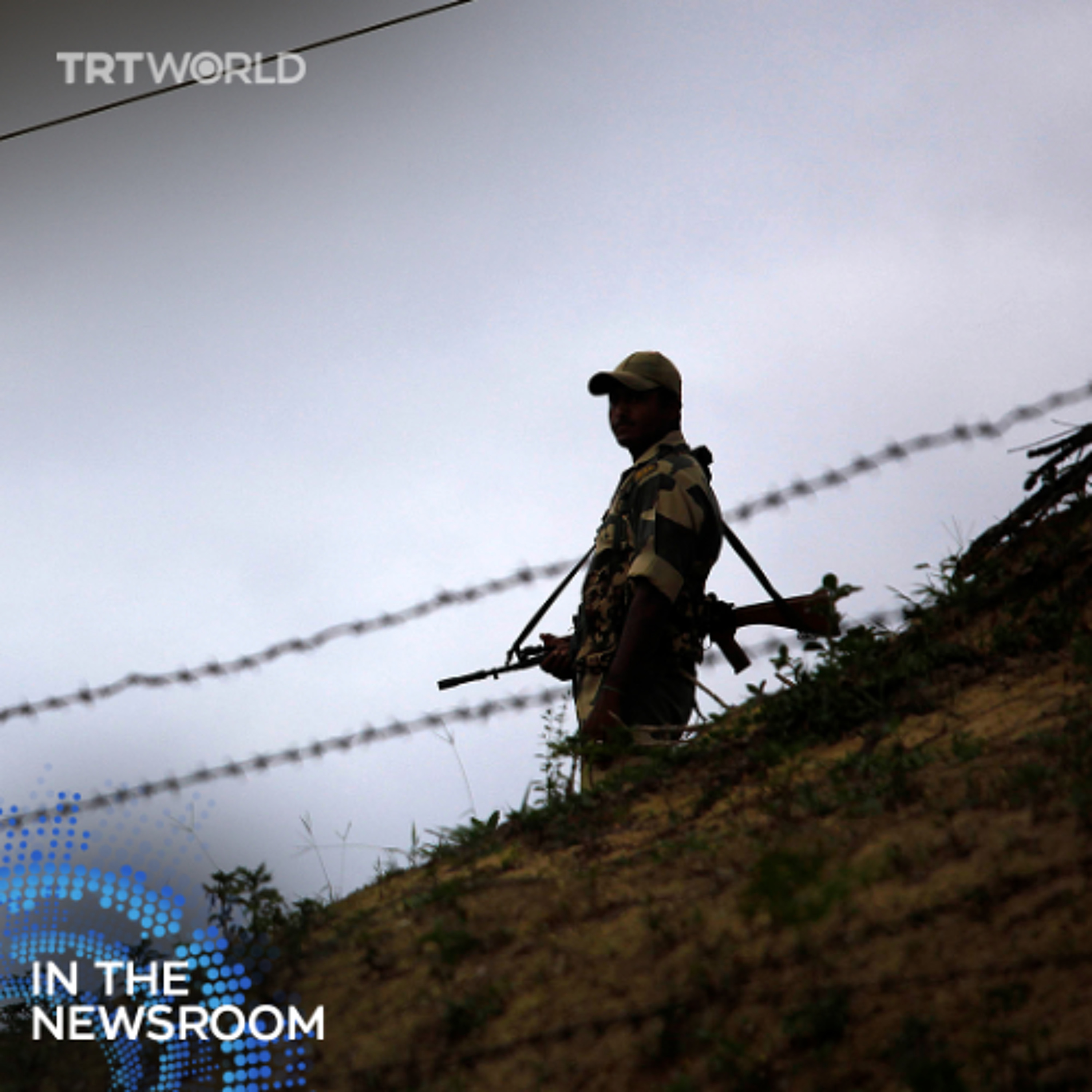
Why is India boosting troops on the Bangladesh border?
India is building up its military presence in the Siliguri Corridor along the Bangladesh border amid shifting regional alliances, and strategic concerns. We explore what’s happening, why it matters, and what it means for the region.
Host: Nasra Omar Bwana
Guest: Umer Bin Ajmal
Craft Editor: Nasrullah Yilmaz
Production Team: Ezgi Toper, Afzal Ahmed, Mucteba Samil Olmez, Khaled Selim
Executive Prod
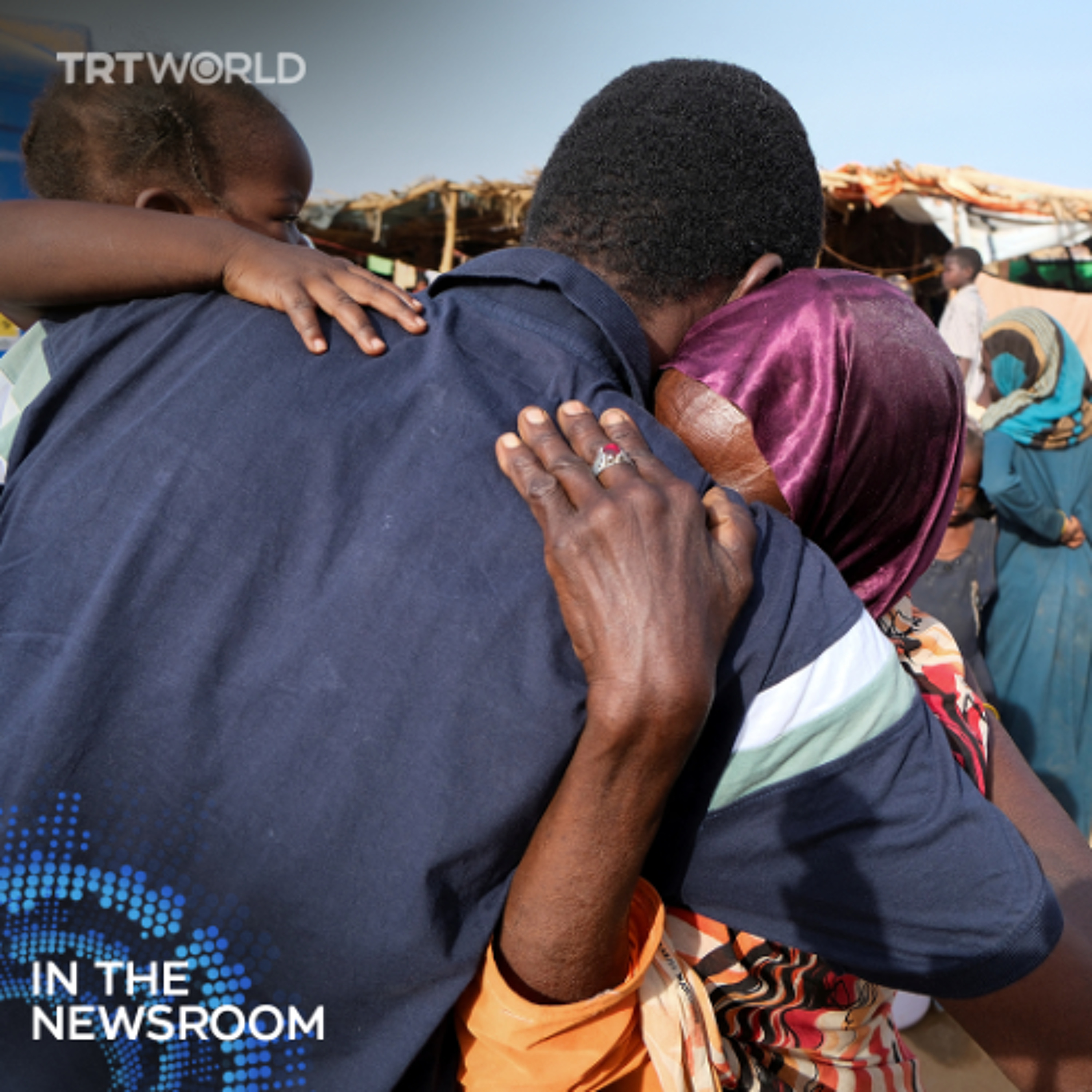
What’s next for Sudan after the fall of Al Fasher?
The capture of Sudan’s Al Fasher by the paramilitary group Rapid Support Forces (RSF) marks a dark turning point in the war, unleashing a wave of atrocities that aid groups call a “true genocide.”
Host/Producer: Ezgi Toper
Guests: Dr. Abdel Malik Elnaeem, Mohammed Alfaki
Craft Editor: Nasrullah Yilmaz
Production Team: Afzal Ahmed, Ahmet Ziya Gumus, Mucteba Samil Olmez, Khaled Selim
Executive Prod
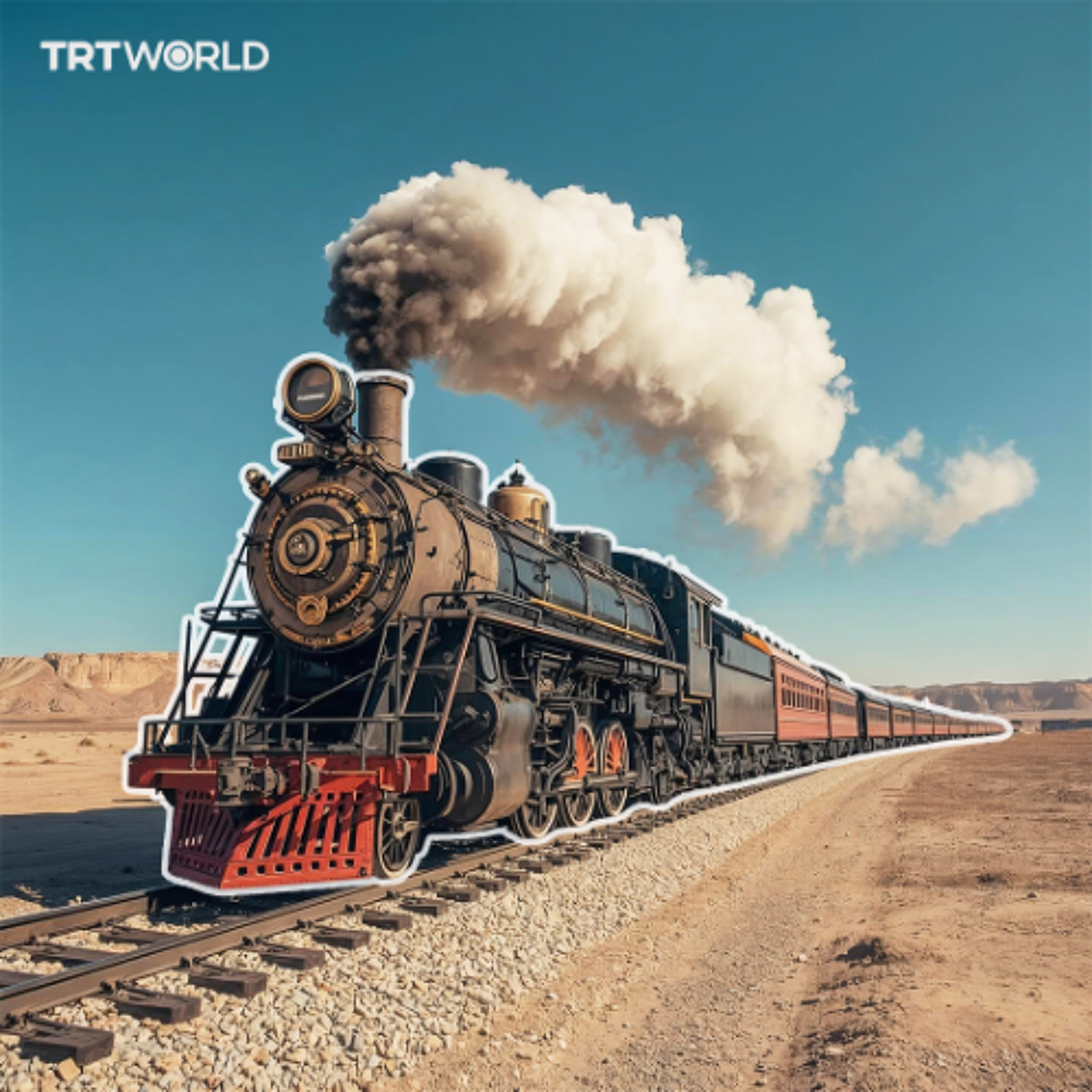
How the Ottoman Hejaz Railway may serve Hajj pilgrims once again
The Hejaz Railway used to transport pilgrims, merchants, and soldiers from Damascus to Medina. Today, Türkiye, Syria, and Jordan are reviving this line. What does this reconnection mean in a world dominated by air travel?
Host/Producer: Afzal Ahmed
Craft Editor: Khaled Selim
Executive Producer: Nasra Omar Bwana

What’s behind Türkiye’s Sports Golden Age?
Turkish athletes are reaching historic heights, from para-sports to volleyball, from gymnastics to shooting. With thousands of medals collected, and viral stars like Yusuf Dikec capturing the world, Türkiye is living through a golden era.
Host/Producer: Afzal Ahmed
Craft Editor: Khaled Selim
Executive Producer: Nasra Omar Bwana
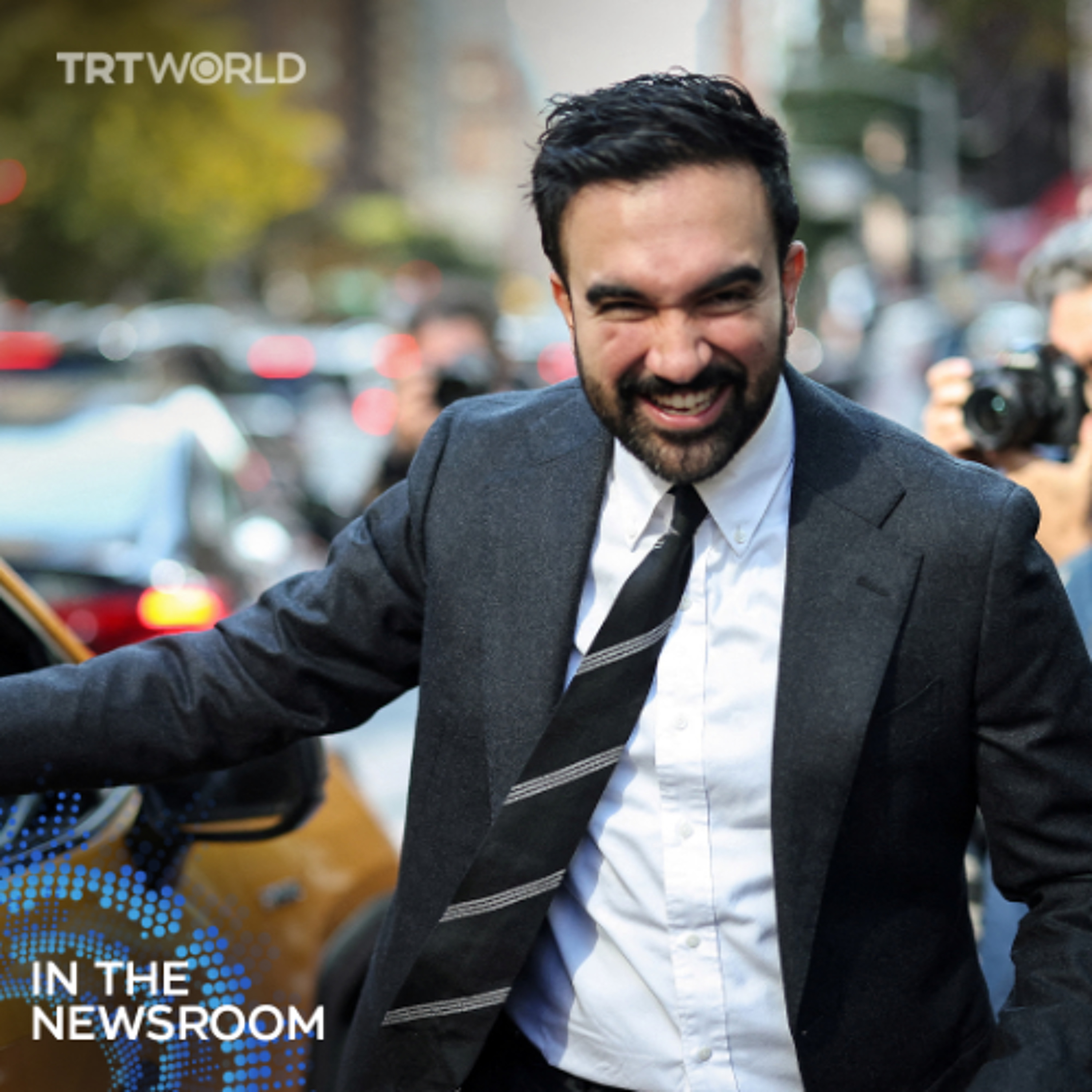
Is Zohran Mamdani redefining US politics?
Zohran Mamdani’s historic rise to become New York City’s Democratic mayoral nominee highlights a new era of politics backed by authenticity, digital engagement and generational change. We explore how identity, grassroots organising, and social media has catapulted his campaign.
Host/Producer: Ezgi Toper
Guest: Mikail Malik
Craft Editor: Nasrullah Yilmaz
Production Team: Afzal Ahmed, Ahmet Ziya Gu
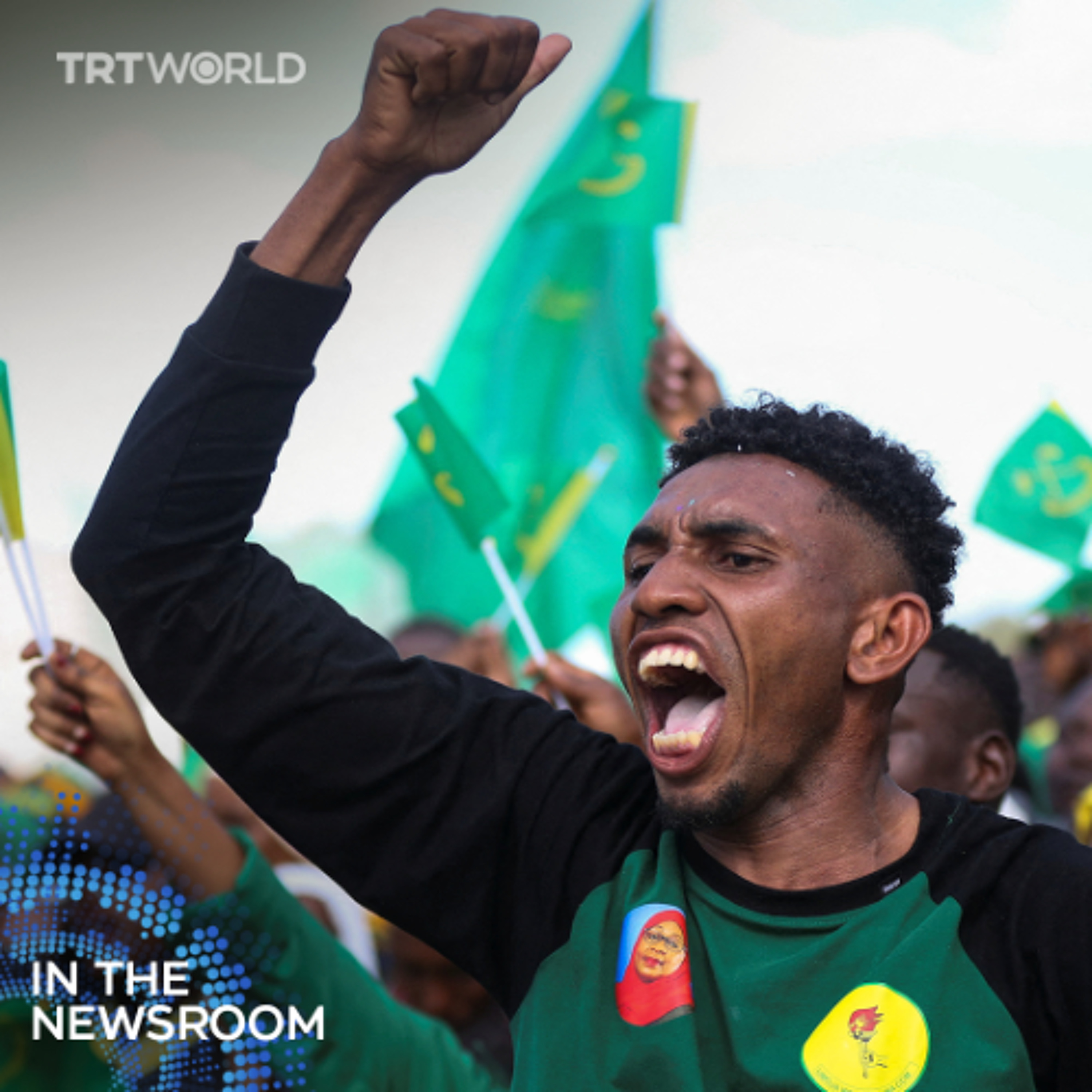
How music moves Tanzania and its elections
As Tanzania heads to the polls, music once again takes centre stage. From independence anthems to Bongo Flava beats, artists have long shaped the nation’s political rhythm, but has the tune changed?
Host/Producer: Ezgi Toper
Guests: John Kitime, Edward Qorro
Craft Editor: Nasrullah Yilmaz
Production Team: Afzal Ahmed, Ahmet Ziya Gumus, Mucteba Samil Olmez, Khaled Selim
Executive Producer: Nasra O
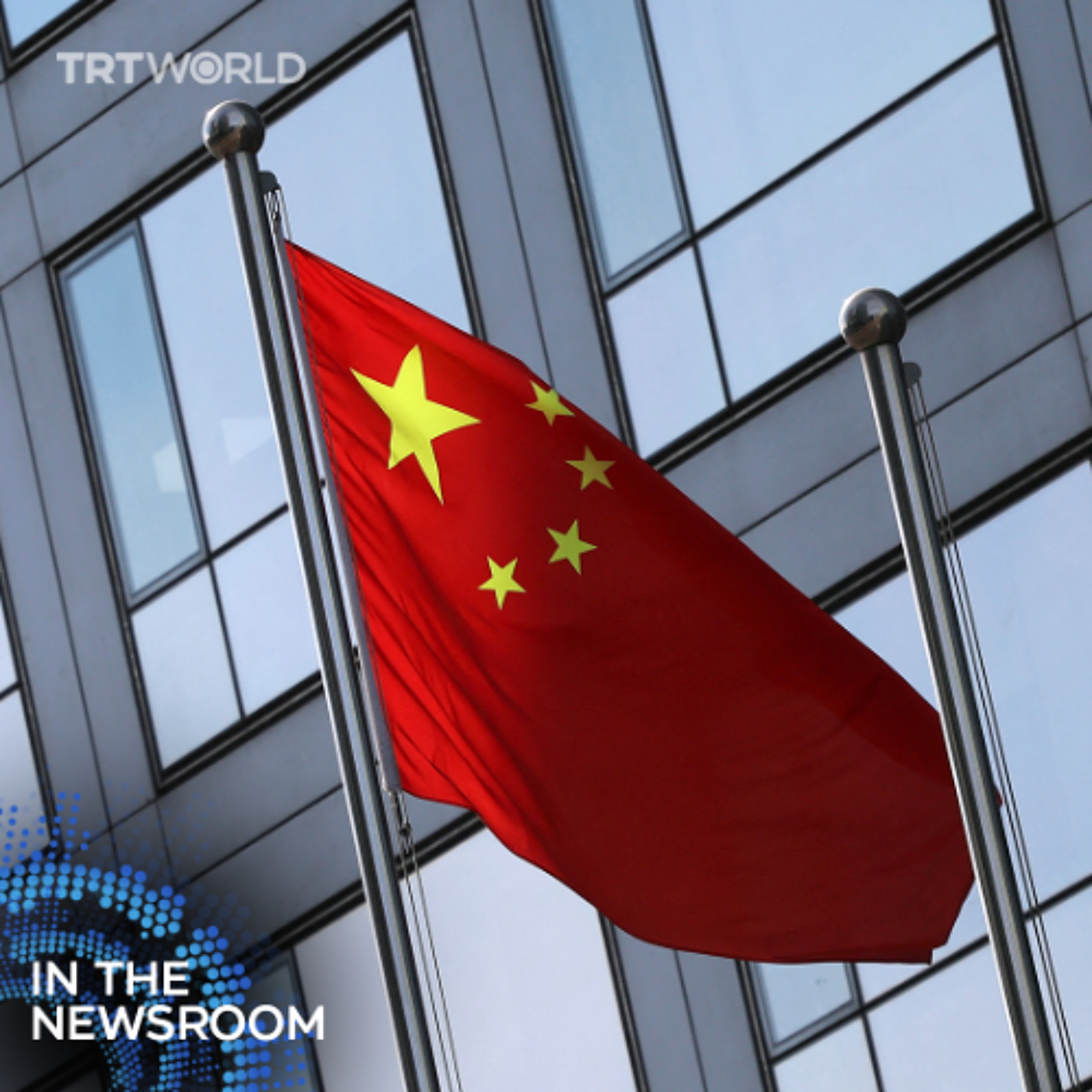
China’s long game: Is China shaping a new world order?
After a decade of building infrastructure through projects like the Belt and Road Initiative, China is now shifting focus from bricks to influence. From giving up the benefits of developing country status at the WTO to launching a new visa program, Beijing is signalling a new phase of its rise. In this episode we look into China’s next phase in refining its global role.
Host/Producer: Ezgi Toper
G
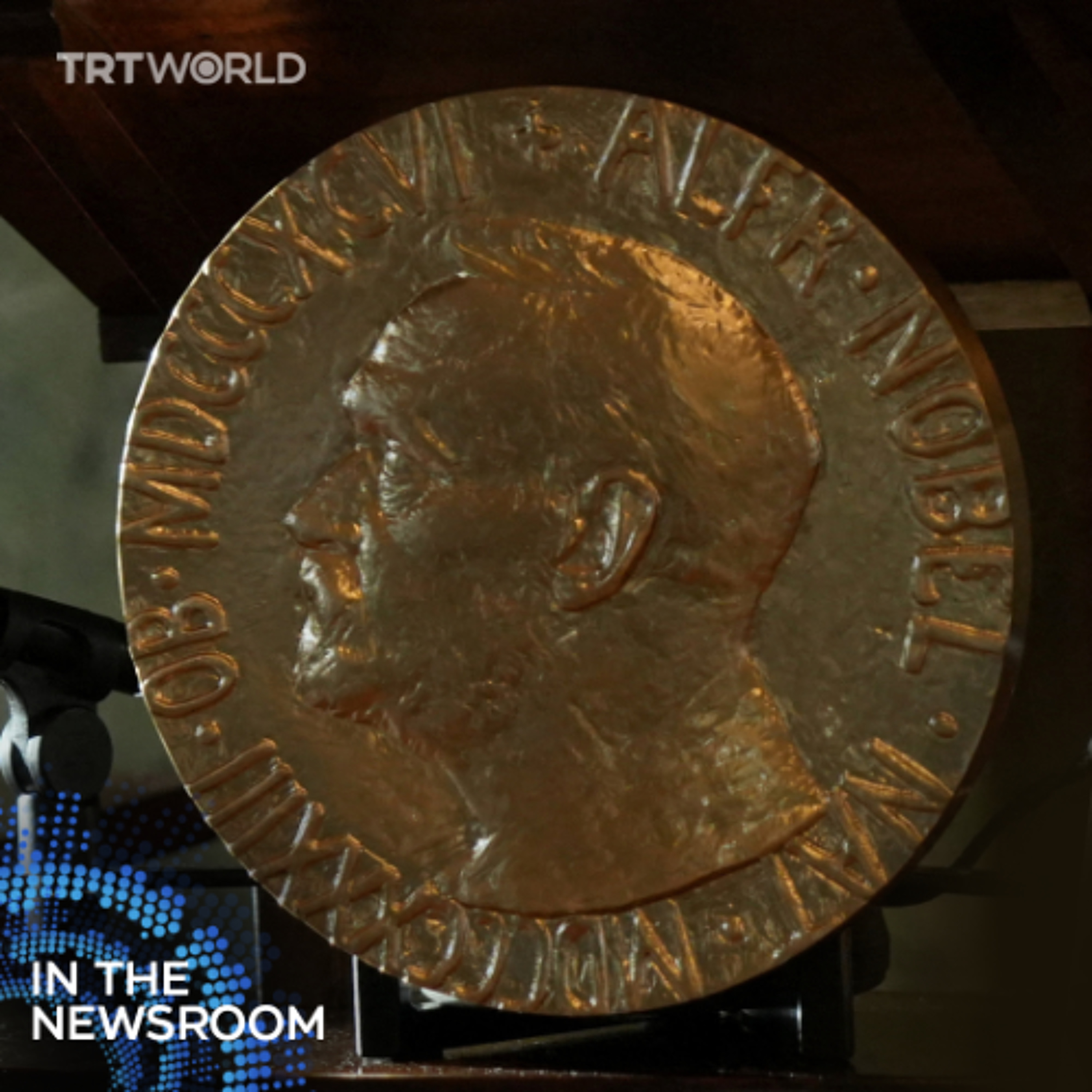
Who gets to decide greatness? ┃The Nobel Prize controversies
The Nobel legacy endures, but its moral authority continues to be tested by politics, biases and shifting definitions of “peace”. In this episode, we hand out controversy badges of our own.
Host/Producer: Ezgi Toper
Craft Editor: Nasrullah Yilmaz
Production Team: Afzal Ahmed, Ahmet Ziya Gumus, Mucteba Samil Olmez, Khaled Selim
Executive Producer: Nasra Omar Bwana
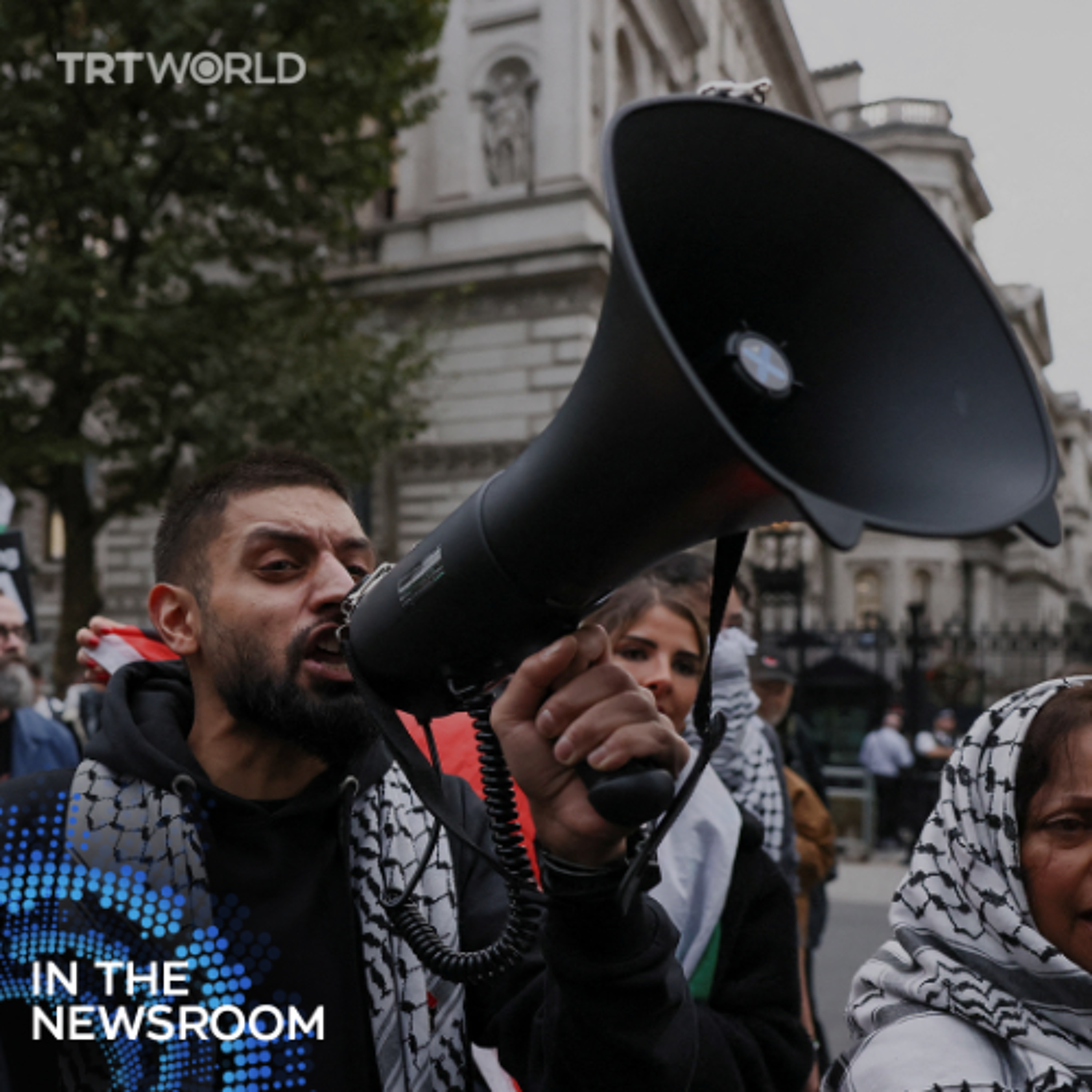
Did October 7th change the information war forever?
After two years of Israel’s war on Gaza, the decades-old hasbara PR machine is cracking and how TikTok helped a new generation see through the lies.
Producer/Narrator: Ezgi Toper
Craft Editor: Nasrullah Yilmaz
Executive Producer: Nasra Omar Bwana
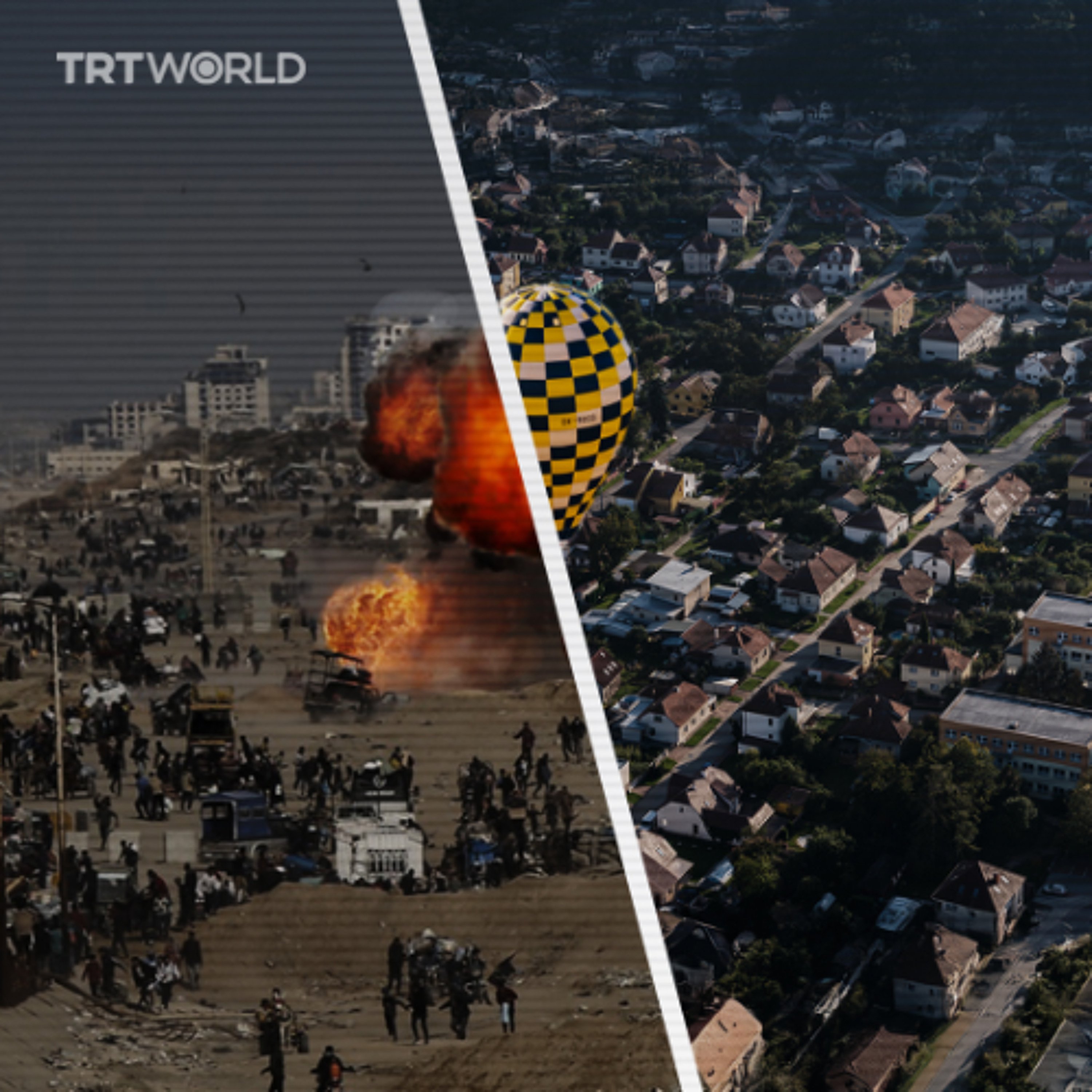
Two Palestines, one name. How are these two Palestines worlds apart?
We spoke to people from the peaceful American village of Palestine in Illinois, which shares a name with the historical Palestine in the Middle East. Despite the shared name, the difference in experiences and perspectives between the two places is striking.
Producer/Narrator: Ezgi Toper
Craft Editor: Burak Bayram
Executive Producer: Nasra Omar Bwana
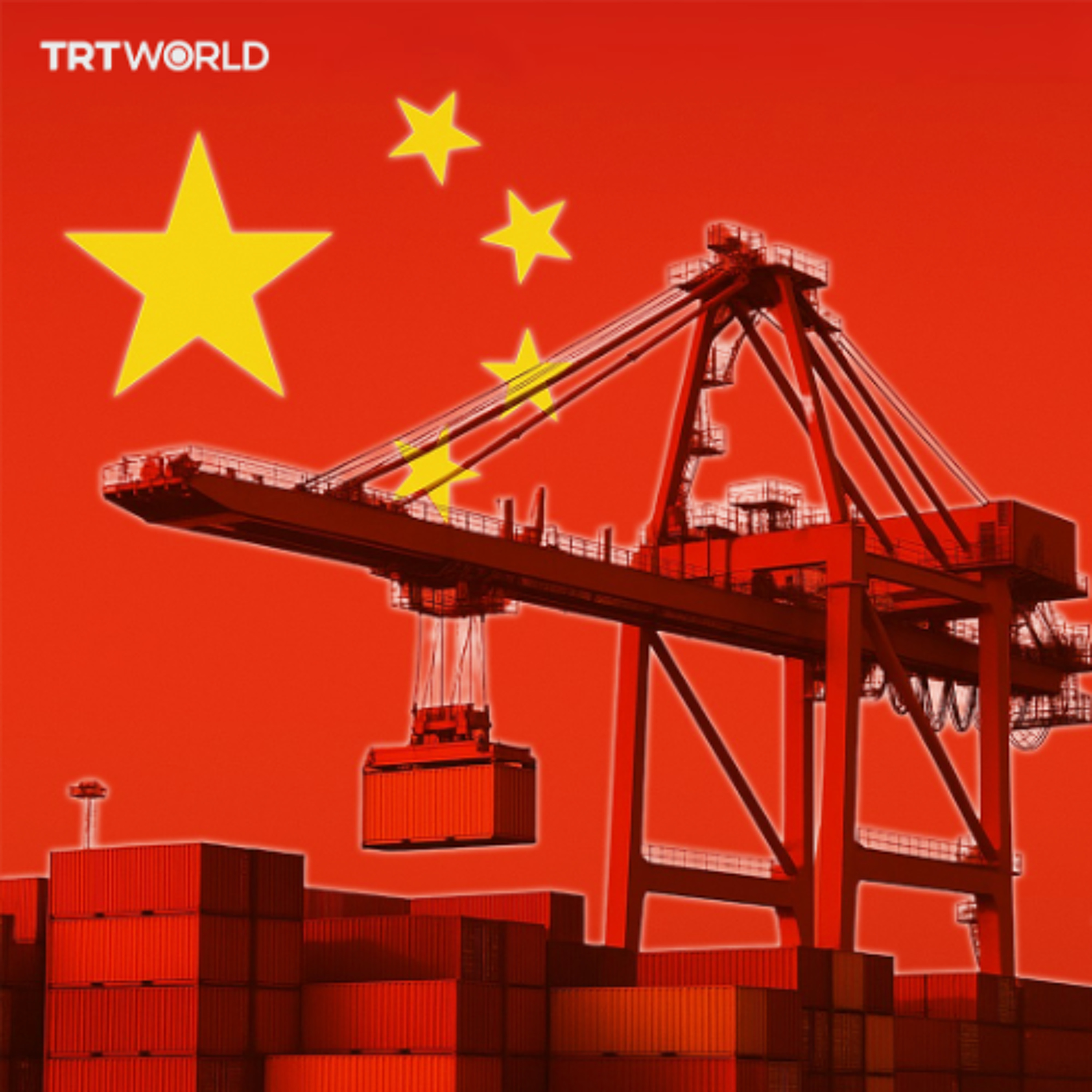
China gives up developing-country privileges
China has announced it will no longer claim developing-country benefits at the World Trade Organisation. In this episode, we explore what the change means, why Beijing made the move now, and how it could affect the balance of global trade.
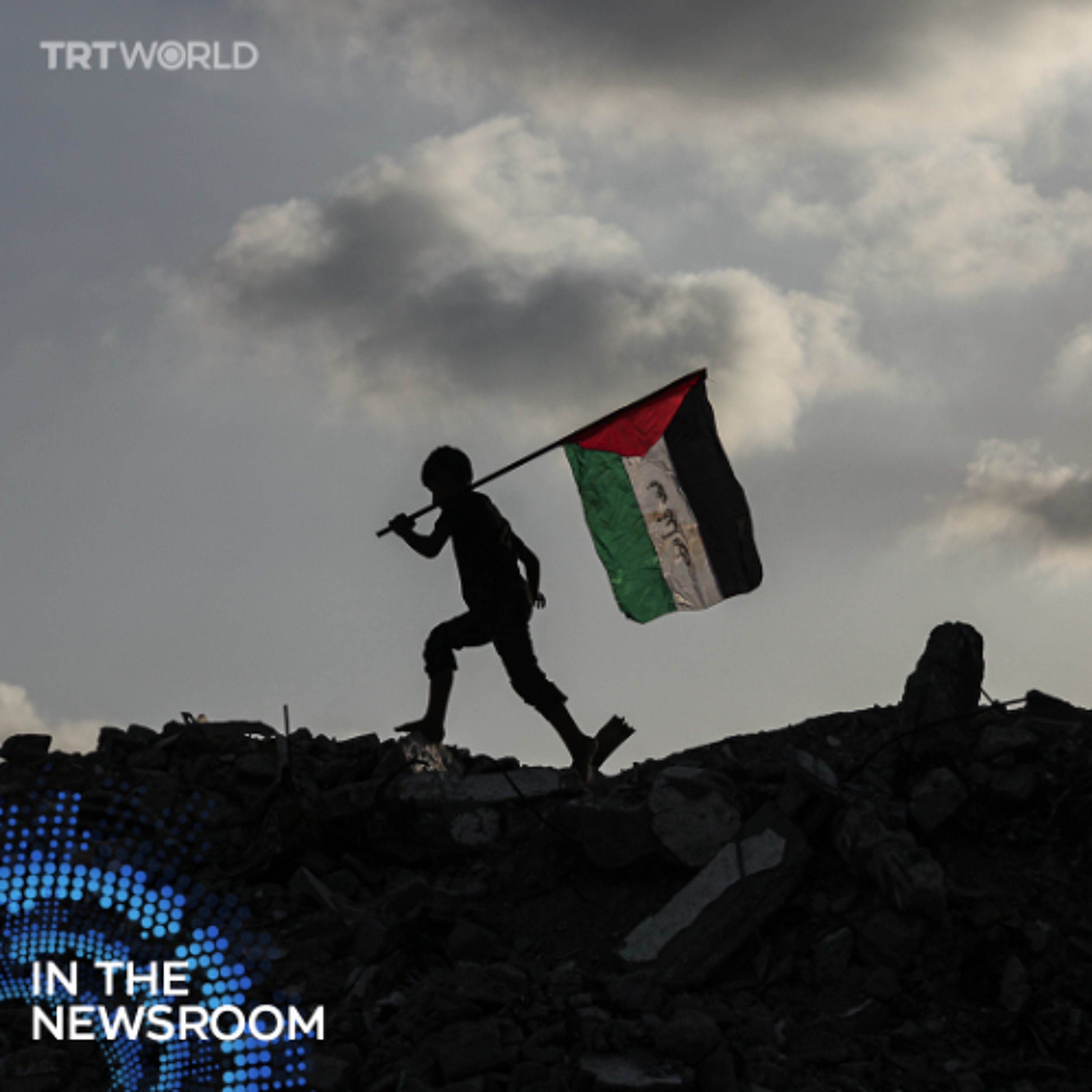
Is recognising Palestine a turning point or just symbolic?
Europe’s recent recognition of Palestine marks a historic, long-overdue acknowledgment of Palestinian statehood, but critics warn that without concrete action, it remains largely symbolic. This episode looks at its meaning amid Israel’s war on Gaza.
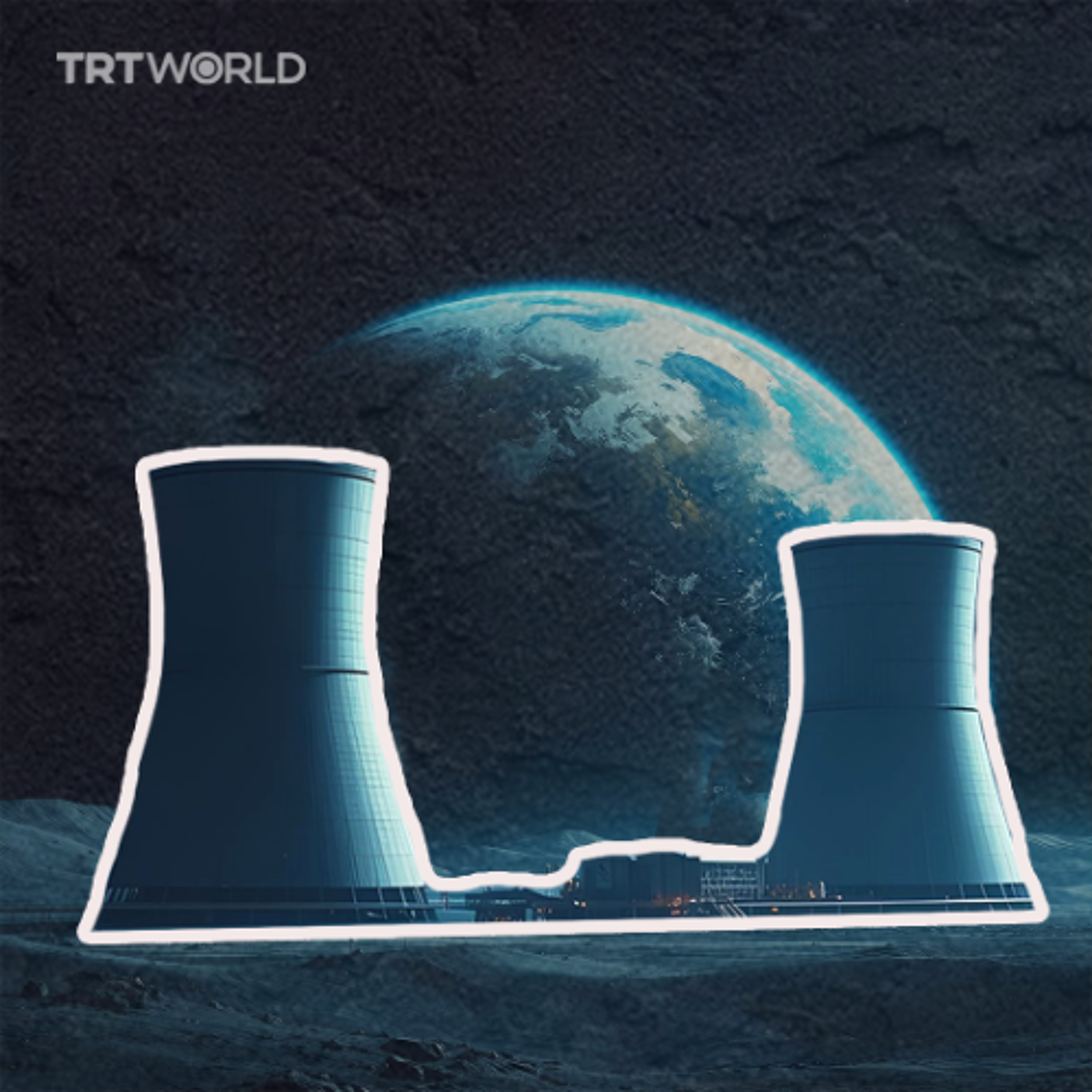
Will we build nuclear power plants on the Moon?
The Moon is no longer a symbol for exploration; it is now the site of a new race for nuclear power. As nations and companies plan reactors to fuel lunar bases and mining, questions arise: who will control the Moon’s resources, and what risks lie ahead for space cooperation?
Article by Kazim Alam https://www.trtworld.com/article/7702e0d064f8
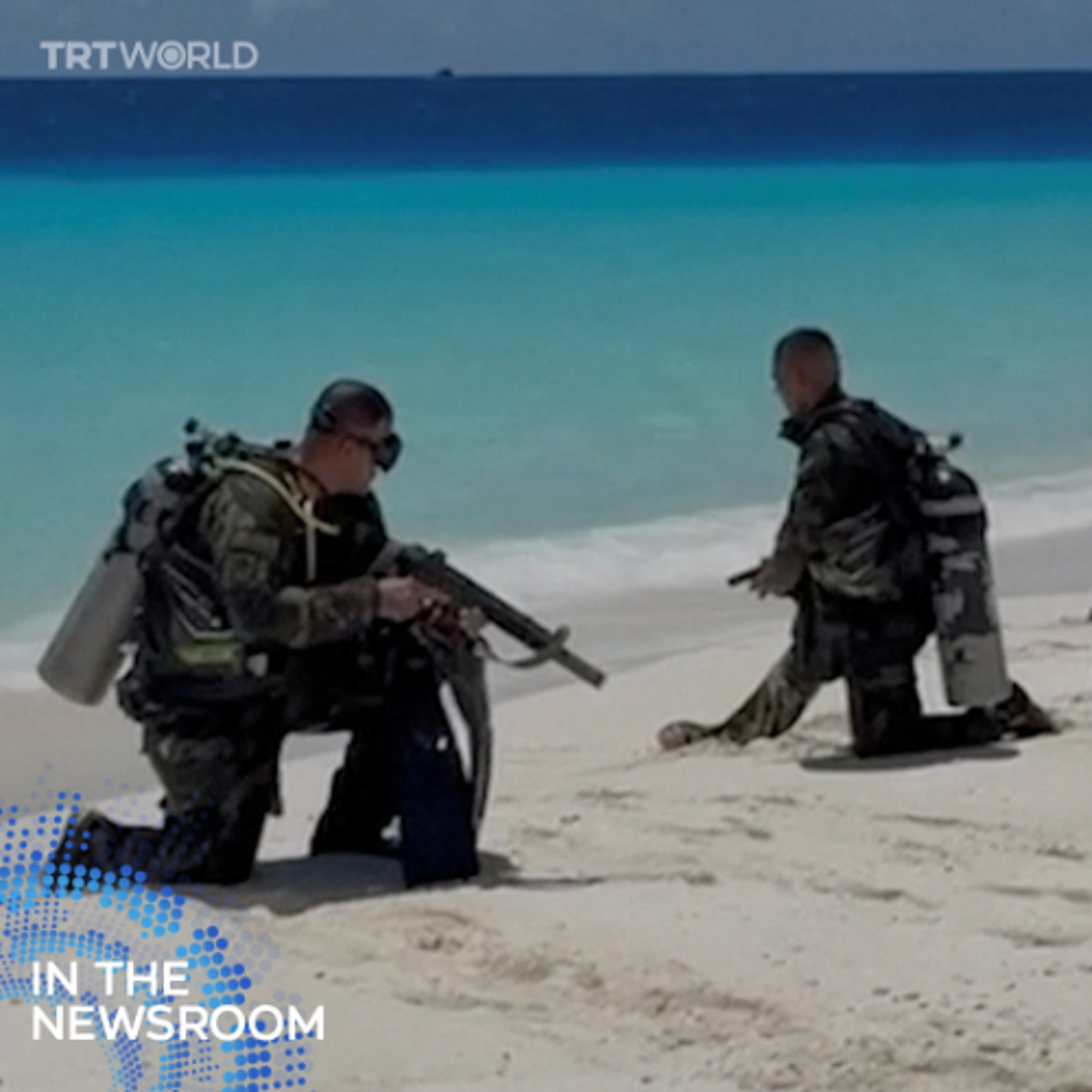
What is the US’ endgame in Venezuela?
In this episode we explore how oil, China, and geopolitics may be driving US actions in Venezuela far more than President Trump’s narco-trafficking claims, and what this means for regional stability and Venezuelan citizens.

Why the Labubu is more than just a toy craze?
From Gen Zs to Rihanna to kidults, a toothed toy named Labubu has become a global craze. But behind the blind boxes and unboxing videos lies something deeper: identity, belonging, and China’s growing cultural soft power.
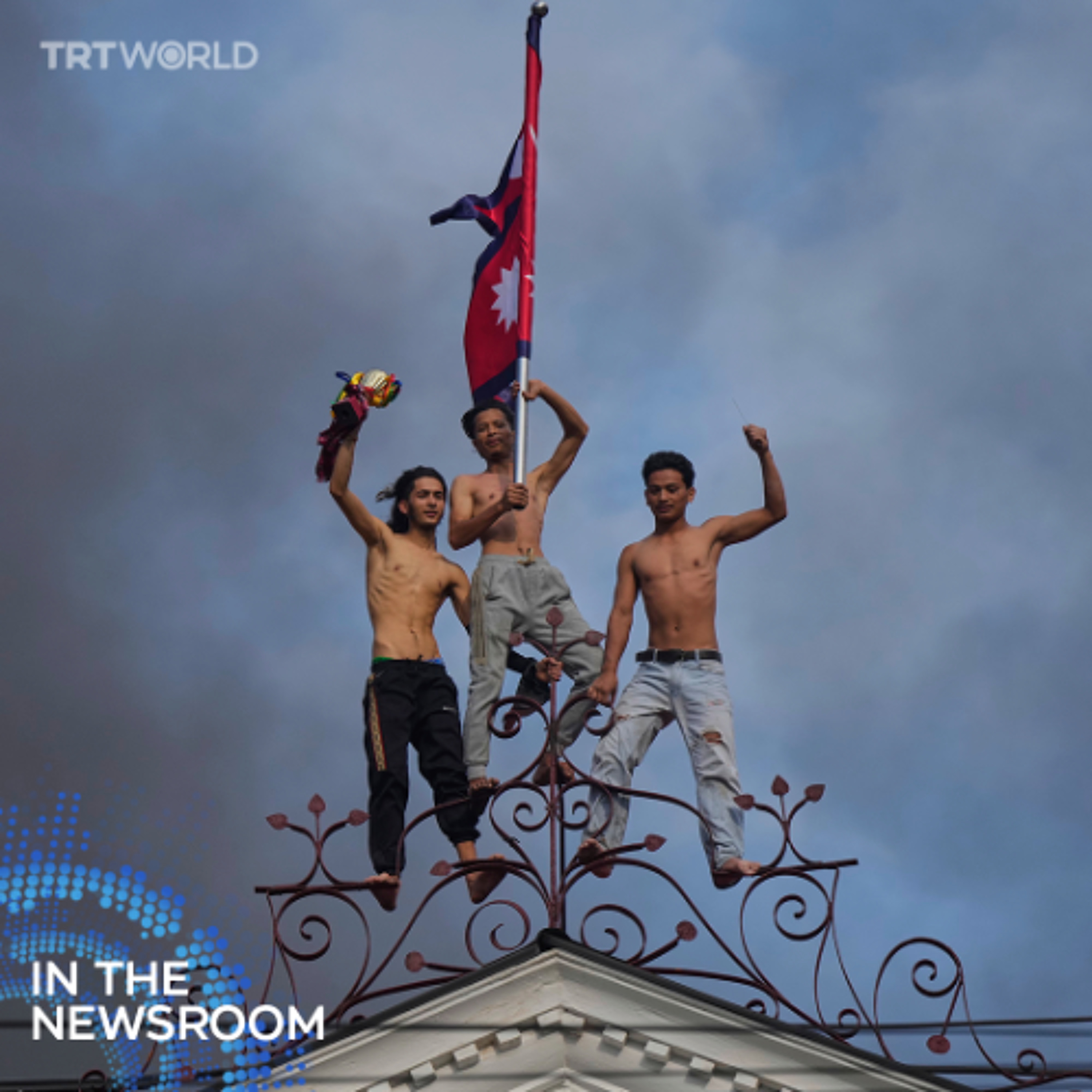
Why Nepal’s GenZ Took to the Streets
When Nepal’s government banned 26 social media platforms overnight, it triggered protests that toppled the government in just two days. This episode speaks to Nepalis on the ground about how anger over corruption and inequality boiled over. What comes next for a country now led by its youth?
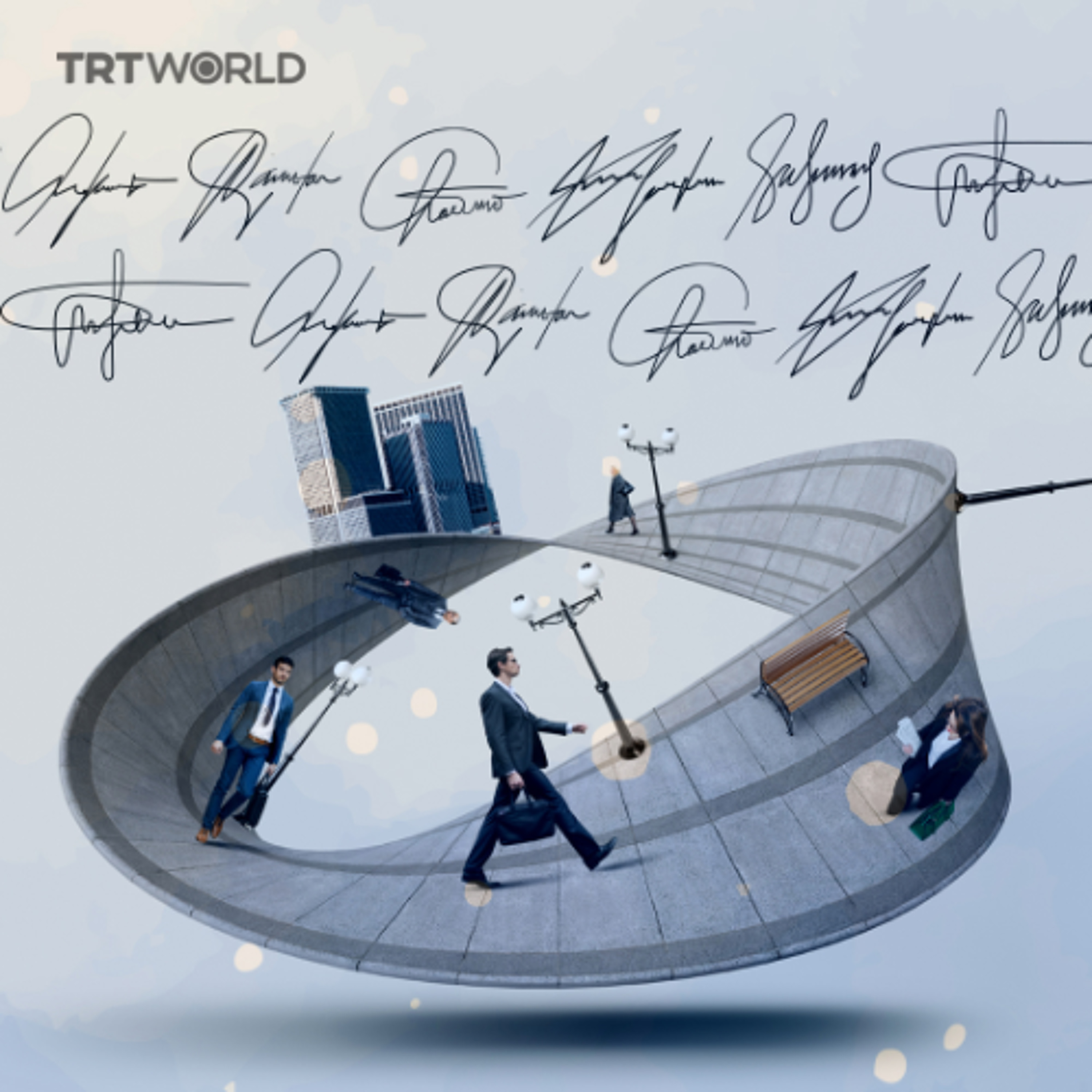
Does your name affect your destiny?
From career paths to romantic choices, your name may influence your life more than you think. This Aloud episode explores how science links names to personal and professional outcomes, revealing surprising biases and behavioural patterns
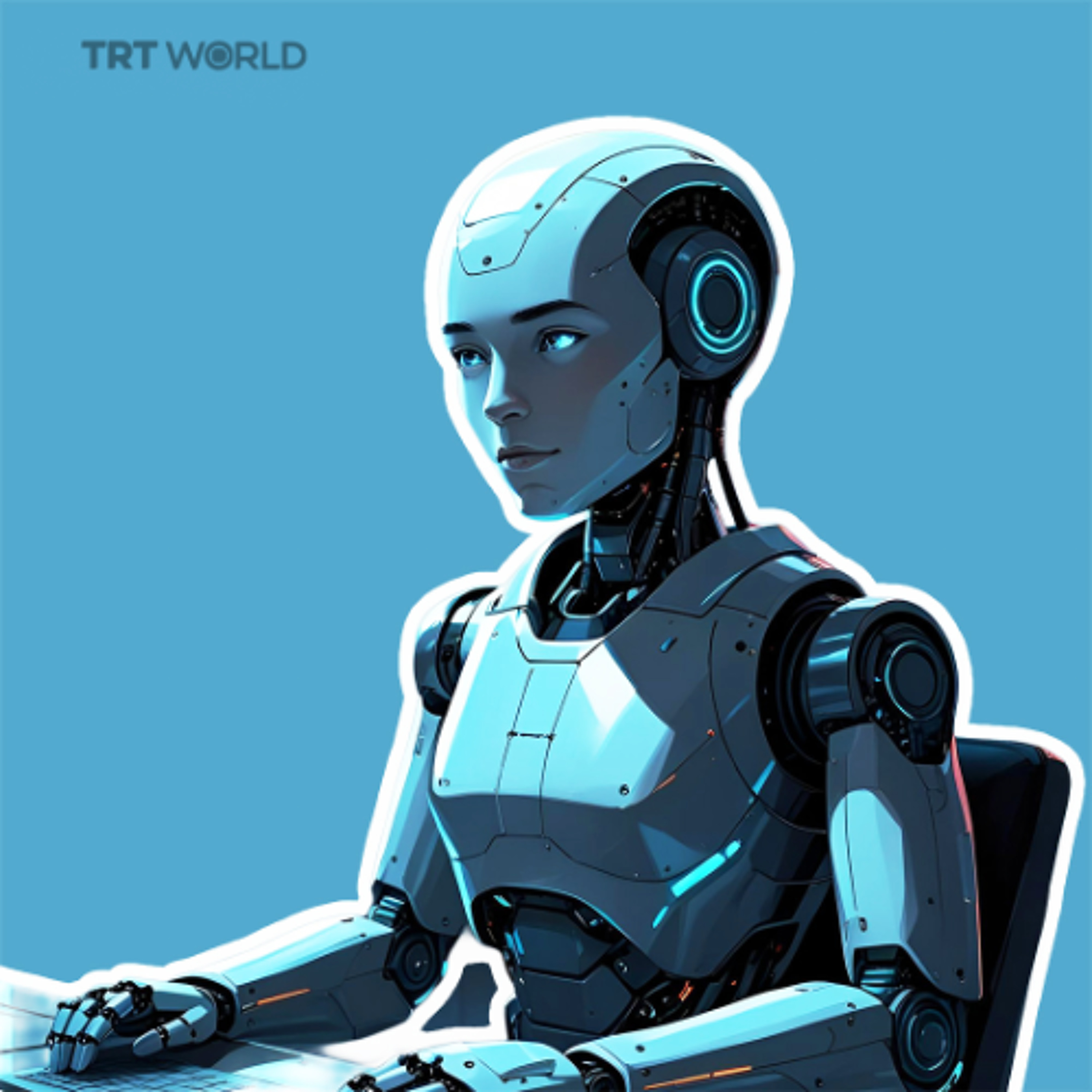
What does AI mean for the future of work?
The rapid growth of artificial intelligence is changing who holds power at work. In this episode, we look at what this shift means for jobs, education, and inequality around the world.
Who was Aysenur Ezgi Eygi and how did Israel get away with killing her?
One year after an Israeli sniper killed Turkish-American human rights activist Aysenur Ezgi Eygi in the occupied West Bank, her husband Hamid Ali shares her story and their ongoing pursuit of justice.
Host: Ezgi Toper
Guest: Hamid Ali

The digital paradox: Why we need real friends
In an era where billions of people are connected online and seemingly have friends, loneliness is paradoxically on the rise. This episode explores the hidden cost of hyperconnectivity, the difference between digital and real-world friendships, and why physical presence is irreplaceable
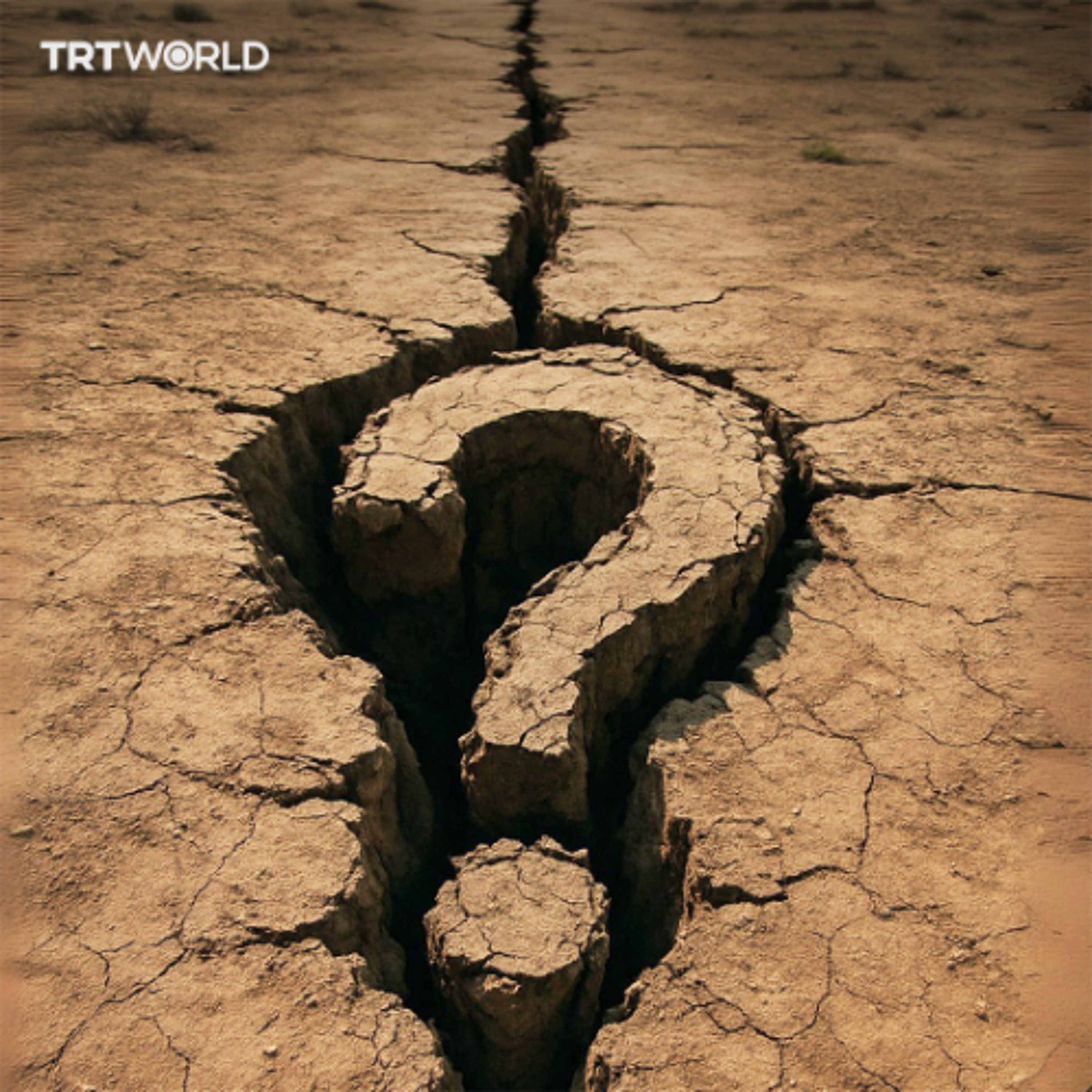
Earthquake prediction: Why science still can’t see the big one coming
Despite huge advances in predicting tsunamis, storms and other natural disasters, earthquakes remain one of nature’s greatest mysteries. In this episode, we explore why knowing when an earthquake will hit is so difficult, the science behind seismic activity, and what measures governments can take to protect lives in the absence of reliable predictions.
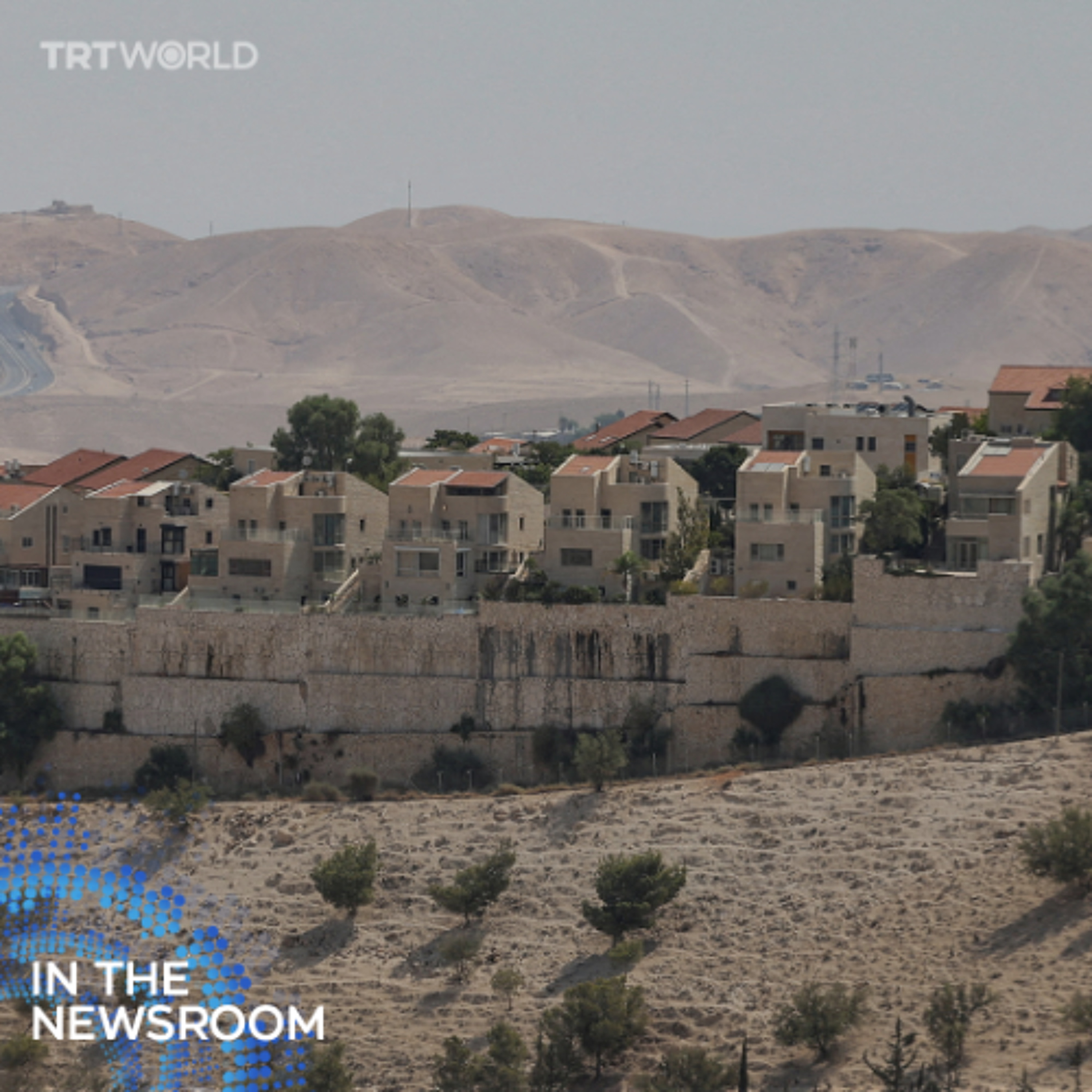
How real estate agents sell homes in illegal Israeli settlements
This episode investigates how Israel’s settlement expansion in the occupied West Bank is marketed to foreign buyers, even as Palestinians are forcibly and violently displaced. What’s packaged as safety and opportunity for investors means erasure for Palestinians.
Host: Ezgi Toper
Guest: Paul Salvatori
Producer: Ezgi Toper
Sound Editor: Nasrullah Yilmaz
Supporting team: Afzal Ahmed, Mücteba Şamıl

How is football changing the lives on women in Buenos Aires
Villas Unidas, a club promoted by Argentine star Diego Maradona’s physical trainer, brings together players from vulnerable neighbourhoods in Buenos Aires. It has become a tool for social inclusion. But it still faces significant challenges.
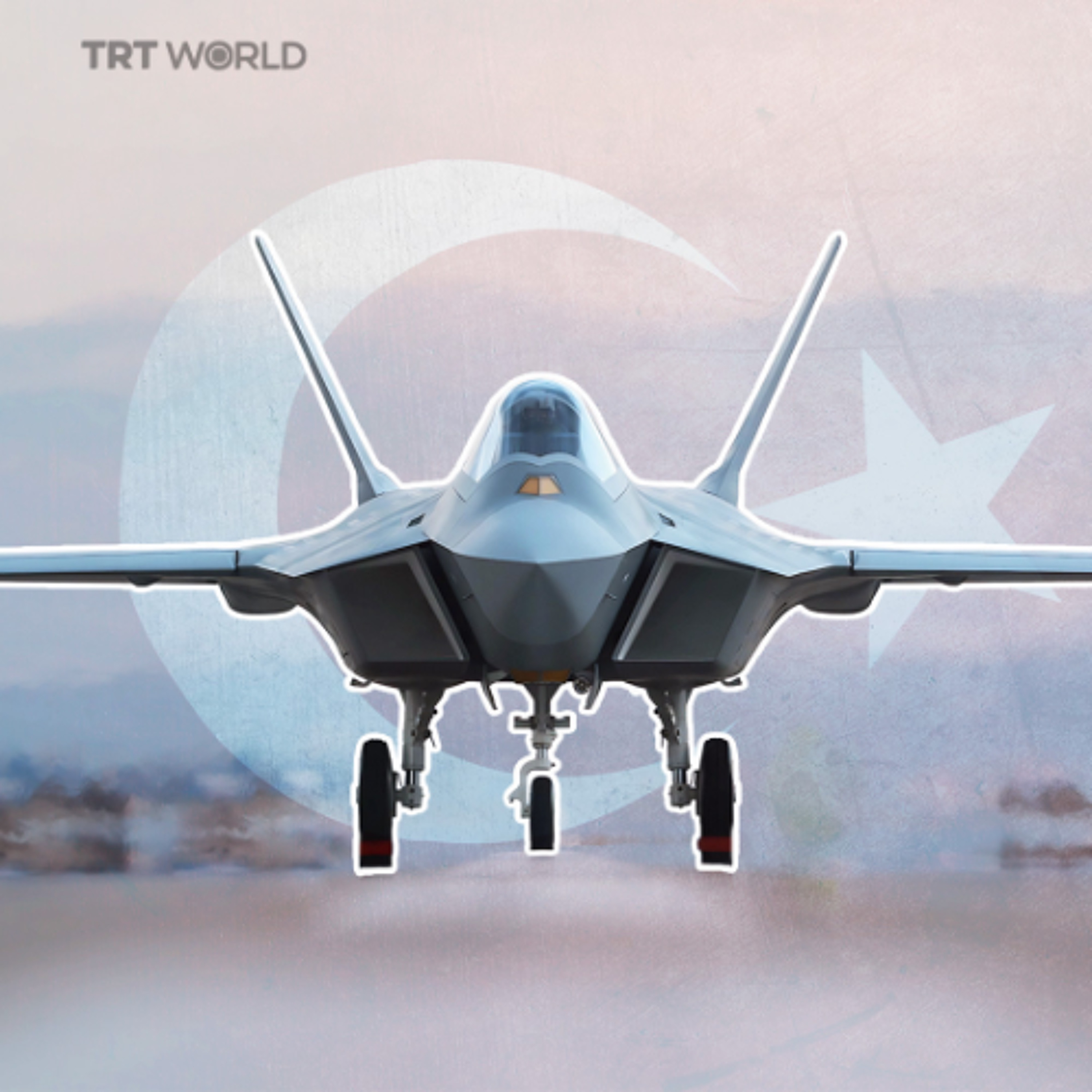
How has Türkiye become a global power in defence?
In this episode, we look at the growth of Türkiye’s defence industry. From state-of-the-art drones to advanced naval vessels and armoured vehicles, the country has transformed from just licensing to becoming a significant player in defence, contributing to regional and global security.
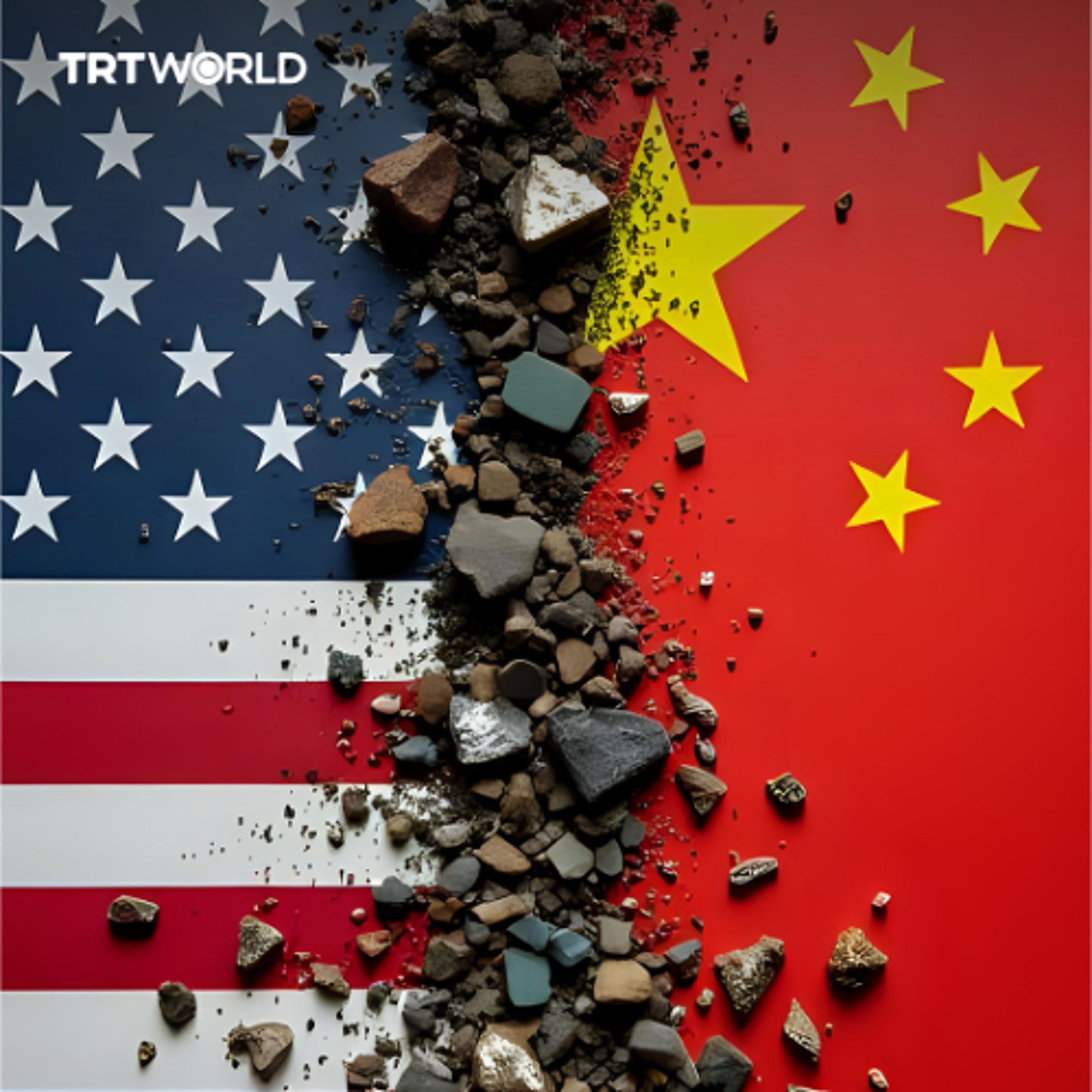
Are rare earth minerals US' hidden weakness?
The US leads in defence innovation but it relies heavily on its foe China for rare earth minerals which powers it all. This dependency is reshaping foreign policy and global power dynamics in the years to come.
Narrator: Afzal Ahmed
Have the Rohingya been forgotten by the world?
International funding for Rohingya refugees in Bangladesh is vanishing, leaving nearly a million desperate people at the risk of hunger and disease. Since 2017, the Rohingya have remained in limbo in overcrowded camps: stateless, stranded and steadily forgotten by a world that once promised to help.
Narrator: Ibrahim Dogan
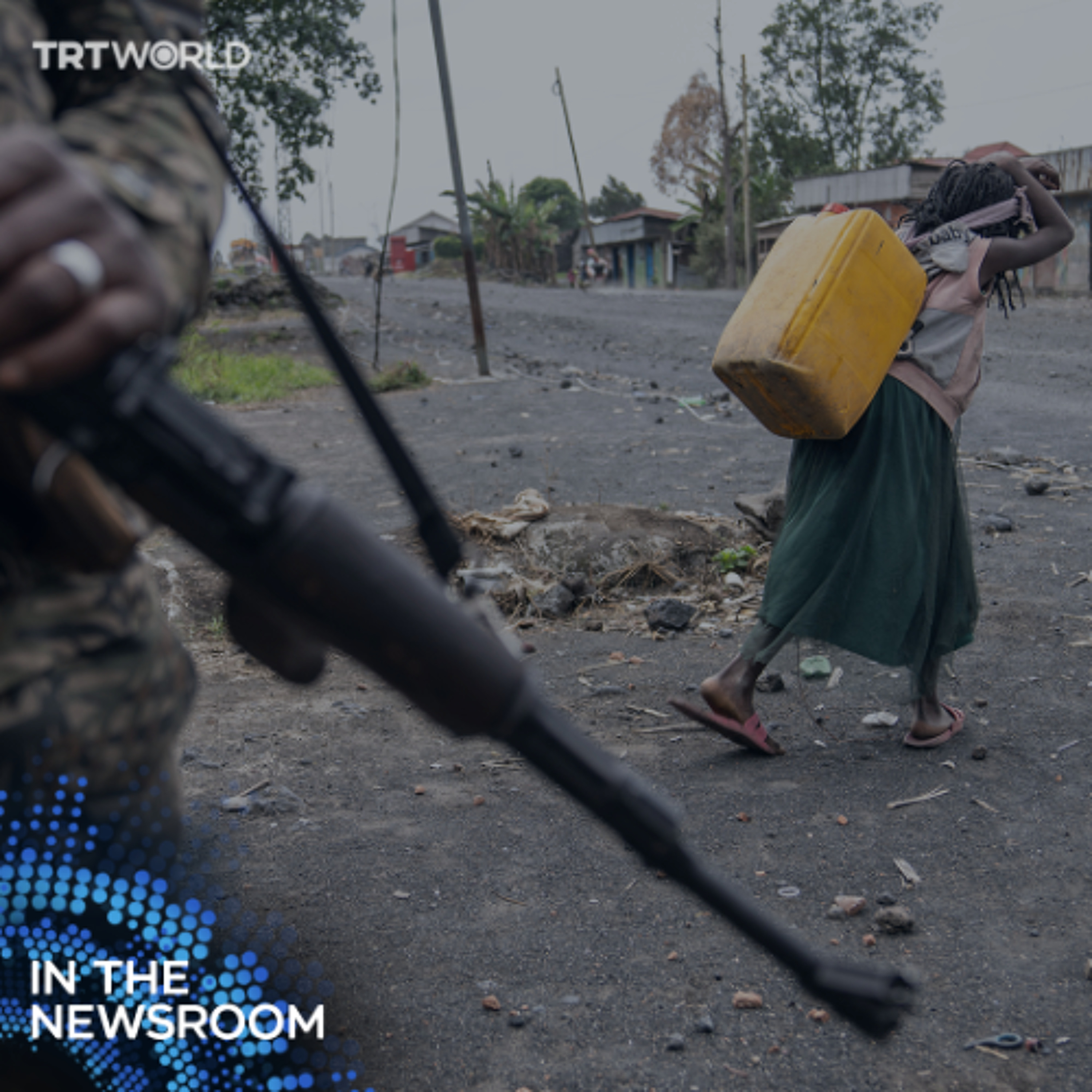
What stands between the DRC and lasting peace?
For decades, the Democratic Republic of the Congo has witnessed one of the deadliest conflicts since World War II, yet the world remains largely silent. We unpack the mineral-fuelled war in eastern DRC, where global powers, rebel groups and regional.
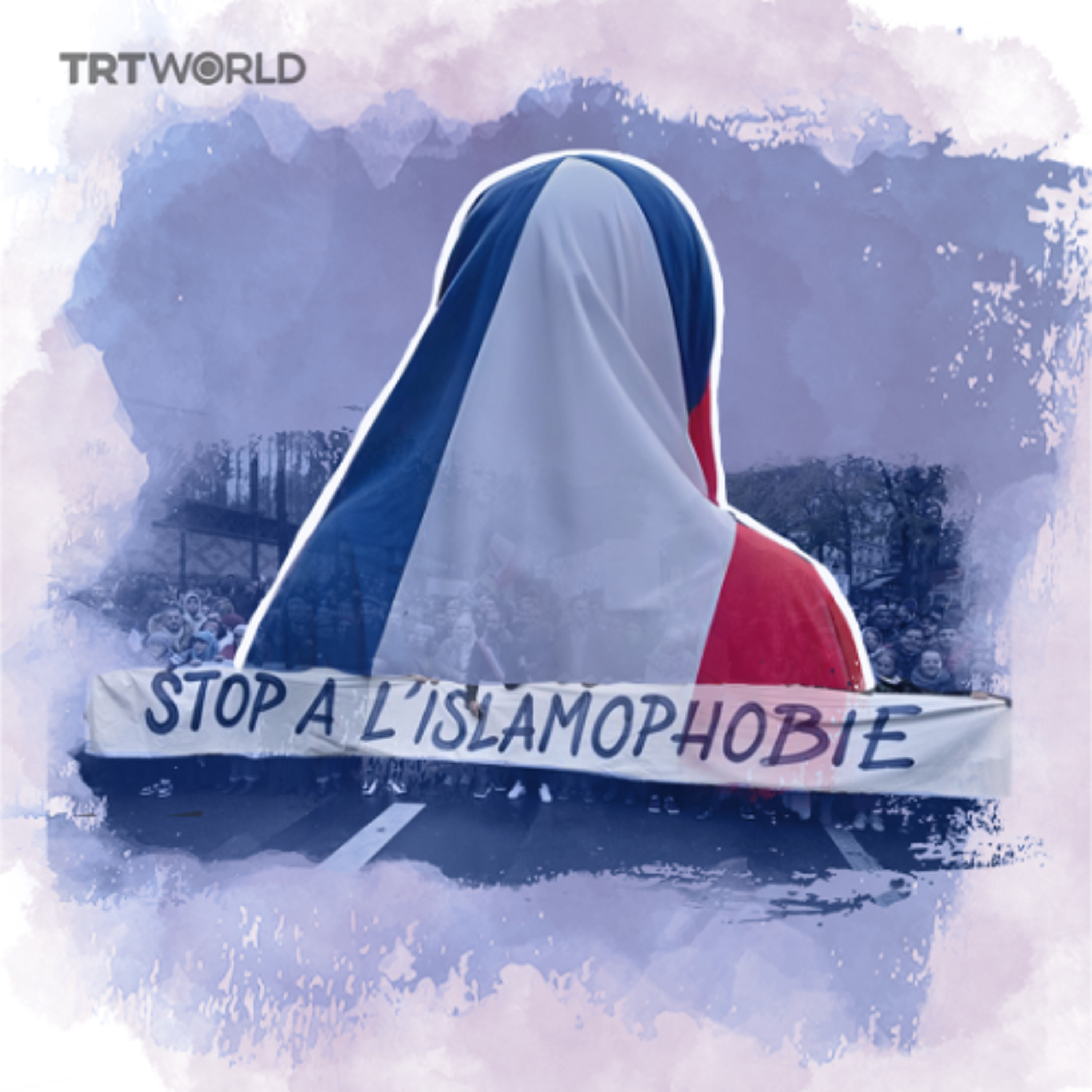
Faith under Fire - Is Islamophobia in France a legacy of colonialism?
A look into France’s rising Islamophobia, from colonial legacies to today’s laws and far-right rhetoric. This podcast episode explores what happens when secularism becomes a tool of exclusion.
Narrator: Nasra Omar Bwana

Are we watching child labour go viral?
Description: A new form of child labour exploitation but in the digital world. From kidfluencers to family vloggers, children’s lives are being monetised, watched and sometimes exploited all on social media.
Narrator: Afzal Ahmed
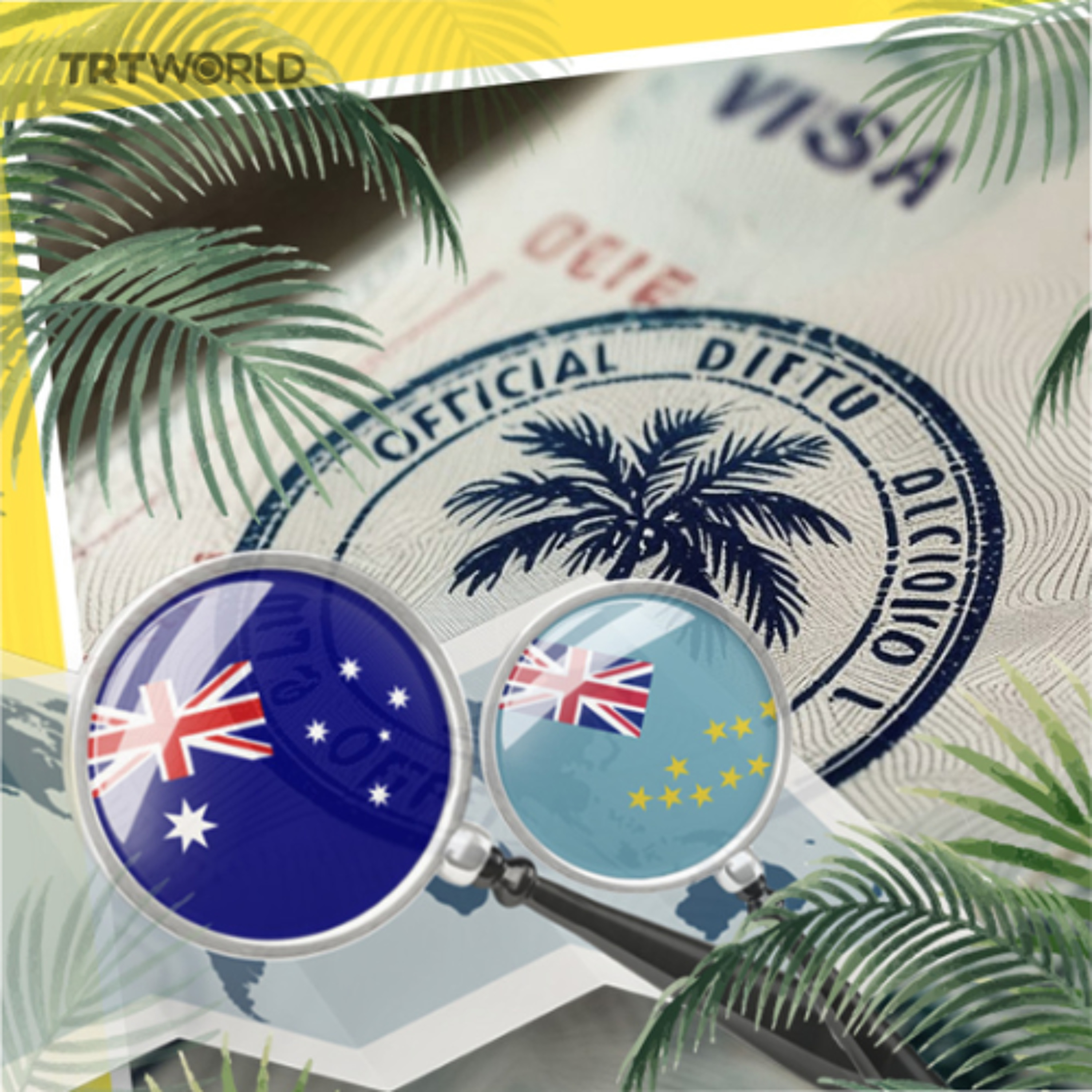
Climate Visas: Relocation Over Prevention
One of the world’s most climate-threatened nations, Tuvalu, signed a historic agreement with Australia to give its citizens a pathway to migrate before their islands disappear. But as thousands apply for a new climate visa, bigger questions loom for other sinking nations: Who gets saved, who decides, and are wealthier nations prioritising relocation rather than the root causes and prevention of cl
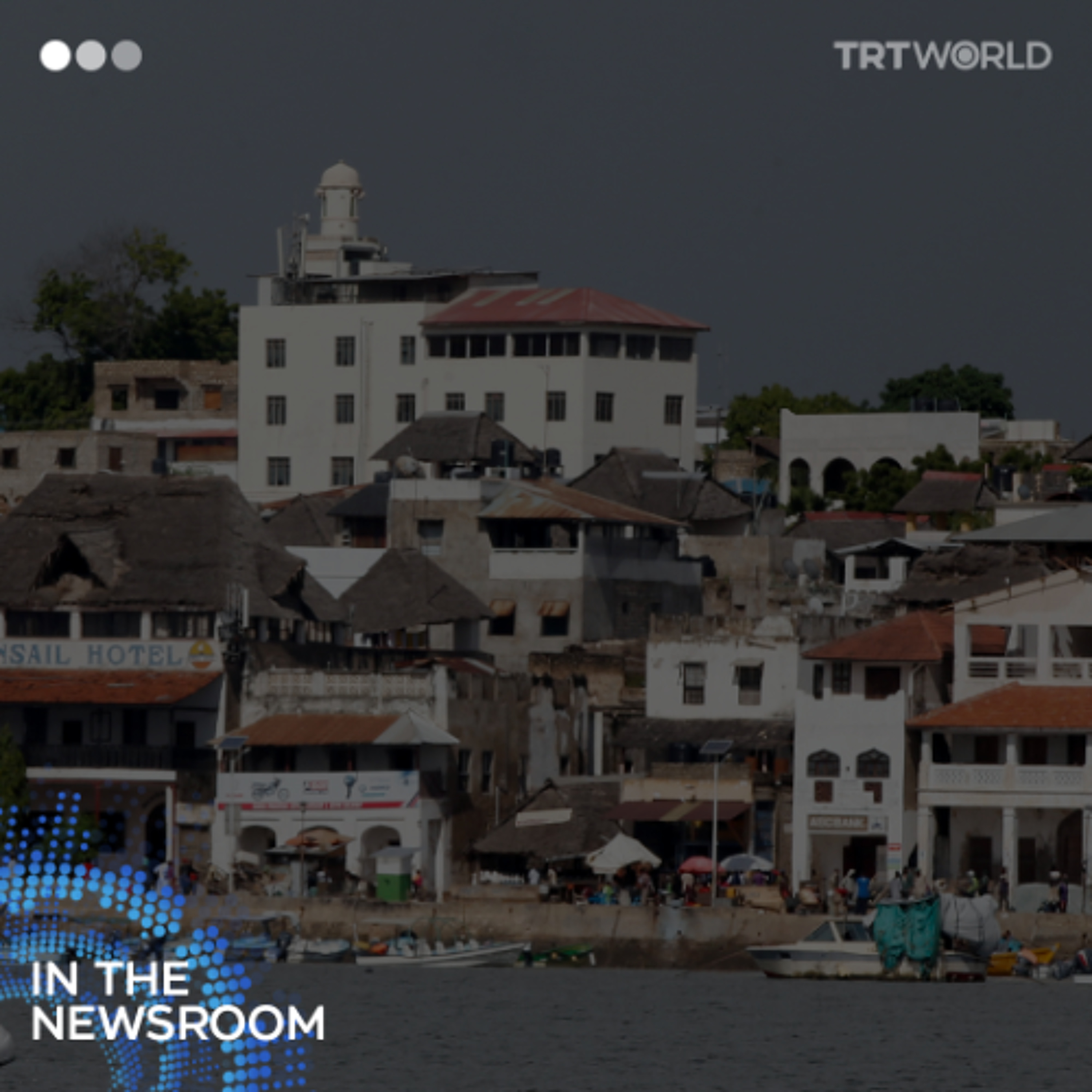
Is foreign funding rewriting Kenyan history?
When a museum in a UNESCO World Heritage site in Kenya reopened after renovations funded by the Sultanate of Oman, locals were shocked to find their history sidelined. In this episode, we ask: Who gets to decide what history is told?
Host: Ezgi Toper
Guest: Nasra Omar Bwana
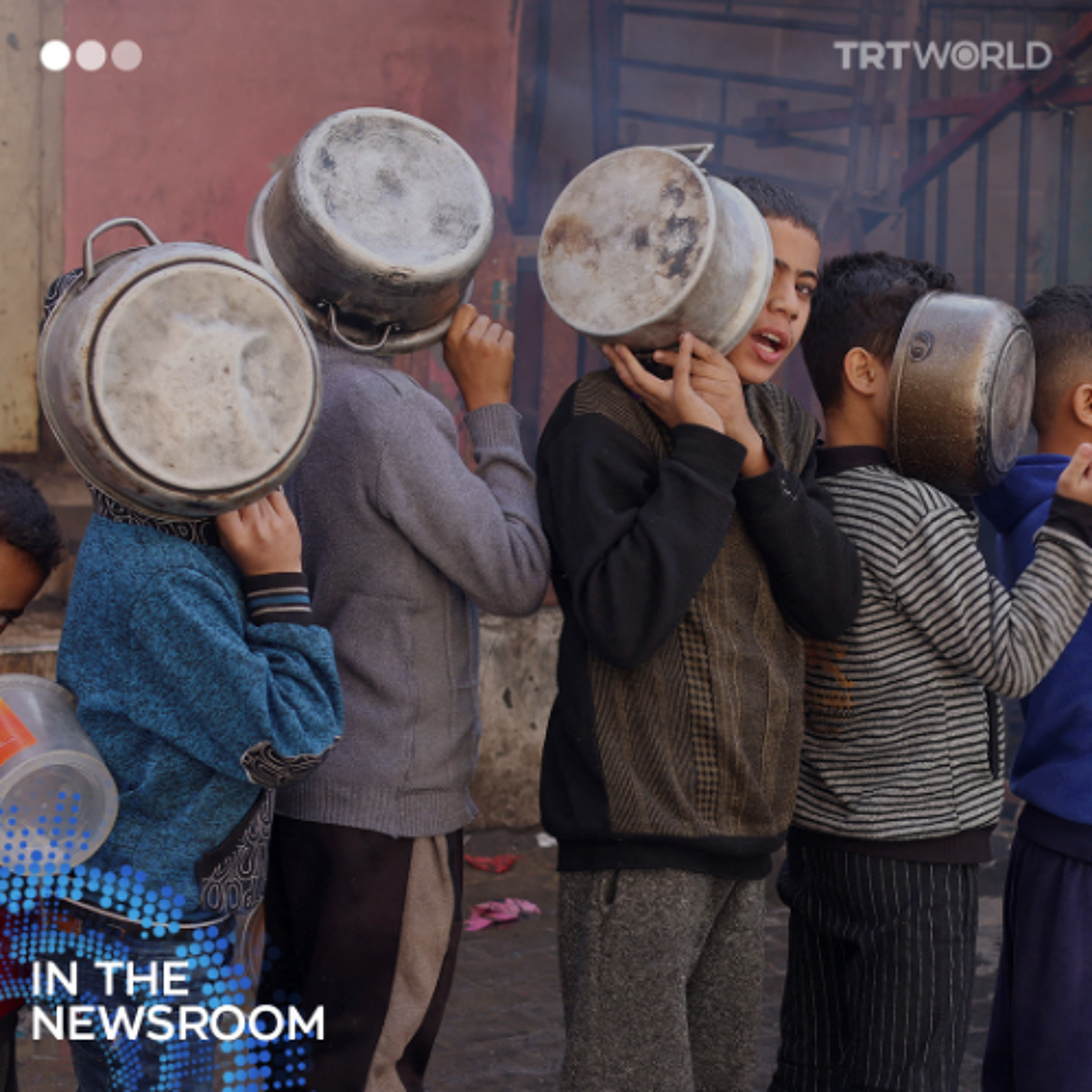
What does a man-made famine look like?
Famine is usually linked to drought or natural disaster, but not all hunger is accidental. This episode looks into the man-made famine in Gaza, where food, water, and aid are being deliberately blocked, and mass starvation is now a weapon.
Host: Ezgi Toper
Guests: Nizar Sadawi
Producer: Ezgi Toper
Craft Editor: Nasrullah Yilmaz
Supervising Editor: Burak Bayram
Supporting team: Afzal Ahmed, Mücteba
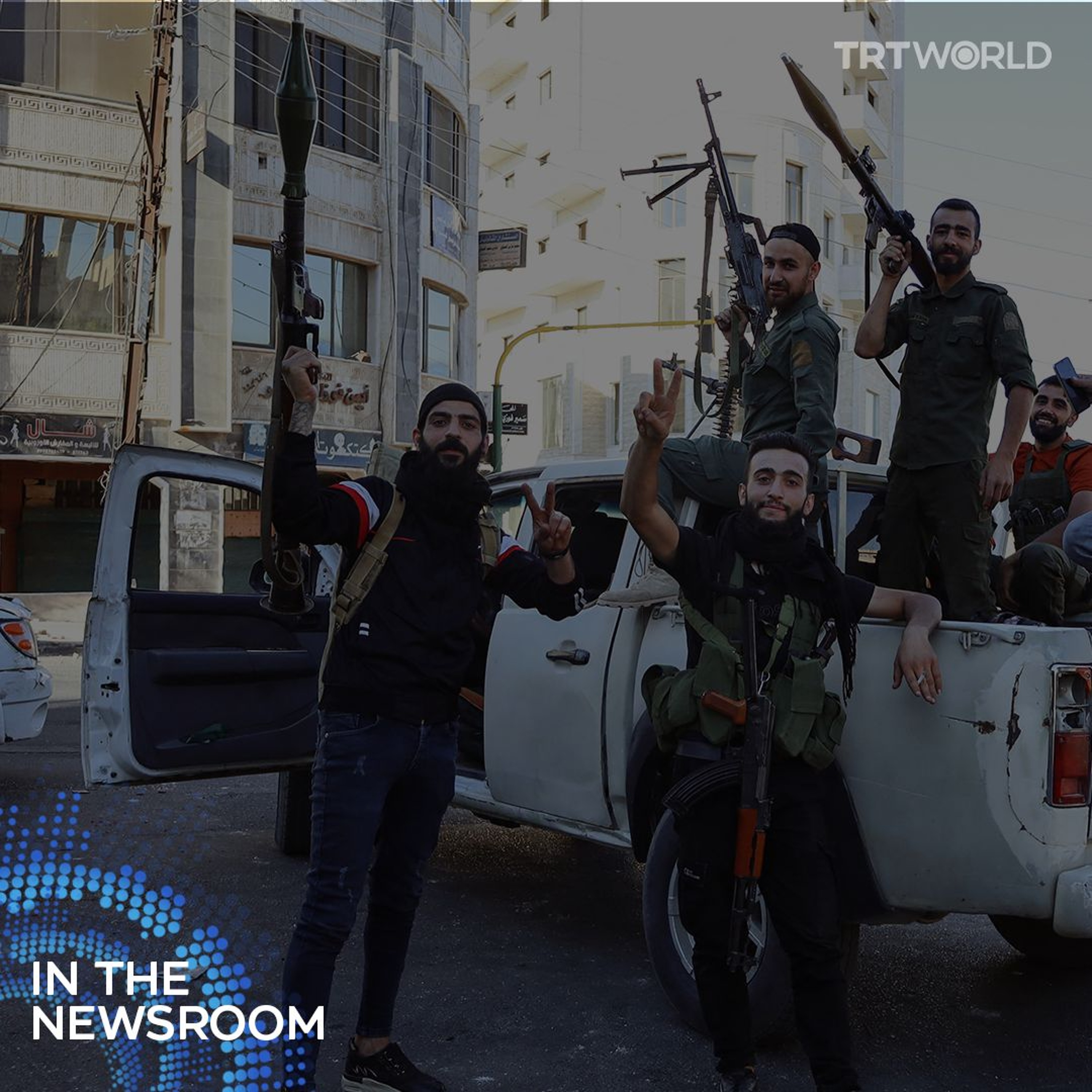
Who are the Druze and why do they matter to Israel?
As deadly clashes erupt in Syria’s south, Israel claims it’s stepping in to protect the country’s Druze minority. But who are the Druze, and why is Israel so invested in their fate? We explore the local tensions and regional power plays.
Host: Ezgi Toper
Guests: Nour Qormosh, Fatih Semsettin Isik
Producer: Ezgi Toper
Craft Editor: Nasrullah Yilmaz
Supervising Editor: Burak Bayram
Executive Produc
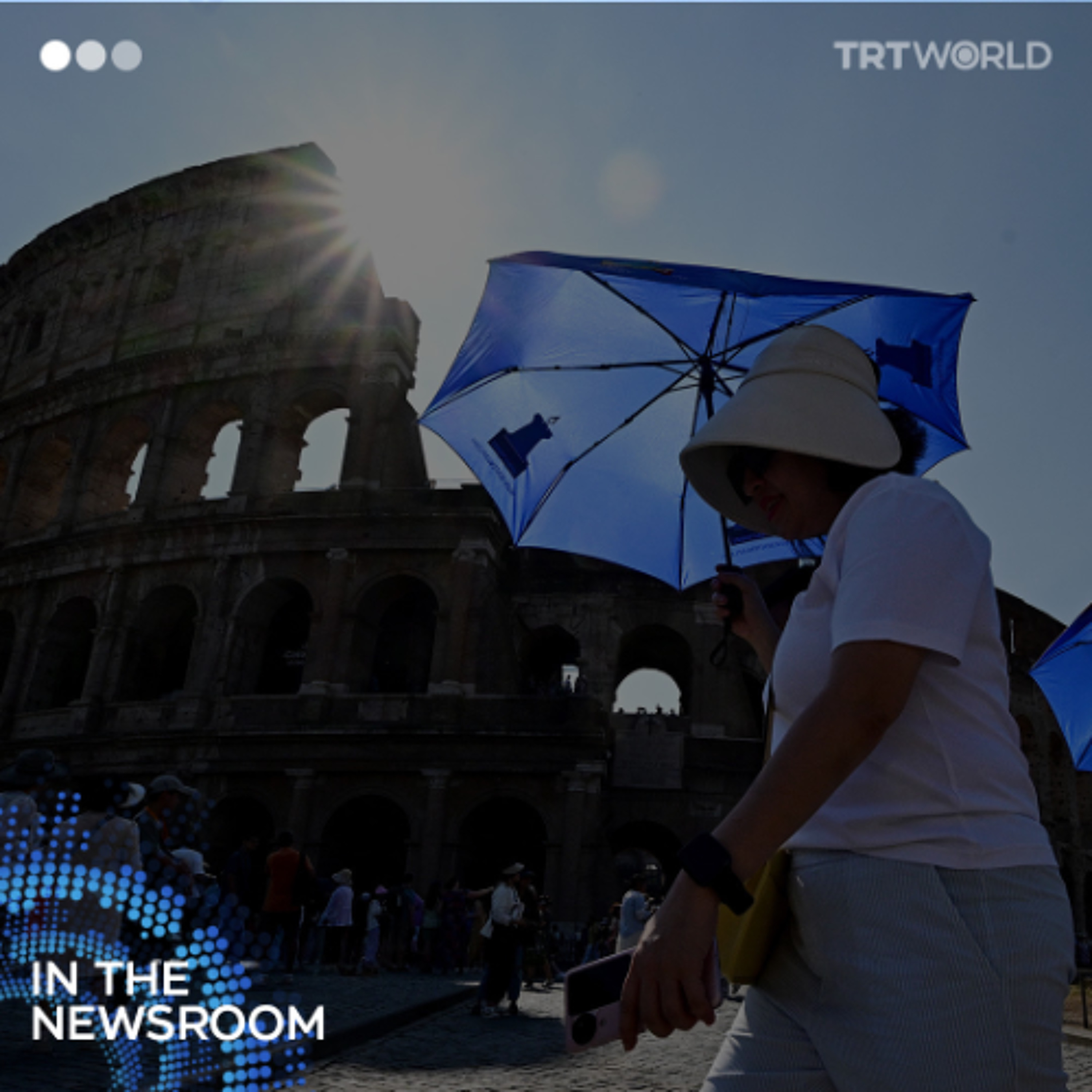
Who gets to stay cool?
Exploring the class divide in the climate crisis as temperatures heat up and staying cool becomes more of a luxury than ever before.
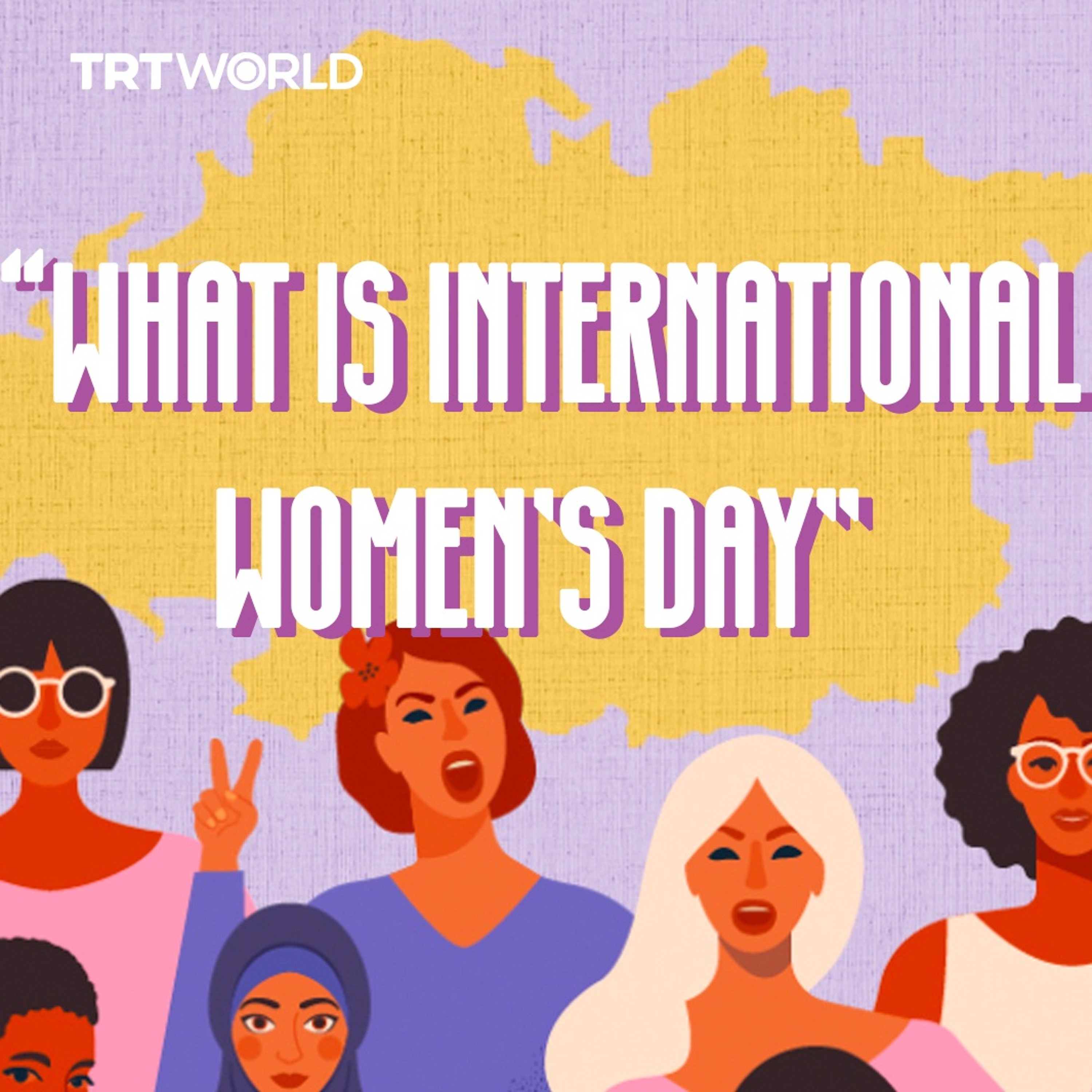
What Is International Women’s Day
March 8 is International Women’s Day, the day where we celebrate our sisters, mothers, aunties and best friends all around the world.
But, what exactly is Women’s Day and how did it start?
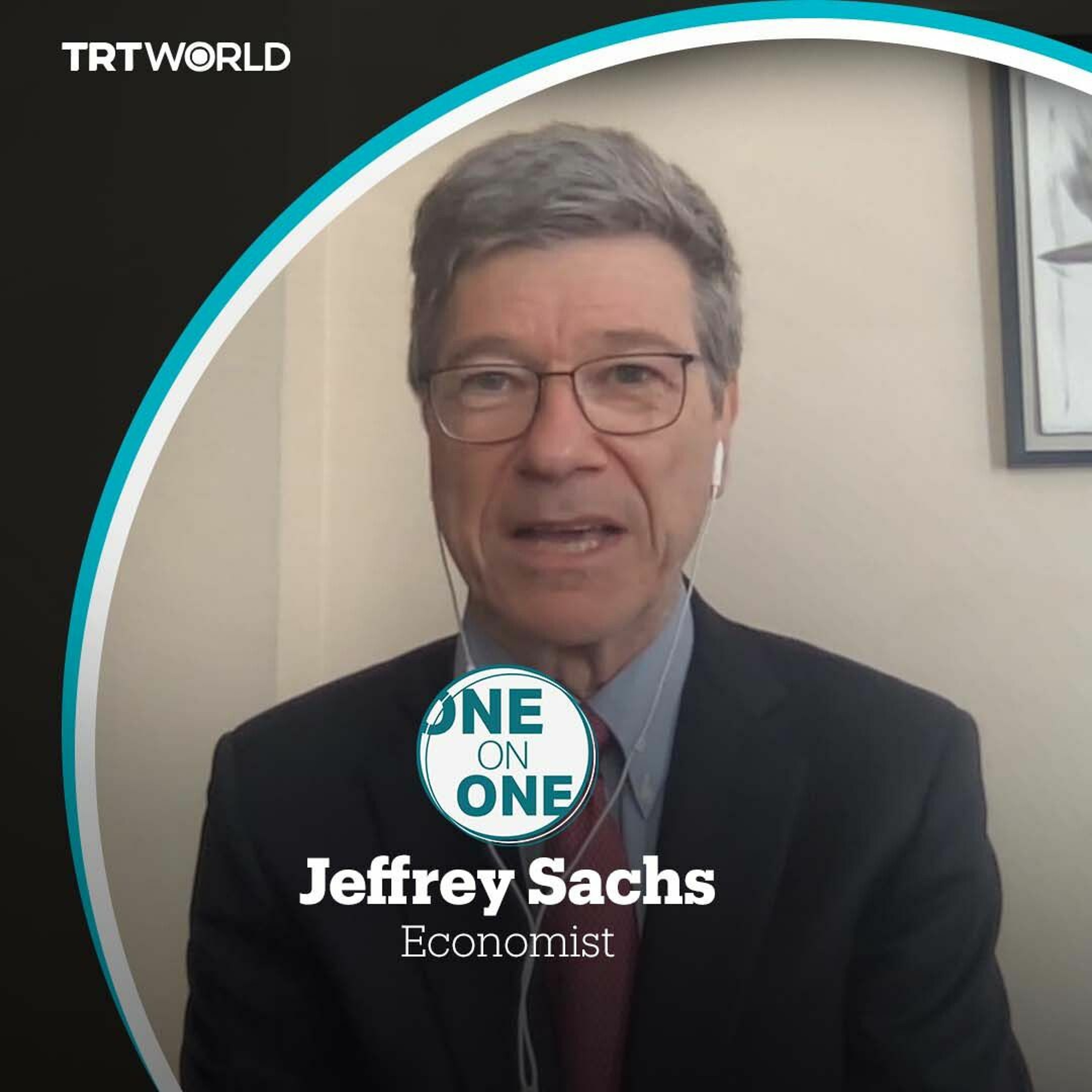
Political and economic ramifications of Ukraine conflict | One on One with Economist Jeffrey Sachs
With each day of the conflict in Ukraine, the human toll and economic burden are rising rapidly. So what is the way out? TRT World sat down with world-renowned #economist and best-selling author, Jeffrey Sachs to talk about the political and economic ramifications of this conflict and what a peace settlement might look like.
#JeffreySachs
The science behind fasting, explained | Scienticious
Avoiding food for long hours during the day can be challenging. But it can also be equally rewarding and rejuvenating for your body. Here’s a look at the science behind fasting.
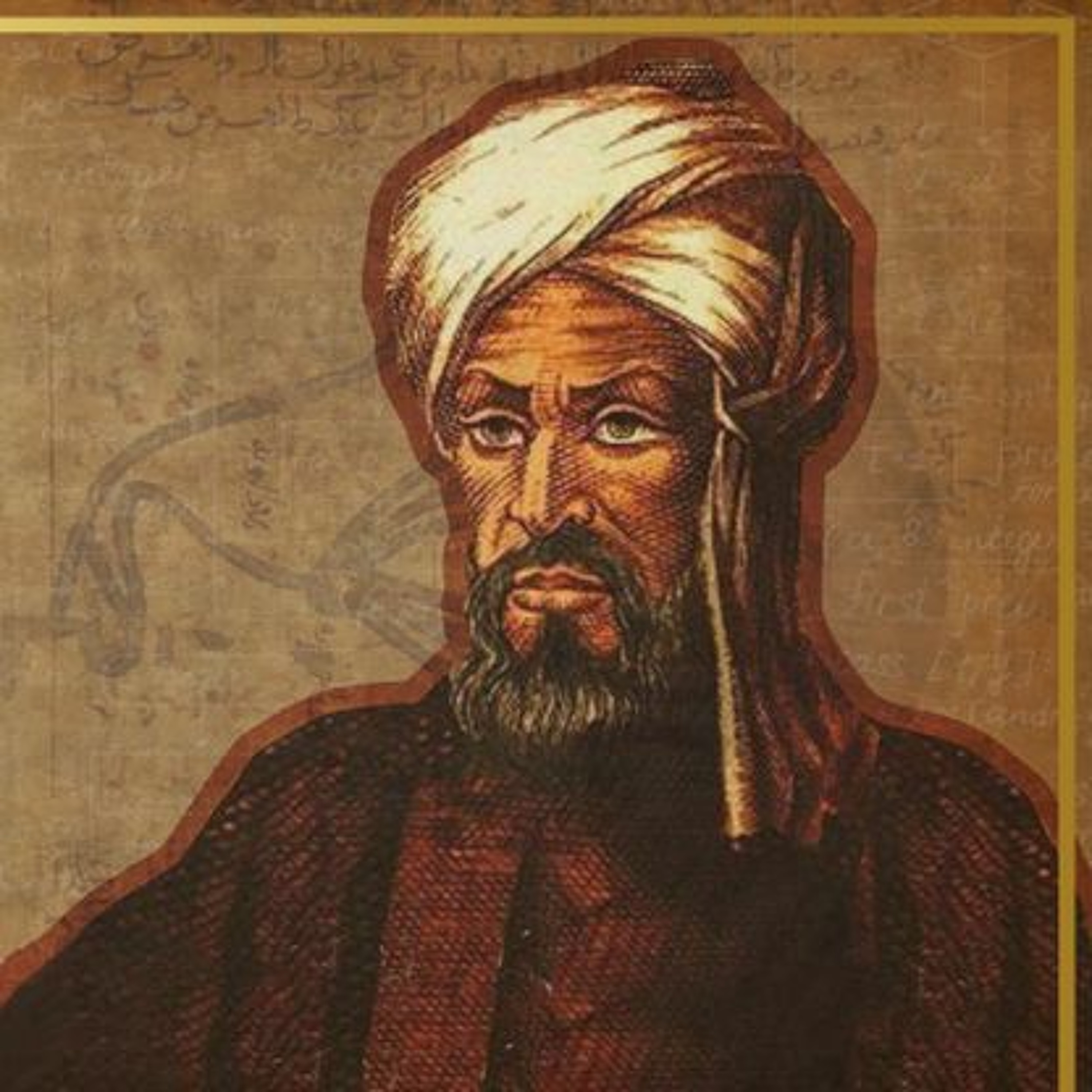
Who is Al Khwarizmi? The Grandfather of Algorithms and Algebra | The House of Wisdom
We live in a new age of algorithms and that’s all thanks to the man who invented them, the Muslim Persian Polymath Al Khwarizmi. In this episode of our series “The House of Wisdom” we break down who he was and his significant contributions to our modern world.
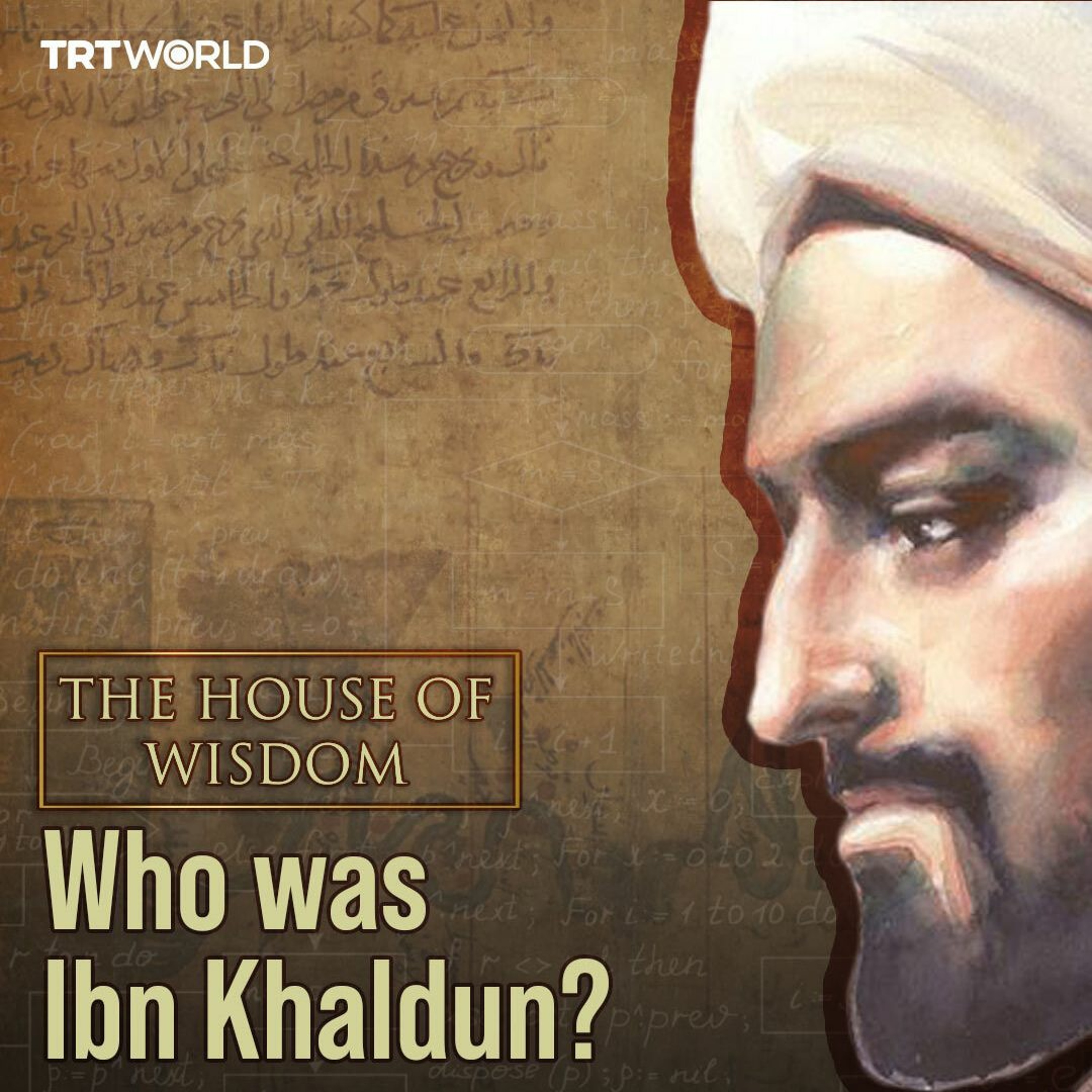
Who is Ibn Khaldun ? | The House of Wisdom
In the world’s most prestigious universities, professors teach us that Karl Marx was the father of sociology, that Herodotus was to thank for historiography, and that Adam Smith was the founder of modern-day economics.
What if we told you that the man who founded and mastered all these disciplines was actually an Arab Muslim Andalusian scholar known as Ibn Khaldun? We narrate the story of how he